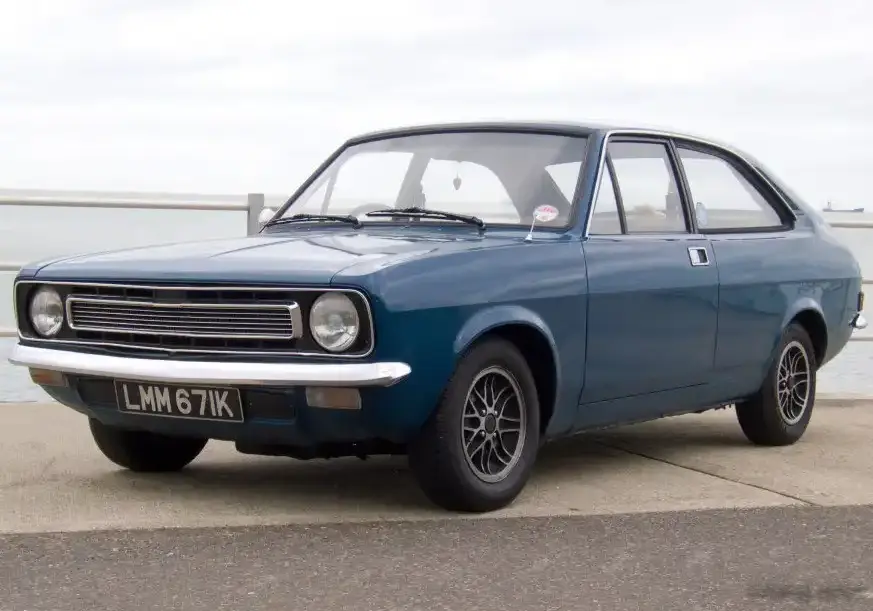
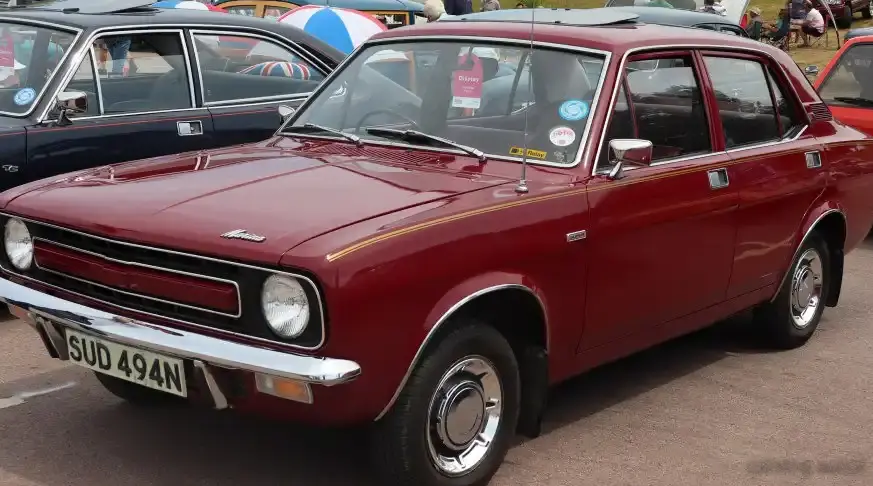
The Morris Marina III Station Wagon 1.3, produced between 1978 and 1980, represented a key variant within the broader Morris Marina range. The Marina, initially launched in 1971 as a replacement for the Morris Minor and the aging Farina models, was British Leyland’s attempt to create a modern, mass-market family car. The III designation denotes the facelifted version of the Marina, introduced in 1978, featuring revised styling and some mechanical updates. The 1.3-liter engine, producing 58 horsepower, positioned this station wagon as the entry-level offering in the Marina lineup, aimed at budget-conscious families seeking practicality and affordability. It was a significant vehicle for British Leyland, intended to compete with rivals like the Ford Cortina and Vauxhall Cavalier, though it often faced criticism for its build quality and driving experience.
Technical Specifications
| Brand | Morris |
| Model | Marina |
| Generation | Marina III Station Wagon |
| Type (Engine) | 1.3 (58 Hp) |
| Start of Production | 1978 |
| End of Production | 1980 |
| Powertrain Architecture | Internal Combustion Engine |
| Body Type | Station Wagon (Estate) |
| Fuel Type | Petrol (Gasoline) |
| Power | 58 Hp |
| Engine Aspiration | Naturally Aspirated |
Powertrain & Engine Architecture
The heart of the Marina III 1.3 Station Wagon was the A-Series engine, a long-running and widely used inline-four cylinder unit. Specifically, it utilized the 1300cc version, designated as the 1300A. This engine was known for its simplicity and relatively easy maintenance, but it wasn’t renowned for its performance. The 58 horsepower output was achieved through a relatively low compression ratio and a basic single Zenith 34WE carburetor. The engine featured a pushrod valvetrain, operating with two valves per cylinder. While not technologically advanced, the A-Series was robust and relatively reliable when properly maintained.
The transmission paired with the 1.3-liter engine was typically a four-speed manual gearbox, though a three-speed automatic transmission (sourced from Borg-Warner) was also available, albeit less common. The automatic transmission was a significant factor in the car’s appeal to buyers prioritizing ease of use over driving engagement. The automatic gearbox, while providing convenience, noticeably impacted the car’s acceleration and fuel economy. The engine’s torque curve was rather flat, meaning that the automatic transmission didn’t have a lot of power to work with, resulting in a somewhat sluggish driving experience.
Driving Characteristics
The driving experience in the Marina III 1.3 Station Wagon was decidedly utilitarian. With only 58 horsepower propelling a relatively heavy station wagon body, acceleration was slow. Overtaking maneuvers required careful planning, and hill climbs often necessitated downshifting. The automatic transmission further diminished performance, with noticeable delays in gear changes. The steering was light but lacked precision, and the suspension, while providing a reasonably comfortable ride on smooth surfaces, could become unsettled on uneven roads. Compared to the more powerful 1.75-liter and 2.0-liter Marina variants, the 1.3 felt significantly underpowered. The manual transmission version offered a slightly more engaging experience, allowing the driver to better utilize the available power, but it still wasn’t a sporty vehicle. The focus was firmly on providing affordable and practical transportation.
Equipment & Trim Levels
The 1.3 Station Wagon occupied the base trim level within the Marina III range. Standard equipment was fairly basic, reflecting its budget-oriented positioning. It typically included vinyl upholstery, a basic instrument panel with minimal gauges, and a two-speed windscreen wiper. Features like a radio, heater, and upgraded interior trim were often optional extras. The exterior trim was also minimal, with black plastic bumpers and relatively simple steel wheels with hubcaps. Higher trim levels, such as the DL and Super, offered more luxurious features like cloth upholstery, woodgrain dashboard trim, and more sophisticated exterior detailing. The 1.3 was often seen as a workhorse vehicle, and owners frequently prioritized practicality over cosmetic enhancements.
Chassis & Braking
The Marina III utilized a relatively conventional chassis design, featuring a separate body-on-frame construction. The front suspension consisted of independent wishbones and coil springs, while the rear suspension employed a live axle with leaf springs. The braking system was typically a combination of disc brakes on the front wheels and drum brakes on the rear. The drum brakes on the rear were a cost-saving measure and contributed to a less balanced braking performance. Steering was provided by a cam and peg system, which was known for its simplicity but lacked the precision of more modern steering technologies. Stabilizer bars were not standard on the base 1.3 model, further contributing to its less-than-sporty handling characteristics.
Market Reception & Comparison
The Morris Marina III 1.3 Station Wagon received mixed reviews from automotive critics. While its affordability and practicality were acknowledged, it was often criticized for its lackluster performance, dated design, and questionable build quality. Compared to its rivals, such as the Ford Cortina and Vauxhall Cavalier, the Marina often fell short in terms of refinement and driving dynamics. However, the 1.3-liter engine offered reasonable fuel economy for the time, making it an attractive option for budget-conscious buyers. The automatic transmission, while detracting from performance, appealed to those seeking a comfortable and easy-to-drive vehicle. The Marina’s relatively low price point was its main selling point, attracting buyers who prioritized affordability over all else.
Legacy
The Morris Marina, and specifically the 1.3 Station Wagon, has a somewhat tarnished reputation today. While the A-Series engine is known for its durability and ease of maintenance, the Marina as a whole suffered from reliability issues stemming from poor build quality and electrical problems. In the used car market, Marina III 1.3 Station Wagons are relatively rare and typically command low prices. They are often sought after by enthusiasts interested in classic British cars or those looking for a simple and affordable project vehicle. The car represents a specific era of British automotive history, a time when affordability and practicality were often prioritized over performance and refinement. Despite its shortcomings, the Marina played a significant role in providing transportation for many families during the 1970s and early 1980s.