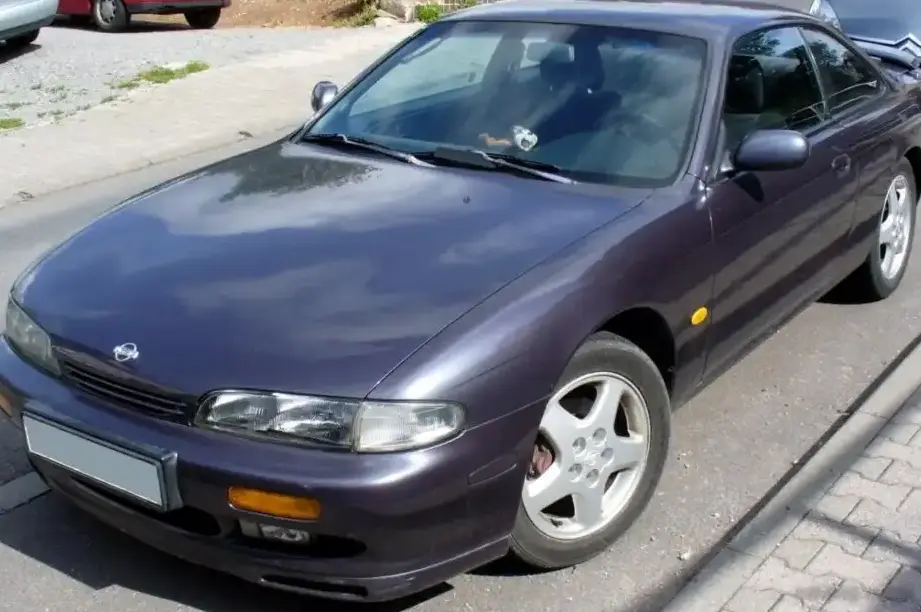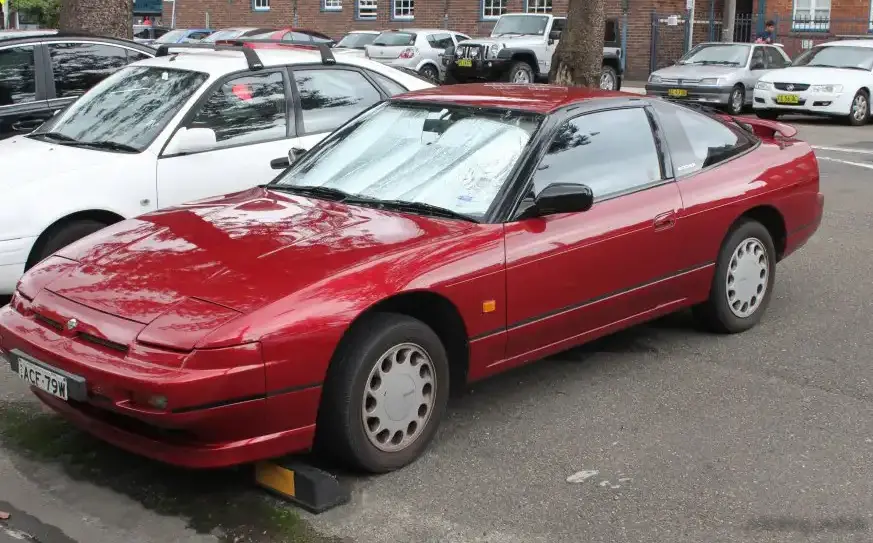
The Nissan 200 SX (S13) 1.8 Turbo, produced between 1988 and 1993, represents a pivotal moment in Nissan’s sports coupe lineage. Part of the S13 chassis generation, this model was primarily aimed at the Japanese domestic market (JDM) and Europe, offering a compelling blend of performance and affordability. While not officially sold in the United States during its initial production run, the 200 SX quickly gained a cult following amongst enthusiasts, largely due to its rear-wheel-drive configuration and tuning potential. The 1.8 Turbo variant occupied a mid-range position within the S13 lineup, offering a significant performance upgrade over the naturally aspirated models while remaining more accessible than the later, more powerful iterations.
Technical Specifications
| Brand | Nissan |
| Model | 200 SX |
| Generation | 200 SX (S13) |
| Type (Engine) | 1.8 Turbo (169 Hp) |
| Start of production | 1988 |
| End of production | 1993 |
| Powertrain Architecture | Internal Combustion engine |
| Body type | Coupe |
| Seats | 4 |
| Doors | 2 |
| Fuel consumption (combined) | 9.1 l/100 km |
| Fuel consumption (US mpg) | 25.8 US mpg |
| Fuel consumption (UK mpg) | 31 UK mpg |
| Fuel consumption (km/l) | 11 km/l |
| Fuel Type | Petrol (Gasoline) |
| Acceleration 0 – 100 km/h | 7.5 sec |
| Acceleration 0 – 62 mph | 7.5 sec |
| Acceleration 0 – 60 mph | 7.1 sec |
| Maximum speed | 220 km/h (136.7 mph) |
| Weight-to-power ratio | 7.2 kg/Hp |
| Weight-to-torque ratio | 5.4 kg/Nm |
| Power | 169 Hp @ 6400 rpm |
| Power per litre | 93.4 Hp/l |
| Torque | 224 Nm @ 4000 rpm (165.21 lb.-ft. @ 4000 rpm) |
| Engine layout | Front, Longitudinal |
| Engine Model/Code | CA18DET |
| Engine displacement | 1809 cm3 (110.39 cu. in.) |
| Number of cylinders | 4 |
| Engine configuration | Inline |
| Cylinder Bore | 83 mm (3.27 in.) |
| Piston Stroke | 83.6 mm (3.29 in.) |
| Compression ratio | 8.5:1 |
| Number of valves per cylinder | 4 |
| Fuel injection system | Multi-port manifold injection |
| Engine aspiration | Turbocharger |
| Valvetrain | DOHC |
| Engine oil capacity | 3.5 l (3.7 US qt | 3.08 UK qt) |
| Coolant capacity | 7 l (7.4 US qt | 6.16 UK qt) |
| Kerb Weight | 1220 kg (2689.64 lbs.) |
| Max. weight | 1675 kg (3692.74 lbs.) |
| Max load | 455 kg (1003.1 lbs.) |
| Trunk (boot) space – minimum | 320 l (11.3 cu. ft.) |
| Fuel tank capacity | 60 l (15.85 US gal | 13.2 UK gal) |
| Length | 4535 mm (178.54 in.) |
| Width | 1690 mm (66.54 in.) |
| Height | 1290 mm (50.79 in.) |
| Wheelbase | 2475 mm (97.44 in.) |
| Front track | 1465 mm (57.68 in.) |
| Rear (Back) track | 1465 mm (57.68 in.) |
| Drivetrain Architecture | Rear wheel drive |
| Number of gears | 5 gears, manual transmission |
| Front suspension | Wishbone |
| Rear suspension | Spring Strut |
| Front brakes | Ventilated discs |
| Rear brakes | Disc |
| Assisting systems | ABS (Anti-lock braking system) |
| Steering type | Steering rack and pinion |
| Power steering | Hydraulic Steering |
| Tires size | 195/60 R15 |
Introduction
The Nissan 200 SX S13, particularly the 1.8 Turbo variant, carved a niche for itself as an accessible and engaging sports coupe. Introduced in 1988 and continuing through 1993, it was built on Nissan’s S13 platform, which also underpinned the 240 SX in North America (though with different engine options). The S13 was designed to replace the aging Nissan Gazelle and offered a more modern and dynamic driving experience. The 1.8 Turbo model represented a sweet spot in the range, providing a noticeable performance boost over the naturally aspirated versions without the higher price tag of the later, more potent models. Its rear-wheel-drive layout, a rarity in its class at the time, quickly endeared it to driving enthusiasts.
Powertrain & Engine Architecture
The heart of the 200 SX 1.8 Turbo is the CA18DET engine, an 1.8-liter inline-four cylinder powerplant. This engine features a single overhead camshaft (SOHC) head, although often mistakenly referred to as DOHC, and is equipped with a Garrett CT20 turbocharger. The CA18DET utilizes multi-port fuel injection, delivering precise fuel metering for optimal performance and efficiency. The engine’s 8.5:1 compression ratio was a compromise between performance and reliability, allowing it to run on readily available gasoline grades. The five-speed manual transmission was the standard offering, providing a direct and engaging driving experience. The transmission featured relatively short gear ratios, optimized for acceleration and responsiveness. The turbocharger provides a noticeable boost in power, but it’s not overwhelming, making the car relatively easy to control.
Driving Characteristics
The 200 SX 1.8 Turbo delivers a surprisingly capable driving experience. While 169 horsepower might not sound like much by modern standards, the car’s relatively light weight (around 2690 lbs) and rear-wheel-drive configuration contribute to a lively and engaging feel. Acceleration from 0-60 mph takes approximately 7.1 seconds, which was competitive for its time. The turbocharger provides a noticeable surge of power in the mid-range, making overtaking maneuvers relatively effortless. The rear-wheel-drive setup allows for a degree of oversteer, making it a fun car to drive on winding roads, though it requires a degree of driver skill to manage. The suspension is tuned for a balance between comfort and handling, providing a reasonably compliant ride without sacrificing too much cornering ability.
Equipment & Trim Levels
The 1.8 Turbo variant of the 200 SX typically came equipped with a reasonable level of standard features. Interior appointments included cloth upholstery, power windows, and a basic stereo system. Air conditioning was often standard, though its presence could vary depending on the specific market. Optional extras included a sunroof, upgraded stereo systems, and alloy wheels. The dashboard layout was functional and straightforward, prioritizing usability over aesthetics. The interior space, while adequate for a coupe, is not particularly generous, especially in the rear seats.
Chassis & Braking
The S13 chassis is renowned for its inherent balance and responsiveness. The front suspension utilizes a MacPherson strut setup, while the rear employs a multi-link suspension. This configuration provides a good balance between ride comfort and handling precision. Braking duties are handled by ventilated discs at the front and solid discs at the rear. Anti-lock braking system (ABS) was available as an option, enhancing safety and control, particularly in adverse weather conditions. The steering is rack-and-pinion, providing precise and responsive steering feel.
Market Reception & Comparison
The 200 SX 1.8 Turbo was generally well-received by automotive critics. It was praised for its engaging driving dynamics, responsive engine, and relatively affordable price point. Compared to the naturally aspirated 200 SX models, the 1.8 Turbo offered a significant performance upgrade. It also provided a more accessible entry point into the world of turbocharged performance than some of its more expensive rivals. However, some critics noted that the interior was somewhat basic and lacked the refinement of some competitors. Fuel economy was reasonable for a performance coupe of its era, averaging around 25.8 US mpg.
Legacy
The Nissan 200 SX S13 1.8 Turbo has become a highly sought-after vehicle in the used car market, particularly among enthusiasts. Its robust engine, rear-wheel-drive layout, and tuning potential have made it a popular choice for modification and drifting. The CA18DET engine, while not without its quirks, is generally considered to be a reliable unit when properly maintained. However, age and mileage can take their toll, and finding well-maintained examples is becoming increasingly difficult. Parts availability is generally good, though some specific components may be becoming scarce. Today, the 200 SX S13 1.8 Turbo stands as a testament to Nissan’s commitment to building engaging and affordable sports coupes, and it continues to hold a special place in the hearts of driving enthusiasts worldwide.