
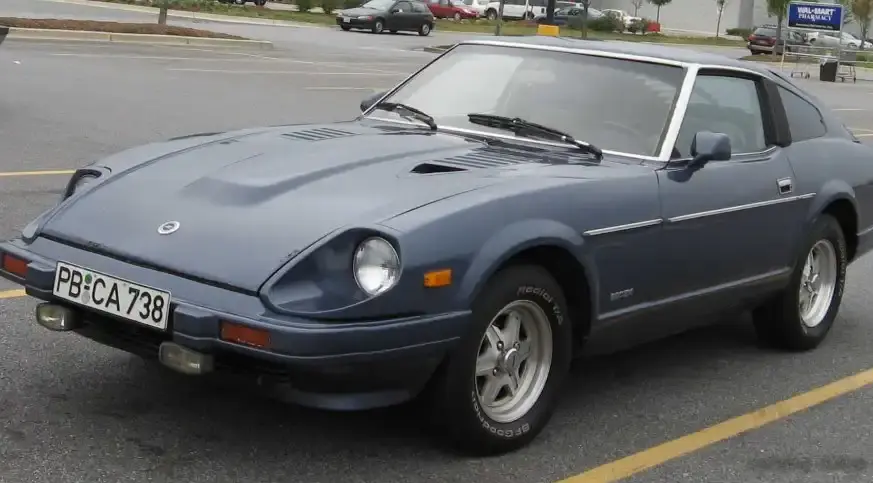
The Nissan 280ZX (HGS130), specifically the 2.7-liter (140 hp) variant, represents a significant evolution in Nissan’s Z-car lineage. Produced from 1978 through 1983, it marked a shift towards a more luxurious and refined grand tourer compared to its predecessors, the 240Z and 260Z. This iteration of the S130 chassis, while offering a more accessible entry point into the Z-car world, differed substantially from the higher-performance turbocharged and six-cylinder models in terms of both driving experience and target demographic. It was positioned as the entry-level model, appealing to buyers seeking a stylish and comfortable coupe rather than outright performance.
Technical Specifications
| Brand | Nissan |
| Model | 280ZX / ZXT |
| Generation | 280ZX / ZXT (HGS130) |
| Engine Type | 2.7L Inline-Six |
| Power Output | 140 hp |
| Engine Aspiration | Naturally Aspirated |
| Start of Production | 1978 |
| End of Production | 1983 |
| Powertrain Architecture | Internal Combustion Engine |
| Body Type | Coupe |
| Number of Seats | 2 |
| Number of Doors | 3 |
| Fuel Type | Petrol (Gasoline) |
| Drivetrain | Front Wheel Drive |
Introduction
The Nissan 280ZX, introduced in early 1978 as a replacement for the 260Z, represented a considerable departure in design and engineering philosophy. The HGS130 chassis, while retaining the basic front-engine, rear-wheel-drive layout of previous Z cars, incorporated a more modern and comfortable interior, along with updated styling cues. The 2.7-liter inline-six engine version, producing 140 horsepower, was introduced to broaden the Z-car’s appeal and offer a more fuel-efficient and affordable option. This model occupied the base trim level, serving as the gateway to the Z-car experience for many buyers. It was a direct response to increasing fuel costs and a growing demand for more comfortable and practical sports coupes.
Powertrain & Engine Architecture
The 2.7-liter (2664 cc) inline-six engine, designated the L27E, was a naturally aspirated, single overhead camshaft (SOHC) design. It featured a cast iron block and an aluminum cylinder head. Fuel delivery was managed by a Hitachi electronic fuel injection (EFI) system, a significant upgrade from the carburetors used in earlier Z models. This EFI system contributed to improved fuel efficiency and reduced emissions. The engine produced 140 horsepower at 5,200 rpm and 156 lb-ft of torque at 3,600 rpm. The engine’s valvetrain utilized pushrods to actuate the valves, a relatively simple and robust design. The 2.7L engine was paired with a three-speed automatic transmission, offering smooth and convenient shifting. This transmission was chosen for its ease of use and suitability for the target market of comfort-oriented buyers. While a five-speed manual transmission was available on other 280ZX models, it was not offered with the 2.7-liter engine.
Driving Characteristics
The 280ZX 2.7 automatic offered a distinctly different driving experience compared to the more powerful 280ZX Turbo or the six-cylinder manual variants. Acceleration was adequate for everyday driving, but it lacked the punch and responsiveness of its siblings. The three-speed automatic transmission, while smooth, resulted in wider gear ratios and a less engaging driving experience. The focus was clearly on comfortable cruising rather than spirited performance. The power delivery was relatively linear, with peak torque arriving at a moderate engine speed. This made it easy to drive in traffic and on the highway. Compared to the manual transmission models, the automatic version felt noticeably slower, particularly during overtaking maneuvers. However, the automatic transmission appealed to buyers who prioritized convenience and ease of use over outright performance.
Equipment & Trim Levels
The base 280ZX 2.7 automatic typically came equipped with a relatively modest level of standard features. These included cloth upholstery, a basic AM/FM radio, and manual windows and locks. Air conditioning was often an optional extra, as were power windows and locks. The interior design was functional and straightforward, with a focus on ergonomics and ease of use. Optional extras included a sunroof, cruise control, and upgraded sound systems. The dashboard layout was relatively simple, with clearly labeled controls. The exterior styling was similar to other 280ZX models, but the base trim typically lacked features such as alloy wheels and body-colored trim.
Chassis & Braking
The 280ZX chassis featured independent front suspension with MacPherson struts and a live rear axle with coil springs. The suspension was tuned for comfort rather than handling precision. The base 2.7-liter model typically featured drum brakes on the rear wheels and disc brakes on the front. This configuration was adequate for the car’s performance capabilities, but it lacked the stopping power of the four-wheel disc brake systems found on higher-performance models. Stabilizer bars were fitted to both the front and rear suspension, helping to reduce body roll during cornering. The steering was power-assisted, making it easy to maneuver at low speeds.
Market Reception & Comparison
The 280ZX 2.7 automatic received mixed reviews from automotive critics. While praised for its comfortable ride and stylish design, it was often criticized for its lack of performance. Compared to the turbocharged and six-cylinder models, the 2.7-liter version was seen as underpowered and less engaging to drive. However, it offered a more affordable entry point into the Z-car market and appealed to buyers who prioritized comfort and fuel efficiency. Fuel economy was a strong point, averaging around 20-22 mpg in combined driving. Reliability was generally good, although the automatic transmission could be prone to issues if not properly maintained. Compared to contemporary sports coupes from other manufacturers, such as the Ford Mustang and Chevrolet Camaro, the 280ZX offered a more refined and sophisticated driving experience.
Legacy
The 280ZX 2.7 automatic, while not the most sought-after variant of the S130 Z-car, holds a unique place in the model’s history. It represents a transitional period for the Z-car, moving away from its pure sports car roots towards a more luxurious and grand touring orientation. Today, these models are relatively affordable and can be found in reasonable condition. The L27E engine is known for its durability and relatively simple maintenance requirements. However, finding parts can sometimes be challenging, as production ceased over four decades ago. The 280ZX 2.7 automatic remains a popular choice for enthusiasts seeking a classic Japanese coupe that offers a comfortable and stylish driving experience, even if it doesn’t deliver the same level of performance as its more powerful siblings. Its enduring appeal lies in its blend of affordability, reliability, and classic Z-car styling.
