
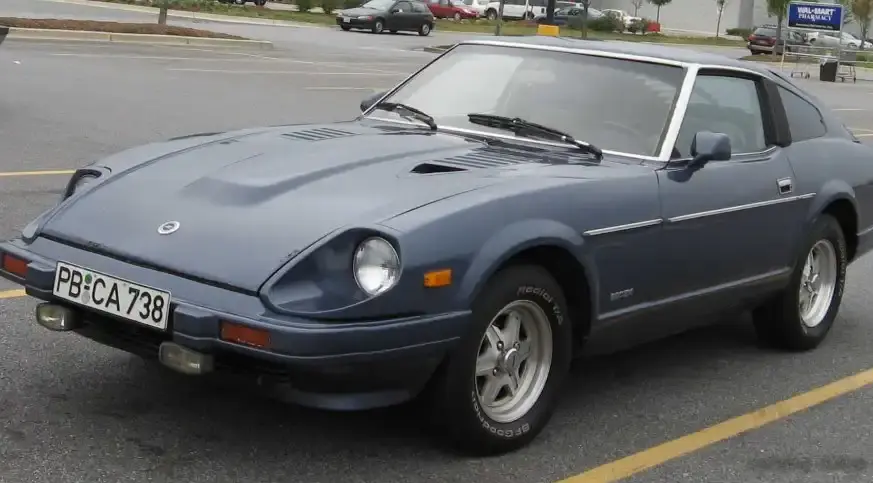
The Nissan 280ZX (HGS130), specifically the 2.7-liter variant producing 147 horsepower, represented a significant shift for Nissan’s Z-car lineage. Produced from 1980 through 1982, this iteration of the S130 chassis marked the introduction of front-wheel drive to the Z-car family, a departure from the rear-wheel drive heritage of its predecessors. While the 280ZX continued the styling cues of the earlier 240Z and 260Z, it aimed to broaden the Z-car’s appeal with a more comfortable ride and improved fuel efficiency, albeit at the cost of some sporting character. This particular 2.7-liter engine and front-wheel drive configuration served as the entry point into the 280ZX range, positioned below the more powerful and traditionally driven six-cylinder models.
Technical Specifications
| Brand | Nissan |
| Model | 280ZX, ZXT |
| Generation | 280ZX, ZXT (HGS130) |
| Engine Type | 2.7L Inline-Six |
| Start of Production | 1980 |
| End of Production | 1982 |
| Powertrain Architecture | Internal Combustion Engine |
| Body Type | Coupe |
| Seats | 2 |
| Doors | 3 |
| Fuel Type | Petrol (Gasoline) |
| Power | 147 hp |
| Engine Aspiration | Naturally Aspirated |
| Drivetrain | Front-Wheel Drive |
Powertrain & Engine Architecture
The 2.7-liter (2664 cc) inline-six engine, designated the L27E, was the core of this 280ZX variant. Unlike the larger 2.8-liter engines found in other 280ZX models, the L27E featured a slightly smaller bore and stroke. It utilized a single overhead camshaft (SOHC) design with two valves per cylinder. Fuel delivery was managed by a Hitachi electronic fuel injection (EFI) system, a relatively advanced feature for the time, contributing to improved fuel economy and reduced emissions compared to carbureted engines. The engine produced 147 horsepower at 5200 rpm and 164 lb-ft of torque at 4400 rpm. This engine was paired exclusively with a three-speed automatic transmission, a key characteristic of this entry-level trim. The transmission was designed for smooth operation and ease of use, prioritizing comfort over outright performance.
Driving Characteristics
The 280ZX 2.7 automatic offered a distinctly different driving experience compared to the rear-wheel drive, manual transmission versions. The front-wheel drive configuration resulted in noticeable understeer, particularly when pushed hard through corners. The three-speed automatic transmission, while providing smooth shifts, lacked the responsiveness and control of a manual gearbox. Acceleration was adequate for everyday driving, with a 0-60 mph time estimated around 11-12 seconds. The gear ratios were optimized for fuel efficiency and cruising comfort rather than spirited performance. Compared to the 280ZX models equipped with the 2.8-liter engine and manual transmission, the 2.7 automatic felt considerably less powerful and engaging. However, it provided a more relaxed and user-friendly driving experience, appealing to buyers who prioritized comfort and convenience.
Equipment & Trim Levels
The 2.7-liter 280ZX typically represented the base trim level. Standard features included cloth upholstery, a basic AM/FM radio, and manual windows and locks. Air conditioning was often an optional extra, as were power windows and locks. The interior design was functional and straightforward, reflecting the car’s entry-level positioning. The dashboard featured a simple instrument cluster with a speedometer, tachometer, and fuel gauge. While not lavishly equipped, the 2.7-liter 280ZX offered a comfortable and practical interior for its time. Optional extras could include cruise control, a sunroof, and upgraded sound systems, allowing buyers to customize their vehicle to some extent.
Chassis & Braking
The 280ZX 2.7 utilized a MacPherson strut front suspension and a semi-trailing arm rear suspension. The suspension was tuned for a comfortable ride, prioritizing smoothness over sharp handling. The front-wheel drive configuration necessitated a different suspension setup compared to the rear-wheel drive models. Braking duties were handled by power-assisted disc brakes in the front and drum brakes in the rear. The drum brakes on the rear were a cost-saving measure for the base trim level. Stabilizer bars were included, but were typically thinner than those found on the higher-spec 280ZX models. The chassis was relatively lightweight, helping to offset the power deficit of the 2.7-liter engine.
Market Reception & Comparison
The 280ZX 2.7 automatic received mixed reviews from automotive critics. While praised for its fuel efficiency and comfortable ride, it was often criticized for its lack of performance and handling compared to the rear-wheel drive models. Some reviewers lamented the loss of the Z-car’s traditional sporting character. However, the 2.7-liter variant appealed to a broader audience, attracting buyers who were not necessarily interested in a high-performance sports car. Fuel economy was a key selling point, with the 2.7-liter engine achieving around 20-25 mpg in combined driving. Compared to the 280ZX models with the 2.8-liter engine, the 2.7 automatic offered lower running costs but significantly less performance. It also tended to be more reliable due to the simpler engine design and lower stress levels.
Legacy
The 280ZX 2.7 automatic, while not the most celebrated version of the Z-car, holds a unique place in Nissan’s history. It represented a bold attempt to broaden the Z-car’s appeal and adapt to changing market demands. Today, these models are relatively affordable and can be found in reasonable condition. The L27E engine is known for its durability and reliability, although age and maintenance history are crucial factors to consider. Parts availability is generally good, although some specific components may be difficult to source. The 280ZX 2.7 automatic remains a viable option for enthusiasts seeking a classic Japanese coupe with a comfortable ride and reasonable running costs. It serves as a reminder of a transitional period in the Z-car’s evolution, bridging the gap between the traditional sports car and the more modern grand tourer.
