
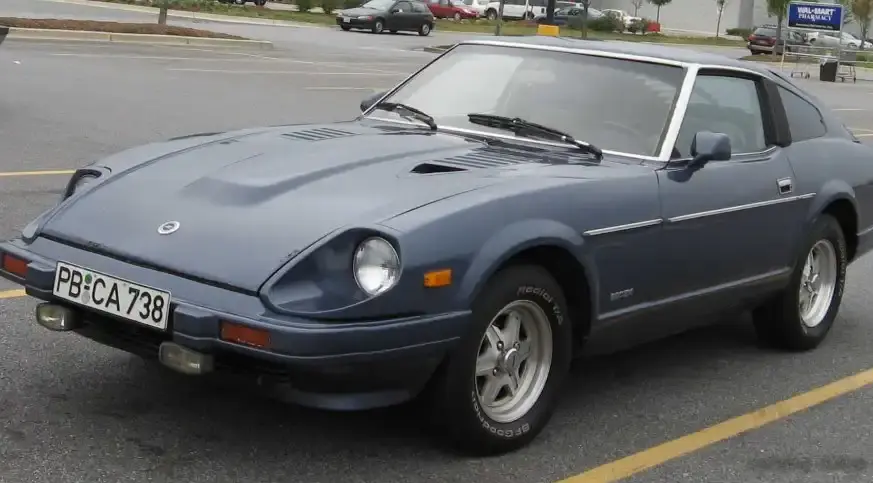
The Nissan 280ZX (HGS130), specifically the 2.7-liter variant producing 150 horsepower, represented a significant shift for Nissan’s Z-car lineage. Produced from 1982 through 1984, this iteration marked the transition from the sporty, lightweight ethos of the earlier 240Z and 260Z to a more luxurious and technologically advanced grand tourer. While the earlier Z cars were celebrated for their simplicity and driver engagement, the 280ZX aimed for a broader appeal, incorporating more comfort features and modern conveniences. The 2.7-liter engine and front-wheel drive configuration were relatively uncommon for the Z platform, making this variant a unique, if sometimes overlooked, chapter in the Z car story.
Technical Specifications
| Brand | Nissan |
| Model | 280ZX |
| Generation | HGS130 |
| Engine Type | 2.7L Inline-Six |
| Horsepower | 150 hp |
| Production Years | 1982-1984 |
| Powertrain | Internal Combustion Engine |
| Body Type | Coupe |
| Seats | 2 |
| Doors | 3 |
| Fuel Type | Petrol (Gasoline) |
| Engine Aspiration | Naturally Aspirated |
| Drivetrain | Front-Wheel Drive |
Introduction
The Nissan 280ZX, introduced in 1978, was the second generation of the Z-car series. The HGS130 chassis, produced from 1982-1984, featured a 2.7-liter L27E inline-six engine paired with a three-speed automatic transmission and, notably, front-wheel drive. This configuration was a departure from the rear-wheel drive layout that had defined the Z-car up to that point. The 2.7-liter model was positioned as the entry-level offering in the 280ZX lineup, below the more powerful 2.8-liter variants. It aimed to provide a more affordable and fuel-efficient option for buyers seeking the Z-car style and image without the higher price tag and performance of the flagship models.
Powertrain & Engine Architecture
The L27E engine is a 2.7-liter (2664 cc) inline-six cylinder engine. It utilizes a single overhead camshaft (SOHC) design with two valves per cylinder. Fuel delivery is managed by a Nissan Electronic Fuel Injection (EFI) system, which, while advanced for its time, was less sophisticated than the multi-port fuel injection found in the 2.8-liter models. The engine produces 150 horsepower at 5200 rpm and 165 lb-ft of torque at 3200 rpm. The three-speed automatic transmission was a key component of this variant, designed to provide smooth and comfortable shifting. The front-wheel drive layout necessitated a significant redesign of the drivetrain, impacting the car’s handling characteristics compared to its rear-wheel drive predecessors. The engine block is cast iron, while the cylinder head is aluminum, contributing to a relatively durable and reliable powertrain.
Driving Characteristics
The 280ZX 2.7L automatic offered a distinctly different driving experience compared to the more performance-oriented 2.8-liter models, particularly those equipped with a manual transmission. The front-wheel drive configuration resulted in noticeable understeer, especially when pushed hard through corners. The three-speed automatic transmission, while providing smooth shifts, lacked the responsiveness and control of a manual gearbox. Acceleration was adequate for everyday driving, but the 150 horsepower engine and automatic transmission didn’t deliver the exhilarating performance that the earlier Z cars were known for. The gear ratios were optimized for fuel efficiency and cruising comfort rather than outright speed. The power delivery was relatively linear, with a usable amount of torque available from low engine speeds, making it a comfortable car for city driving and highway cruising.
Equipment & Trim Levels
The 2.7-liter 280ZX typically came with a fairly basic level of equipment, reflecting its position as the entry-level model. Standard features generally included cloth upholstery, air conditioning, an AM/FM stereo, and power steering. Optional extras included cruise control, power windows and locks, a sunroof, and upgraded sound systems. The interior design was functional and relatively simple, with a focus on comfort and ease of use. The dashboard layout was straightforward, with clearly labeled controls. The exterior styling was consistent with other 280ZX models, featuring the distinctive long hood and sloping rear deck. However, the 2.7-liter models often lacked some of the cosmetic enhancements found on the higher-end trims, such as alloy wheels and body-colored trim.
Chassis & Braking
The 280ZX 2.7L utilized a MacPherson strut front suspension and a semi-trailing arm rear suspension. The suspension was tuned for comfort rather than sporty handling, resulting in a relatively soft ride. The front brakes were ventilated discs, while the rear brakes were drums. This configuration was typical for cars of this era and weight class. Stabilizer bars were included on both the front and rear axles, helping to reduce body roll during cornering. The steering was power-assisted, making it easy to maneuver at low speeds. The chassis was a unibody construction, providing a good balance of strength and rigidity. The front-wheel drive layout necessitated a redesigned suspension geometry to accommodate the driven front wheels.
Market Reception & Comparison
The 280ZX 2.7L automatic received mixed reviews from automotive critics. While it was praised for its comfortable ride and fuel efficiency, it was often criticized for its lack of performance and handling compared to the 2.8-liter models and the earlier Z cars. Some reviewers felt that the front-wheel drive configuration detracted from the Z-car’s sporty image. Compared to the 2.8-liter models, the 2.7-liter offered slightly better fuel economy, but at the expense of performance. The 2.8-liter models, particularly those with a manual transmission, were generally considered to be more engaging and enjoyable to drive. The 2.7-liter model appealed to buyers who prioritized comfort and fuel efficiency over performance, and it offered a more affordable entry point into the Z-car ownership experience.
Legacy
The 280ZX 2.7L automatic, while not the most celebrated variant of the Z-car lineage, holds a unique place in the model’s history. Its front-wheel drive configuration and relatively simple powertrain make it a distinctive and somewhat rare example of the second-generation Z. Today, these cars are becoming increasingly collectible, particularly among enthusiasts who appreciate their unique character. The L27E engine is known for its durability and reliability, and well-maintained examples can still provide years of trouble-free service. However, finding parts for these cars can be challenging, as some components are no longer readily available. The 280ZX 2.7L represents a transitional period for the Z-car, bridging the gap between the sporty, lightweight originals and the more luxurious and technologically advanced models that followed. It remains a testament to Nissan’s willingness to experiment and adapt to changing market demands.
