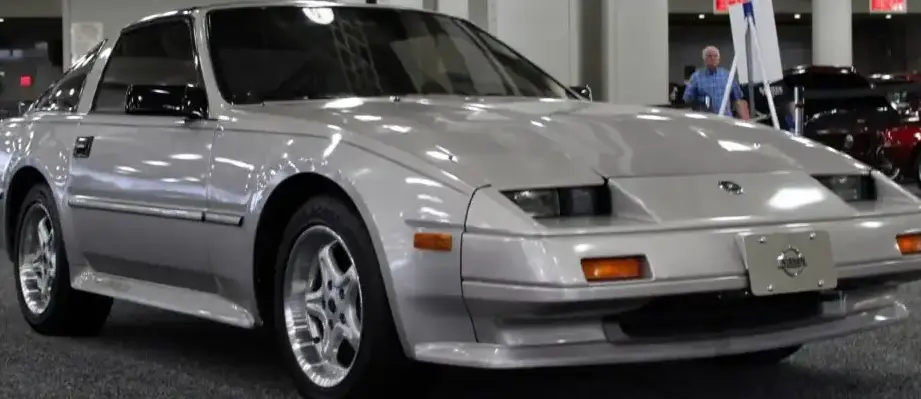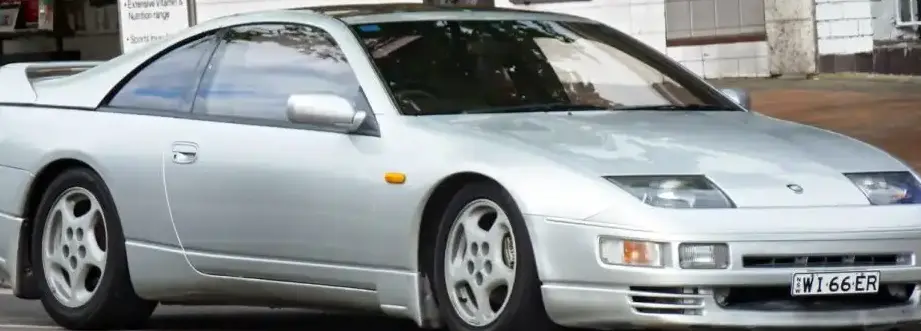
The Nissan 300ZX (Z32) 3.0 Twin Turbo Automatic, produced from 1990 to 1995, represents the pinnacle of Nissan’s sports car engineering during that era. As the successor to the popular Z31, the Z32 aimed to compete with established rivals like the Porsche 944 and Mazda RX-7. This particular variant, equipped with the VG30DETT engine and a four-speed automatic transmission, occupied a unique position in the 300ZX lineup, offering a blend of performance and convenience aimed at buyers who desired the twin-turbo power but preferred the ease of an automatic gearbox. It was positioned as a more luxurious and accessible option compared to the six-speed manual versions, appealing to a broader customer base.
Technical Specifications
| Brand | Nissan |
| Model | 300 ZX |
| Generation | 300 ZX (Z32) |
| Type (Engine) | 3.0 Twin Turbo (268 Hp) Automatic |
| Start of production | 1990 |
| End of production | 1995 |
| Powertrain Architecture | Internal Combustion engine |
| Body type | Coupe |
| Seats | 4 |
| Doors | 2 |
| Fuel consumption (urban) | 15 l/100 km (15.7 US mpg, 18.8 UK mpg, 6.7 km/l) |
| Fuel consumption (extra urban) | 9 l/100 km (26.1 US mpg, 31.4 UK mpg, 11.1 km/l) |
| Fuel Type | Petrol (Gasoline) |
| Acceleration 0 – 100 km/h | 7.2 sec |
| Acceleration 0 – 62 mph | 7.2 sec |
| Acceleration 0 – 60 mph | 6.8 sec |
| Maximum speed | 280 km/h (173.98 mph) |
| Weight-to-power ratio | 6.1 kg/Hp (164 Hp/tonne) |
| Power | 268 Hp @ 7000-9000 rpm |
| Power per litre | 89.4 Hp/l |
| Engine layout | Middle, Longitudinal |
| Engine Model/Code | VG30DETT |
| Engine displacement | 2998 cm3 (182.95 cu. in.) |
| Number of cylinders | 6 |
| Engine configuration | V-engine |
| Number of valves per cylinder | 4 |
| Fuel injection system | Multi-port manifold injection |
| Engine aspiration | Twin-Turbo, Intercooler |
| Valvetrain | DOHC |
| Engine oil capacity | 3.4 l (3.59 US qt, 2.99 UK qt) |
| Coolant capacity | 9 l (9.51 US qt, 7.92 UK qt) |
| Kerb Weight | 1634 kg (3602.35 lbs) |
| Max. weight | 2000 kg (4409.25 lbs) |
| Max load | 366 kg (806.89 lbs) |
| Trunk (boot) space – minimum | 300 l (10.59 cu. ft.) |
| Trunk (boot) space – maximum | 400 l (14.13 cu. ft.) |
| Fuel tank capacity | 65 l (17.17 US gal, 14.3 UK gal) |
| Length | 4520 mm (177.95 in) |
| Width | 1800 mm (70.87 in) |
| Height | 1255 mm (49.41 in) |
| Wheelbase | 2570 mm (101.18 in) |
| Front track | 1495 mm (58.86 in) |
| Rear track | 1555 mm (61.22 in) |
| Minimum turning circle | 12 m (39.37 ft) |
| Drivetrain Architecture | Rear wheel drive |
| Number of gears | 4 |
| Gearbox type | Automatic transmission |
| Front suspension | Independent torsion bar, double wishbone |
| Rear suspension | Independent multi-link spring suspension with stabilizer |
| Front brakes | Ventilated discs |
| Rear brakes | Ventilated discs |
| Steering type | Steering rack and pinion |
| Power steering | Hydraulic |
| Tires size | 205/55 R16 |
| Wheel rims size | 16 |
Introduction
The Nissan 300ZX, specifically the Z32 chassis produced between 1990 and 1995, marked a significant departure for Nissan’s Z-car lineage. It embraced a more sophisticated and technologically advanced approach compared to its predecessors. The 3.0 Twin Turbo Automatic variant was a key component of the Z32 range, offering a compelling package for drivers who appreciated the potent performance of the twin-turbocharged V6 engine but preferred the convenience of an automatic transmission. Built on the FG platform, the Z32 represented a substantial investment by Nissan, featuring a fully independent suspension and advanced features for its time.
Powertrain & Engine Architecture
At the heart of the 300ZX Twin Turbo Automatic lies the VG30DETT engine, a 3.0-liter V6. This engine is characterized by its robust construction and sophisticated twin-turbocharger system. Each turbocharger serves three cylinders, minimizing turbo lag and providing a broad powerband. The engine utilizes multi-port fuel injection and a double overhead camshaft (DOHC) valvetrain, contributing to its high specific output. The automatic transmission is a four-speed unit, designed to handle the engine’s substantial torque. While not as sporty as the available five-speed manual, it offered smoother shifts and ease of use, particularly in urban driving conditions. The transmission’s gear ratios were tuned to provide a balance between acceleration and fuel efficiency, though the latter remained relatively modest given the engine’s performance capabilities.
Driving Characteristics
The 300ZX 3.0 Twin Turbo Automatic delivered a distinct driving experience. While the automatic transmission slightly dulled the raw responsiveness of the manual version, it still provided brisk acceleration. The 0-60 mph time of around 6.8 seconds was respectable for the early 1990s. The automatic transmission’s shift points were programmed for a balance of performance and comfort, resulting in a smooth, if not overly aggressive, driving style. Compared to the manual transmission, the automatic version felt more relaxed on long highway journeys. However, drivers seeking maximum control and engagement often preferred the manual gearbox. The twin-turbo system provided a noticeable surge of power as boost built, offering a thrilling experience when accelerating.
Equipment & Trim Levels
The 3.0 Twin Turbo Automatic typically came well-equipped, reflecting its position as a premium sports car. Standard features included leather upholstery, power windows and locks, air conditioning, and a premium sound system. Optional extras included a Bose audio system, heated seats, and a sunroof. The interior design was driver-focused, with analog gauges providing clear and concise information. The dashboard layout was clean and functional, with controls logically arranged. The automatic transmission selector featured a hold function, allowing drivers to prevent upshifts during spirited driving.
Chassis & Braking
The Z32 chassis featured a fully independent suspension system, utilizing torsion bars at the front and a multi-link setup at the rear. This suspension design provided excellent handling and ride comfort. Stabilizer bars were fitted front and rear to reduce body roll during cornering. The braking system consisted of ventilated discs on all four wheels, providing ample stopping power. The hydraulic power steering offered precise and responsive steering feel. The car’s relatively low weight (around 3600 lbs) contributed to its agile handling characteristics.
Market Reception & Comparison
The 300ZX 3.0 Twin Turbo Automatic received generally positive reviews from automotive critics. It was praised for its powerful engine, sophisticated technology, and comfortable interior. However, some critics noted that the automatic transmission detracted slightly from the car’s overall sporting character. Compared to the manual transmission version, the automatic offered slightly lower fuel economy and marginally slower acceleration. Against competitors like the Porsche 944 Turbo and Mazda RX-7 Turbo, the 300ZX offered a compelling combination of performance, features, and value. Reliability was generally good, although the complex twin-turbo system required regular maintenance.
Legacy
The Nissan 300ZX Z32, including the 3.0 Twin Turbo Automatic variant, has become a highly sought-after classic car. The VG30DETT engine is known for its durability and potential for modification. Well-maintained examples command premium prices in the used car market. While the twin-turbo system requires diligent maintenance, the engine is generally considered robust. The Z32 represents a high point in Nissan’s sports car history, and the 3.0 Twin Turbo Automatic remains a desirable and capable machine for enthusiasts today. Its blend of performance, technology, and comfort continues to appeal to collectors and drivers alike.