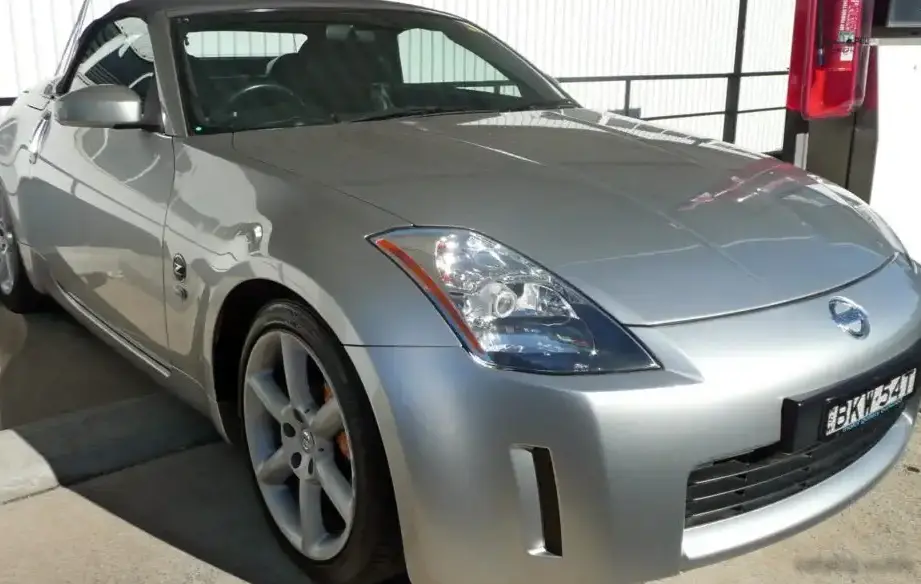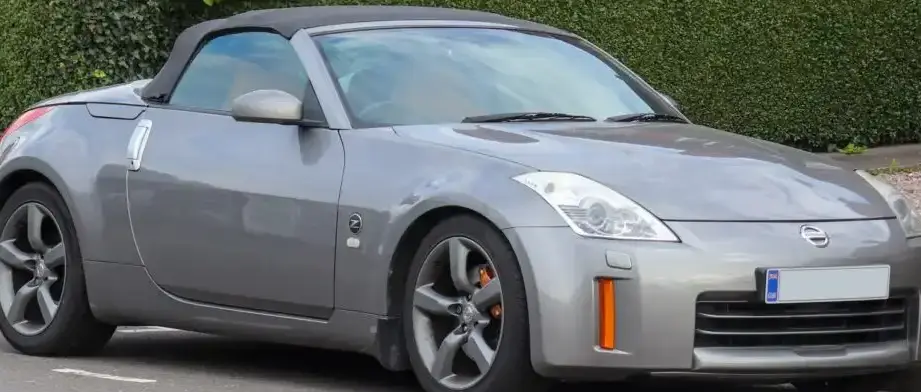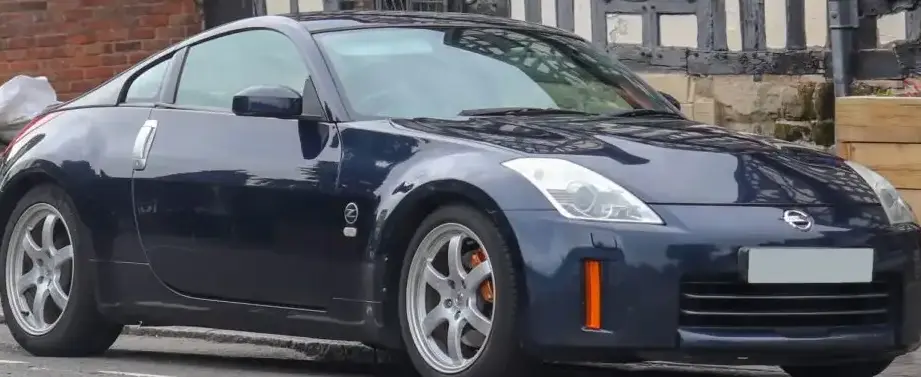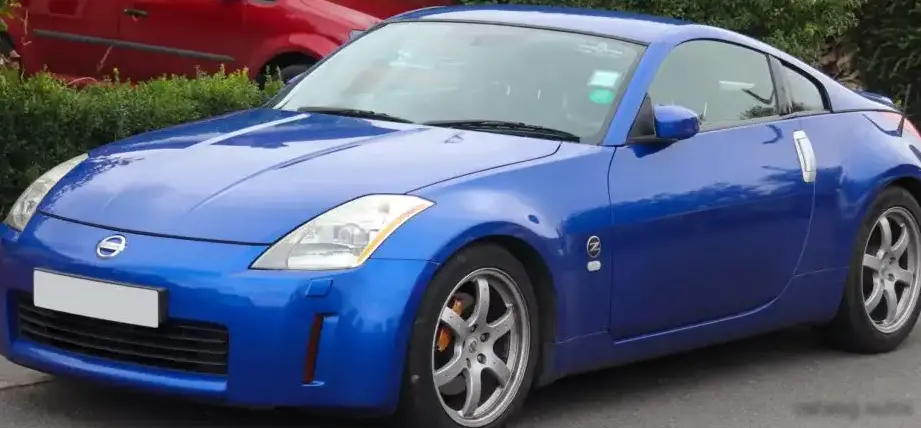
The Nissan 350Z (Z33) 3.5L V6, produced from 2003 to 2006, represents the fifth generation of Nissan’s long-running Z-car lineage. This iteration, designated the Z33 chassis code, marked a significant departure from its predecessor, the Z32, embracing a more modern and aggressive design philosophy. Positioned as a direct competitor to the Mazda RX-8 and BMW Z4, the 350Z aimed to recapture the spirit of affordable, rear-wheel-drive sports cars. The 3.5-liter V6 engine, in its 283 horsepower guise, was the flagship engine offering during the initial production run, establishing the 350Z as a performance bargain in the American market.
Technical Specifications
| Brand | Nissan |
| Model | 350Z |
| Generation | 350Z (Z33) |
| Type (Engine) | 3.5L V6 24V (283 Hp) |
| Start of production | 2003 |
| End of production | 2006 |
| Powertrain Architecture | Internal Combustion engine |
| Body type | Coupe |
| Seats | 2 |
| Doors | 2 |
| Fuel consumption (urban) | 16.1 l/100 km (14.6 US mpg, 17.5 UK mpg, 6.2 km/l) |
| Fuel consumption (extra urban) | 8.7 l/100 km (27 US mpg, 32.5 UK mpg, 11.5 km/l) |
| Fuel consumption (combined) | 11.4 l/100 km (20.6 US mpg, 24.8 UK mpg, 8.8 km/l) |
| Fuel Type | Petrol (Gasoline) |
| Acceleration 0 – 100 km/h | 5.9 sec |
| Acceleration 0 – 62 mph | 5.9 sec |
| Acceleration 0 – 60 mph | 5.6 sec |
| Maximum speed | 250 km/h (155.34 mph) |
| Weight-to-power ratio | 5.5 kg/Hp, 183.2 Hp/tonne |
| Weight-to-torque ratio | 4.4 kg/Nm, 227.8 Nm/tonne |
| Power | 283 Hp @ 6200 rpm |
| Power per litre | 80.9 Hp/l |
| Torque | 352 Nm @ 4800 rpm (259.62 lb.-ft. @ 4800 rpm) |
| Engine layout | Front, Longitudinal |
| Engine Model/Code | VQ35DE |
| Engine displacement | 3498 cm3 (213.46 cu. in.) |
| Number of cylinders | 6 |
| Engine configuration | V-engine |
| Cylinder Bore | 95.5 mm (3.76 in.) |
| Piston Stroke | 81.4 mm (3.2 in.) |
| Compression ratio | 10.3:1 |
| Number of valves per cylinder | 4 |
| Fuel injection system | Multi-port manifold injection |
| Engine aspiration | Naturally aspirated engine |
| Valvetrain | DOHC |
| Engine oil capacity | 4.7 l (4.97 US qt | 4.14 UK qt) |
| Coolant capacity | 8.7 l (9.19 US qt | 7.65 UK qt) |
| Kerb Weight | 1545 kg (3406.14 lbs.) |
| Max. weight | 1820 kg (4012.41 lbs.) |
| Max load | 275 kg (606.27 lbs.) |
| Trunk (boot) space – minimum | 235 l (8.3 cu. ft.) |
| Fuel tank capacity | 70 l (18.49 US gal | 15.4 UK gal) |
| Length | 4310 mm (169.69 in.) |
| Width | 1816 mm (71.5 in.) |
| Height | 1316 mm (51.81 in.) |
| Wheelbase | 2650 mm (104.33 in.) |
| Front track | 1534 mm (60.39 in.) |
| Rear (Back) track | 1544 mm (60.79 in.) |
| Minimum turning circle | 11.2 m (36.75 ft.) |
| Drivetrain Architecture | Rear wheel drive |
| Drive wheel | Rear wheel drive |
| Number of gears and type of gearbox | 6 gears, manual transmission |
| Front suspension | Coil spring |
| Rear suspension | Coil spring |
| Front brakes | Ventilated discs |
| Rear brakes | Ventilated discs |
| Assisting systems | ABS (Anti-lock braking system) |
| Steering type | Steering rack and pinion |
| Tires size | 225/50 R18; 245/45 R18 |
| Wheel rims size | 8J X 18 |
Powertrain & Engine Architecture
The heart of the 350Z is the VQ35DE 3.5-liter V6 engine. This engine, part of Nissan’s highly regarded VQ engine family, is a naturally aspirated, 24-valve DOHC powerplant. It utilizes a cast aluminum block and cylinder heads, contributing to a relatively lightweight design. The VQ35DE employs multi-port fuel injection and a variable valve timing system (CVTCS – Continuously Variable Valve Timing Control System) on both intake and exhaust valves, optimizing performance and efficiency across the rev range. The 283 horsepower output was achieved through a combination of optimized intake and exhaust manifolds, higher compression ratio, and revised engine control unit (ECU) mapping. The standard transmission for this variant was a robust 6-speed manual gearbox, providing precise and engaging shifts. An optional 5-speed automatic transmission was also available, though it generally resulted in a slight performance decrease.
Driving Characteristics
The 350Z with the 3.5L V6 and 6-speed manual transmission delivers a distinctly sporty driving experience. Acceleration from 0-60 mph takes approximately 5.6 seconds, making it a quick car for its time. The engine provides a broad torque curve, offering strong pull throughout the majority of the rev range. The manual gearbox is well-matched to the engine’s characteristics, with relatively short throws and a positive feel. The automatic transmission, while convenient, feels less responsive and diminishes the overall driving engagement. The rear-wheel-drive layout contributes to a balanced chassis, offering predictable handling and a fun-to-drive character. However, the car’s relatively short wheelbase can make it feel slightly twitchy at the limit.
Equipment & Trim Levels
The base 350Z came reasonably well-equipped, including features like air conditioning, power windows and locks, a CD player, and alloy wheels. Higher trim levels, such as the Enthusiast and Touring models, added features like leather upholstery, heated seats, a Bose audio system, and automatic climate control. Optional extras included a sunroof, navigation system, and various cosmetic enhancements. The interior design, while functional, was somewhat spartan, prioritizing a driver-focused experience over luxury.
Chassis & Braking
The 350Z utilizes a MacPherson strut front suspension and a multi-link rear suspension, providing a good balance of ride comfort and handling performance. The chassis is relatively stiff, contributing to precise steering response. Braking duties are handled by ventilated disc brakes on all four wheels, providing ample stopping power. An Anti-lock Braking System (ABS) was standard equipment. The base models typically featured smaller diameter wheels and tires compared to the higher trim levels, impacting grip and handling to a degree.
Market Reception & Comparison
The 350Z was generally well-received by automotive critics, praised for its performance, handling, and value. It was often compared favorably to the Mazda RX-8, offering more power and torque, but lacking the RX-8’s rotary engine’s unique character. Compared to the automatic transmission equipped models, the manual transmission variants were consistently favored by enthusiasts for their superior driving experience. Fuel economy was reasonable for a sports car of its class, averaging around 20 mpg in combined driving. Reliability was generally good, although some owners reported issues with the cooling system and certain electrical components.
Legacy
The Nissan 350Z (Z33) played a significant role in reviving the Z-car nameplate and re-establishing Nissan as a player in the sports car market. The VQ35DE engine proved to be a durable and reliable powerplant, and many 350Zs continue to be driven and enjoyed today. On the used car market, the 350Z remains an affordable and appealing option for those seeking a rear-wheel-drive sports car with a strong engine and engaging driving dynamics. Well-maintained examples, particularly those with the 6-speed manual transmission, are becoming increasingly collectible.