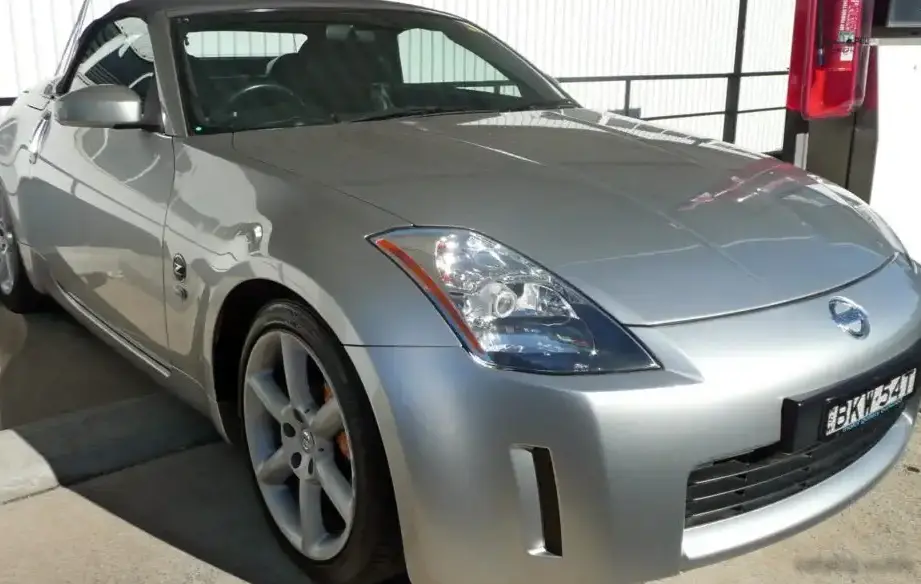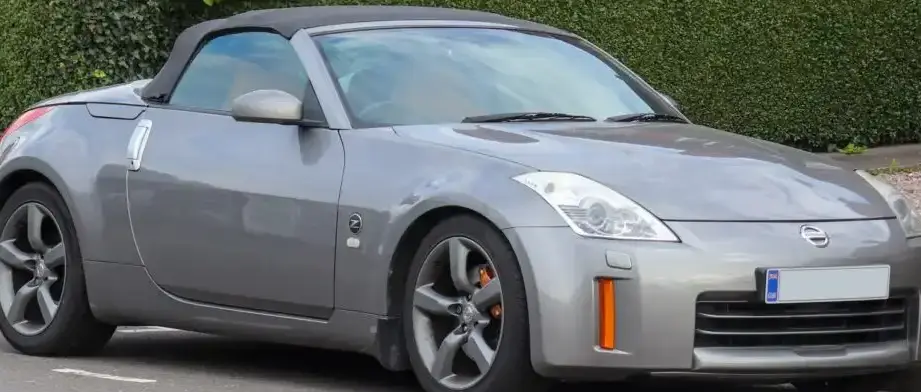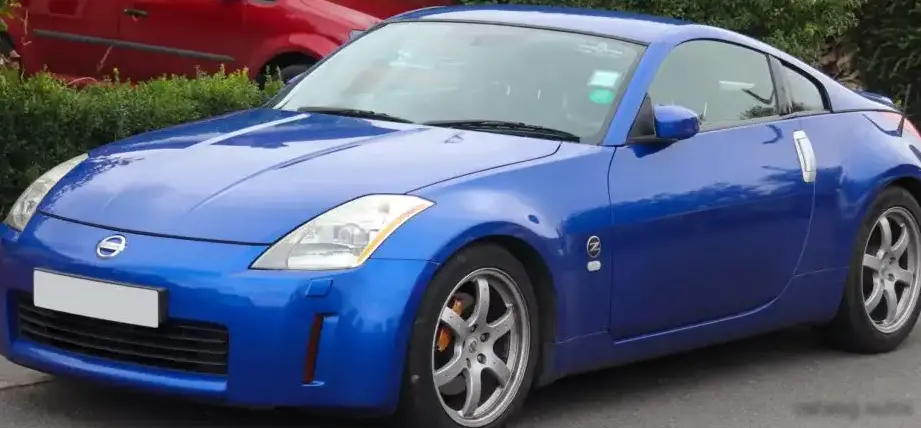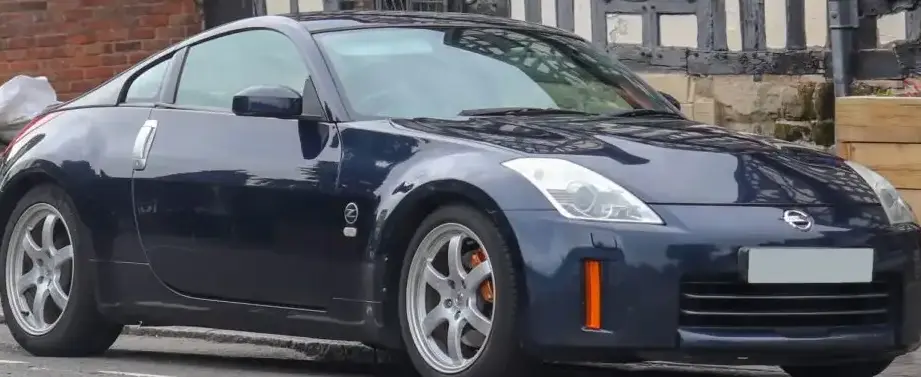
The Nissan 350Z, specifically the Z33 facelift model produced between 2007 and 2009, represented a significant evolution of Nissan’s long-standing Z-car lineage. This iteration, equipped with the 3.5-liter V6 engine paired with a 5-speed automatic transmission, occupied a middle ground within the 350Z lineup, offering a blend of performance and convenience. The facelift brought revised styling cues, including new headlights and taillights, along with interior refinements. Positioned as a more accessible entry point to the 350Z experience compared to the 6-speed manual or higher-spec trims, the automatic variant appealed to buyers prioritizing ease of driving and everyday usability without sacrificing the core sports car character.
Technical Specifications
| Brand | Nissan |
| Model | 350Z |
| Generation | 350Z (Z33, facelift 2007) |
| Type (Engine) | 3.5 i V6 24V (300 Hp) Automatic |
| Start of production | 2007 |
| End of production | 2009 |
| Powertrain Architecture | Internal Combustion engine |
| Body type | Coupe |
| Seats | 2 |
| Doors | 2 |
| Fuel Type | Petrol (Gasoline) |
| Power | 300 Hp @ 6400 rpm |
| Power per litre | 85.8 Hp/l |
| Torque | 361 Nm @ 4400 rpm / 266.26 lb.-ft. @ 4400 rpm |
| Engine layout | Front, Longitudinal |
| Engine Model/Code | VQ35DE |
| Engine displacement | 3498 cm3 / 213.46 cu. in. |
| Number of cylinders | 6 |
| Engine configuration | V-engine |
| Cylinder Bore | 95.5 mm / 3.76 in. |
| Piston Stroke | 81.4 mm / 3.2 in. |
| Compression ratio | 10.6:1 |
| Number of valves per cylinder | 4 |
| Fuel injection system | Multi-port manifold injection |
| Engine aspiration | Naturally aspirated engine |
| Engine oil capacity | 4.7 l / 4.97 US qt | 4.14 UK qt |
| Coolant | 8.7 l / 9.19 US qt | 7.65 UK qt |
| Max. weight | 1820 kg / 4012.41 lbs |
| Trunk (boot) space – minimum | 235 l / 8.3 cu. ft |
| Fuel tank capacity | 80 l / 21.13 US gal | 17.6 UK gal |
| Length | 4315 mm / 169.88 in |
| Width | 1815 mm / 71.46 in |
| Height | 1325 mm / 52.17 in |
| Wheelbase | 2650 mm / 104.33 in |
| Front track | 1535 mm / 60.43 in |
| Rear (Back) track | 1540 mm / 60.63 in |
| Ride height (ground clearance) | 125 mm / 4.92 in |
| Drivetrain Architecture | The Internal combustion engine (ICE) drives the rear wheels of the vehicle. |
| Drive wheel | Rear wheel drive |
| Number of gears and type of gearbox | 5 gears, automatic transmission |
| Front brakes | Ventilated discs |
| Rear brakes | Ventilated discs |
| Steering type | Steering rack and pinion |
Powertrain & Engine Architecture
The heart of the 2007-2009 350Z automatic was the VQ35DE 3.5-liter V6 engine. This engine, a member of Nissan’s highly regarded VQ family, featured a 60-degree V-angle, aluminum block and cylinder heads, and dual overhead camshafts (DOHC) with four valves per cylinder. The VQ35DE utilized a multi-port fuel injection system, delivering fuel directly into each intake port. The engine’s output of 300 horsepower at 6400 rpm and 266 lb-ft of torque at 4400 rpm was achieved through careful tuning and optimization of the engine management system. The 5-speed automatic transmission, designated as the 5AT, was a conventional torque converter automatic. While not known for its lightning-fast shifts, it provided smooth and predictable gear changes, making it well-suited for daily driving. The transmission featured a selectable manual mode, allowing drivers some control over gear selection, but it lacked the responsiveness of a true manual gearbox or the more advanced features of newer automatic transmissions.
Driving Characteristics
The 350Z automatic offered a distinct driving experience compared to its manual transmission counterparts. The automatic transmission, while convenient, did slightly diminish the sense of driver engagement. Acceleration was respectable, with the 300 horsepower engine providing ample power for both city and highway driving. However, the automatic’s shift points were programmed for efficiency and smoothness, sometimes resulting in a slight delay in response during aggressive acceleration. The gear ratios were optimized for a balance of performance and fuel economy, but the 5-speed configuration meant that the engine could feel slightly strained at higher speeds. Compared to the 6-speed manual, the automatic version typically recorded slightly slower 0-60 mph times. The rear-wheel-drive layout contributed to a balanced chassis and predictable handling, but the automatic transmission didn’t allow for the same level of control during cornering as a manual.
Equipment & Trim Levels
The 2007-2009 350Z automatic typically came standard with features such as air conditioning, power windows and locks, a CD player with auxiliary input, and basic cloth upholstery. Higher trim levels, such as the Touring model, added features like leather upholstery, heated seats, a Bose audio system, and automatic climate control. Optional extras included a navigation system, sunroof, and upgraded wheels. The interior design was driver-focused, with a simple and functional layout. The dashboard featured analog gauges for speed, tachometer, and fuel level, along with a digital display for trip information. The steering wheel was typically wrapped in leather and featured controls for the audio system and cruise control.
Chassis & Braking
The 350Z’s chassis was a monocoque construction, providing a rigid and lightweight platform. The suspension consisted of independent multi-link suspension at all four corners, offering a good balance of ride comfort and handling performance. The front suspension featured stabilizer bars to reduce body roll during cornering. The rear suspension utilized coil springs and shock absorbers. Braking duties were handled by ventilated disc brakes at all four wheels, providing ample stopping power. Anti-lock brakes (ABS) were standard, enhancing safety and control during emergency braking situations. The steering system was a rack-and-pinion setup, offering precise and responsive steering feel.
Market Reception & Comparison
Critics generally praised the 350Z for its sporty handling, powerful engine, and attractive styling. However, the automatic transmission received mixed reviews. Some reviewers found it to be smooth and convenient, while others criticized its lack of responsiveness and engagement. Compared to the manual transmission version, the automatic was often seen as a compromise, sacrificing some performance for ease of use. In terms of fuel economy, the automatic 350Z typically achieved slightly lower MPG figures than the manual. Reliability was generally good, with the VQ35DE engine proving to be a durable and long-lasting powerplant. However, some owners reported issues with the automatic transmission, such as rough shifting or premature failure.
Legacy
The 2007-2009 Nissan 350Z automatic remains a popular choice among enthusiasts seeking an affordable and engaging sports car. The VQ35DE engine is known for its reliability and potential for modification. While the 5-speed automatic transmission isn’t considered the most advanced, it has proven to be reasonably durable with proper maintenance. In the used car market, these 350Z models typically command reasonable prices, making them an attractive option for those looking for a fun and sporty coupe. The 350Z, in all its variants, helped solidify Nissan’s reputation as a manufacturer of performance vehicles and paved the way for the subsequent 370Z.