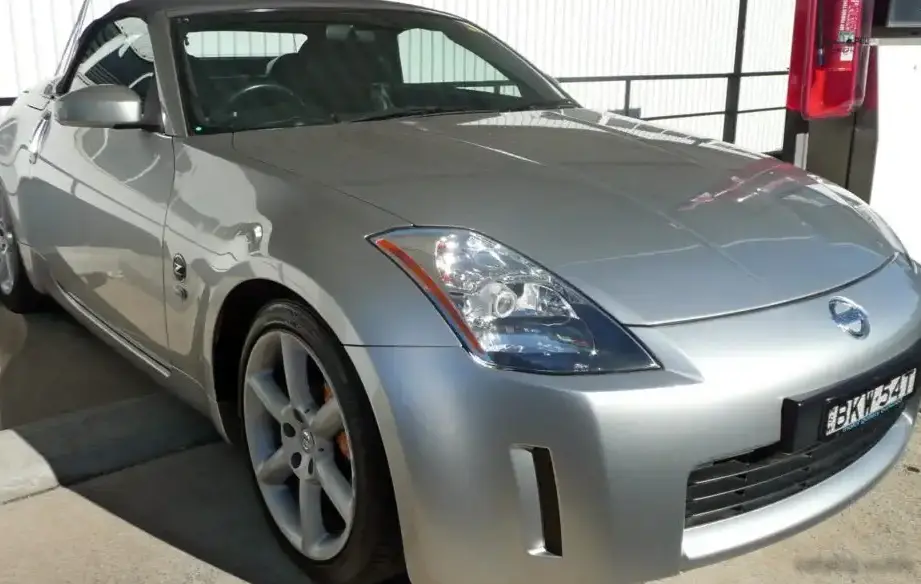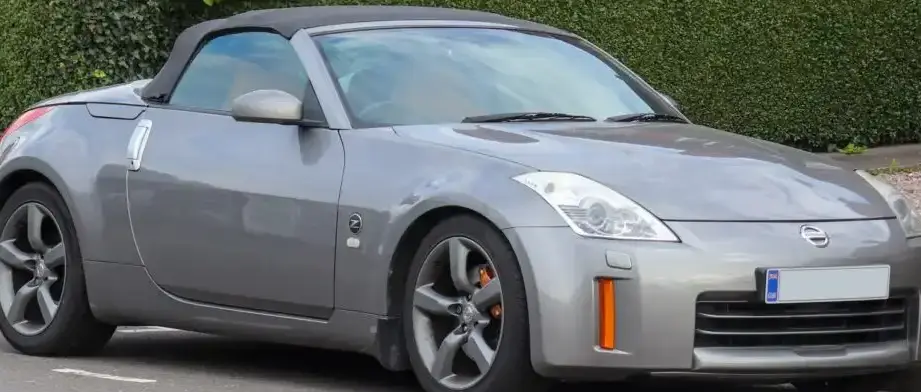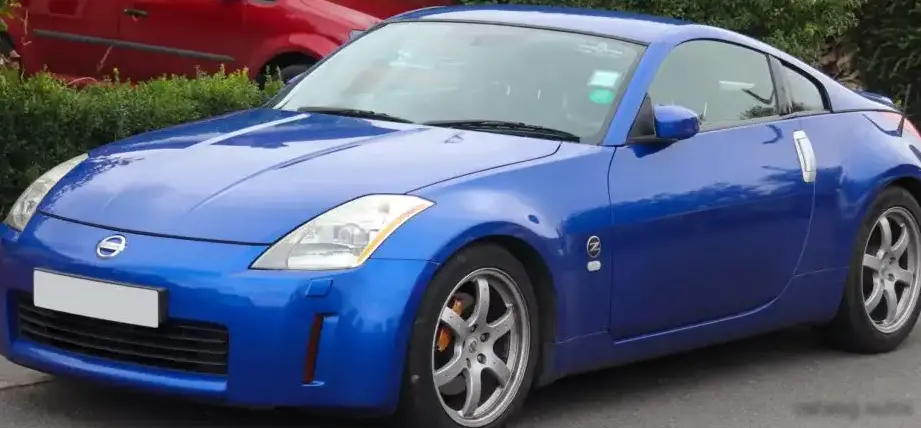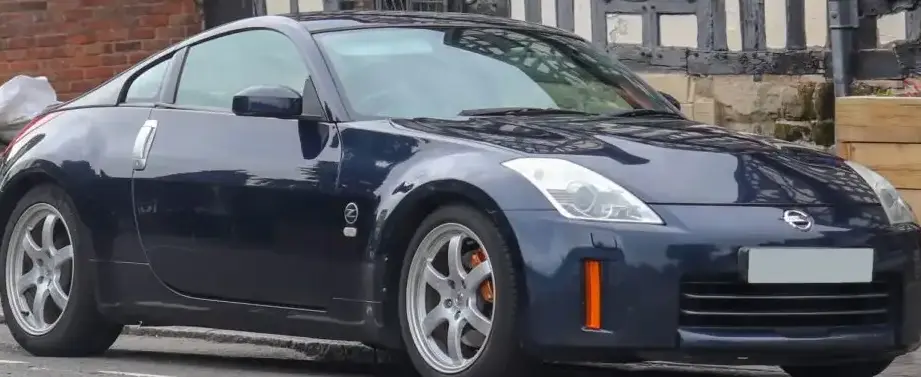
The Nissan 350Z, specifically the Z33 facelift model produced from 2007 to 2009 equipped with the 3.5i V6 24V engine producing 313 horsepower, represents a significant evolution in Nissan’s sports car lineage. This iteration of the 350Z built upon the success of the initial Z33 launch, offering refinements to both styling and performance. Positioned as the top-tier performance model within the 350Z range, it catered to enthusiasts seeking a pure driving experience with a focus on power and handling. The Z33 platform, derived from the Nissan FM (Front Midship) architecture, aimed to provide an ideal weight distribution for enhanced agility. This model was primarily marketed in North America, Europe, and Japan, becoming a popular choice for those desiring an affordable yet capable sports coupe.
Technical Specifications
| Brand | Nissan |
| Model | 350Z |
| Generation | 350Z (Z33, facelift 2007) |
| Type (Engine) | 3.5i V6 24V (313 Hp) |
| Start of production | 2007 |
| End of production | 2009 |
| Powertrain Architecture | Internal Combustion engine |
| Body type | Coupe |
| Seats | 2 |
| Doors | 2 |
| Fuel consumption (urban) | 16.8 l/100 km (14 US mpg, 16.8 UK mpg, 6 km/l) |
| Fuel consumption (extra urban) | 8.8 l/100 km (26.7 US mpg, 32.1 UK mpg, 11.4 km/l) |
| Fuel consumption (combined) | 11.7 l/100 km (20.1 US mpg, 24.1 UK mpg, 8.5 km/l) |
| Fuel Type | Petrol (Gasoline) |
| Maximum speed | 250 km/h (155.34 mph) |
| Weight-to-power ratio | 4.9 kg/Hp, 204.6 Hp/tonne |
| Weight-to-torque ratio | 4.3 kg/Nm, 234 Nm/tonne |
| Power | 313 Hp @ 6800 rpm |
| Power per litre | 89.5 Hp/l |
| Torque | 358 Nm @ 4800 rpm (264.05 lb.-ft. @ 4800 rpm) |
| Engine layout | Front, Longitudinal |
| Engine Model/Code | VQ35HR |
| Engine displacement | 3498 cm3 (213.46 cu. in.) |
| Number of cylinders | 6 |
| Engine configuration | V-engine |
| Cylinder Bore | 95.5 mm (3.76 in.) |
| Piston Stroke | 81.4 mm (3.2 in.) |
| Compression ratio | 10.6:1 |
| Number of valves per cylinder | 4 |
| Fuel injection system | Multi-port manifold injection |
| Engine aspiration | Naturally aspirated engine |
| Engine oil capacity | 4.9 l (5.18 US qt | 4.31 UK qt) |
| Coolant capacity | 9 l (9.51 US qt | 7.92 UK qt) |
| Kerb Weight | 1530 kg (3373.07 lbs.) |
| Max. weight | 1820 kg (4012.41 lbs.) |
| Max load | 290 kg (639.34 lbs.) |
| Trunk (boot) space – minimum | 235 l (8.3 cu. ft.) |
| Fuel tank capacity | 80 l (21.13 US gal | 17.6 UK gal) |
| Length | 4315 mm (169.88 in.) |
| Width | 1815 mm (71.46 in.) |
| Height | 1325 mm (52.17 in.) |
| Wheelbase | 2650 mm (104.33 in.) |
| Front track | 1535 mm (60.43 in.) |
| Rear (Back) track | 1540 mm (60.63 in.) |
| Ride height (ground clearance) | 110 mm (4.33 in.) |
| Drivetrain Architecture | Rear wheel drive |
| Drive wheel | Rear wheel drive |
| Number of gears and type of gearbox | 6 gears, manual transmission |
| Front brakes | Ventilated discs |
| Rear brakes | Disc |
| Steering type | Steering rack and pinion |
| Tires size | 225/45 R18 |
| Wheel rims size | 18 |
Powertrain & Engine Architecture
The heart of the 2007-2009 350Z facelift is the VQ35HR 3.5-liter V6 engine. This engine represents a significant upgrade over the earlier VQ35DE, featuring a revised block, cylinder heads, and variable valve timing (VVEL) on both intake and exhaust valves. The VVEL system allows for more precise control of valve lift and timing, improving both power and fuel efficiency. The engine utilizes a multi-port fuel injection system, delivering fuel directly to each cylinder. The 6-speed manual transmission was standard, offering precise shifts and a direct connection to the rear wheels. The engine’s longitudinal front-midship layout contributes to a balanced weight distribution, enhancing handling characteristics. The VQ35HR is known for its robust construction and relatively simple design, contributing to its reliability.
Driving Characteristics
The 313 horsepower and 264 lb-ft of torque delivered by the VQ35HR engine, coupled with the 6-speed manual transmission, provide a thrilling driving experience. Acceleration is brisk, with 0-60 mph times typically around 5.2-5.4 seconds. The manual transmission’s gear ratios are well-matched to the engine’s powerband, allowing for strong acceleration in all gears. Compared to earlier 350Z models, the facelifted version offers improved throttle response and a more refined overall driving feel. While not as raw or visceral as some competitors, the 350Z strikes a good balance between performance and everyday usability. The rear-wheel-drive configuration provides engaging handling, although traction can be a challenge in wet conditions.
Equipment & Trim Levels
The 2007-2009 350Z facelift typically came standard with features such as air conditioning, power windows and locks, a Bose audio system, and alloy wheels. Interior upholstery was typically cloth or leather, with options for heated seats. The Touring trim added features like leather upholstery, automatic climate control, and a sunroof. The Track trim focused on performance, including a limited-slip differential and upgraded brakes. Optional extras included navigation, a premium sound system, and various cosmetic enhancements. The interior design was driver-focused, with well-placed controls and supportive seats.
Chassis & Braking
The 350Z utilizes a MacPherson strut front suspension and a multi-link rear suspension. The suspension is tuned for a balance between comfort and handling. The facelifted models received minor suspension tweaks for improved ride quality. Brakes are ventilated discs at all four corners, providing ample stopping power. The standard wheel size is 18 inches, with performance tires offering excellent grip. The chassis is relatively stiff, contributing to precise handling and a connected feel. The steering is responsive and provides good feedback to the driver.
Market Reception & Comparison
The 2007-2009 Nissan 350Z facelift was generally well-received by automotive critics. It was praised for its powerful engine, engaging handling, and attractive styling. Compared to rivals like the Mazda RX-8 and the BMW Z4, the 350Z offered a compelling combination of performance and value. Fuel economy was reasonable for a sports car, averaging around 20 mpg in combined driving. Reliability was generally good, although some owners reported minor issues with the cooling system and sensors. The 350Z offered a more accessible price point than many European sports cars, making it a popular choice for enthusiasts.
Legacy
The Nissan 350Z, particularly the facelifted models, have developed a strong following among enthusiasts. The VQ35HR engine is known for its durability and potential for modification. The 350Z remains a popular choice in the used car market, offering a compelling blend of performance, style, and affordability. While newer sports cars have emerged, the 350Z continues to be appreciated for its classic sports car formula and engaging driving experience. Its impact on the sports car landscape is significant, demonstrating that a capable and exciting sports car could be offered at a relatively accessible price point.