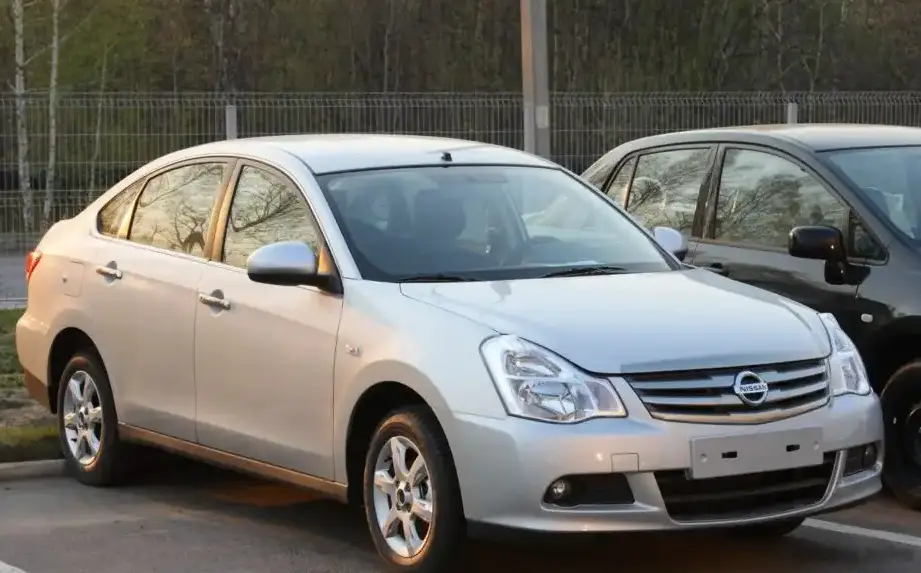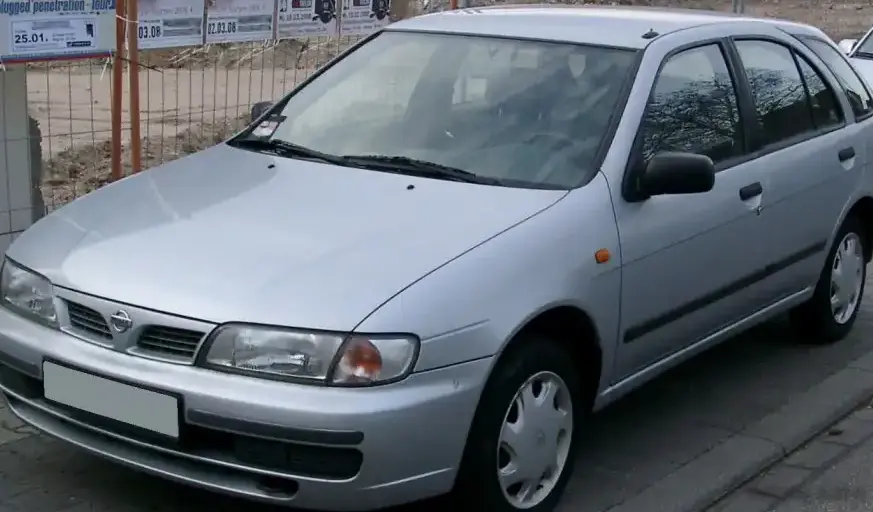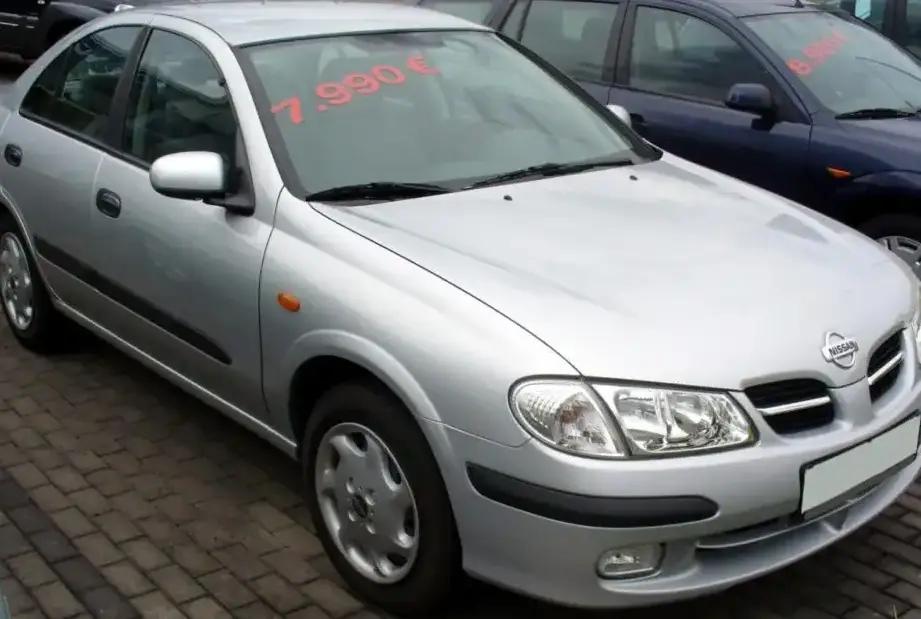
The Nissan Almera II (N16) 2.2 D, produced between 2000 and 2003, represented a significant offering in the compact sedan segment, particularly in European markets. Positioned as a practical and fuel-efficient option, this variant utilized a 2.2-liter turbocharged diesel engine producing 110 horsepower. It occupied a middle ground within the N16 Almera lineup, offering a balance between performance and economy, appealing to drivers seeking a capable and reliable vehicle for daily commuting and longer journeys. The N16 Almera was Nissan’s replacement for the Almera/Pulsar (N15) and was built on the Nissan S platform, shared with other compact Nissan and Renault models.
Technical Specifications
| Brand | Nissan |
| Model | Almera |
| Generation | Almera II (N16) |
| Type (Engine) | 2.2 D (110 Hp) |
| Start of production | 2000 year |
| End of production | 2003 year |
| Powertrain Architecture | Internal Combustion engine |
| Body type | Sedan |
| Seats | 5 |
| Doors | 4 |
| Fuel consumption (urban) | 8 l/100 km (29.4 US mpg, 35.3 UK mpg, 12.5 km/l) |
| Fuel consumption (extra urban) | 4.7 l/100 km (50 US mpg, 60.1 UK mpg, 21.3 km/l) |
| Fuel consumption (combined) | 5.9 l/100 km (39.9 US mpg, 47.9 UK mpg, 16.9 km/l) |
| Fuel Type | Diesel |
| Acceleration 0 – 100 km/h | 12.3 sec |
| Acceleration 0 – 62 mph | 12.3 sec |
| Acceleration 0 – 60 mph | 11.7 sec |
| Maximum speed | 185 km/h (114.95 mph) |
| Weight-to-power ratio | 11.2 kg/Hp, 89.1 Hp/tonne |
| Weight-to-torque ratio | 5.4 kg/Nm, 186.2 Nm/tonne |
| Power | 110 Hp @ 4000 rpm |
| Power per litre | 50.4 Hp/l |
| Torque | 230 Nm @ 2000 rpm (169.64 lb.-ft. @ 2000 rpm) |
| Engine layout | Front, Transverse |
| Engine Model/Code | YD22DDT |
| Engine displacement | 2184 cm3 (133.28 cu. in.) |
| Number of cylinders | 4 |
| Engine configuration | Inline |
| Cylinder Bore | 86 mm (3.39 in.) |
| Piston Stroke | 94 mm (3.7 in.) |
| Compression ratio | 18:1 |
| Number of valves per cylinder | 4 |
| Fuel injection system | Diesel Commonrail |
| Engine aspiration | Turbocharger |
| Valvetrain | DOHC |
| Engine oil capacity | 5.4 l (5.71 US qt | 4.75 UK qt) |
| Coolant | 8.7 l (9.19 US qt | 7.65 UK qt) |
| Kerb Weight | 1235 kg (2722.71 lbs.) |
| Max. weight | 1800 kg (3968.32 lbs.) |
| Max load | 565 kg (1245.61 lbs.) |
| Trunk (boot) space – minimum | 393 l (13.88 cu. ft.) |
| Fuel tank capacity | 60 l (15.85 US gal | 13.2 UK gal) |
| Length | 4425 mm (174.21 in.) |
| Width | 1695 mm (66.73 in.) |
| Height | 1445 mm (56.89 in.) |
| Wheelbase | 2535 mm (99.8 in.) |
| Front track | 1470 mm (57.87 in.) |
| Rear (Back) track | 1450 mm (57.09 in.) |
| Ride height (ground clearance) | 140 mm (5.51 in.) |
| Drivetrain Architecture | The Internal combustion engine (ICE) drives the front wheels of the vehicle. |
| Drive wheel | Front wheel drive |
| Number of gears and type of gearbox | 5 gears, manual transmission |
| Front suspension | Wishbone |
| Rear suspension | Rigid axle suspension |
| Front brakes | Ventilated discs |
| Rear brakes | Disc |
| Steering type | Steering rack and pinion |
| Power steering | Hydraulic Steering |
| Tires size | 185/65 R15 |
| Wheel rims size | 15 |
Powertrain & Engine Architecture
The heart of the Almera II 2.2 D is the YD22DDT engine, a 2.2-liter inline-four cylinder diesel. This engine utilized a turbocharger and a common rail direct injection system to deliver a respectable 110 horsepower and 230 Nm (169.64 lb-ft) of torque. The common rail system, a relatively new technology at the time, allowed for precise fuel delivery, improving both efficiency and reducing emissions. The engine featured a double overhead camshaft (DOHC) valvetrain, contributing to its improved breathing and power output. The five-speed manual transmission was the standard offering for this variant, providing a balance between fuel economy and driver control. The engine’s transverse mounting and front-wheel-drive configuration were typical for vehicles in this class.
Driving Characteristics
The 2.2 D Almera offered a practical and comfortable driving experience. While not particularly sporty, the engine provided adequate power for everyday driving situations. The 230 Nm of torque, available from 2000 rpm, made it reasonably responsive in overtaking maneuvers and when carrying a full load. The five-speed manual transmission allowed drivers to keep the engine in its optimal power band. Compared to the lower-powered 1.5-liter gasoline versions, the 2.2 D offered significantly more pulling power, but lacked the outright acceleration of higher-spec petrol models. The gear ratios were tuned for fuel efficiency, resulting in a slightly less engaging driving experience than some of its rivals.
Equipment & Trim Levels
The 2.2 D Almera typically came with a reasonable level of standard equipment. This included power steering, central locking, electric front windows, and an adjustable steering column. Interior upholstery was typically cloth, with a functional and durable design. Optional extras included air conditioning, alloy wheels, and a radio/CD player. The trim level generally fell into the mid-range of the Almera lineup, offering a step up from the base models but lacking the luxury features found in the higher-spec versions.
Chassis & Braking
The Almera II 2.2 D featured a conventional chassis layout with a MacPherson strut front suspension and a rigid axle rear suspension. The front brakes were ventilated discs, providing good stopping power, while the rear brakes were solid discs. The suspension setup was tuned for comfort, providing a relatively smooth ride over uneven surfaces. The hydraulic power steering offered light and easy steering, making it well-suited for urban driving. The 185/65 R15 tires provided adequate grip in most conditions.
Market Reception & Comparison
The Nissan Almera II 2.2 D was generally well-received by critics as a practical and economical family car. Its fuel efficiency was a major selling point, particularly in Europe where diesel fuel was often cheaper than gasoline. Compared to other diesel-powered compact sedans of the time, such as the Ford Focus TDCi and the Volkswagen Golf TDI, the Almera offered a competitive level of performance and equipment at a reasonable price. However, some critics noted that the interior design was somewhat bland and that the driving experience lacked the refinement of some of its rivals.
Legacy
The YD22DDT engine, while not known for being particularly high-performance, proved to be relatively reliable. With proper maintenance, these engines can accumulate high mileage. In the used car market, the Almera II 2.2 D remains a popular choice for budget-conscious buyers seeking a dependable and fuel-efficient vehicle. Parts availability is generally good, and maintenance costs are relatively low. However, potential buyers should be aware of the typical wear and tear associated with diesel engines, such as turbocharger issues and injector problems. Overall, the Almera II 2.2 D represents a solid and practical choice in the used car market, offering a good balance of affordability, reliability, and fuel economy.