Technical Specifications
| Brand | Nissan |
| Model | Bluebird |
| Generation | Bluebird (810) |
| Type (Engine) | 1.8 (88 Hp) |
| Start of Production | 1976 |
| End of Production | 1979 |
| Powertrain Architecture | Internal Combustion Engine |
| Body Type | Sedan |
| Seats | 5 |
| Doors | 4 |
| Fuel Type | Petrol (Gasoline) |
| Engine Power | 88 Hp @ 5200 rpm |
| Engine Aspiration | Naturally Aspirated |
| Drivetrain | Front Wheel Drive |
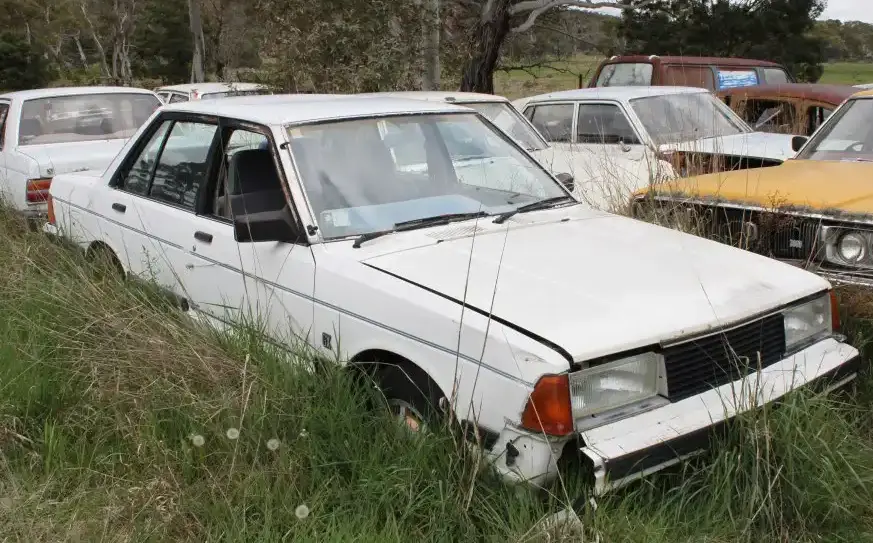
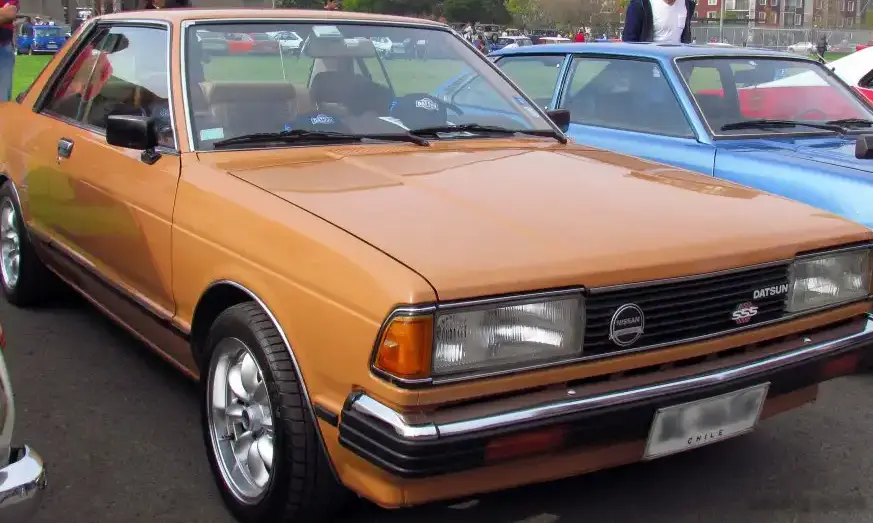
The Nissan Bluebird 810, specifically the 1.8-liter (88 horsepower) variant, represents a significant entry in Nissan’s mid-size sedan offerings during the late 1970s. Produced between 1976 and 1979, this iteration of the Bluebird (the 810 designation) was primarily aimed at the Japanese domestic market and export markets like Australia, Europe, and parts of Southeast Asia. While not officially sold in the United States during this generation, the 810 Bluebird showcased Nissan’s growing engineering prowess and its commitment to providing reliable, comfortable transportation. This particular 1.8L engine and transmission combination served as the entry-level powertrain option for the 810, offering a balance of affordability and practicality.
Introduction
The Nissan Bluebird 810 arrived as a substantial update to the Bluebird line, moving towards a more modern and spacious design. The 810 series represented a shift in Nissan’s design philosophy, incorporating larger dimensions and a more refined interior. The 1.8-liter engine variant was positioned as the base model, intended for buyers prioritizing fuel efficiency and affordability over outright performance. It competed with other mid-size sedans of the era, such as the Toyota Corolla and Honda Accord, offering a compelling package of features and reliability. The 810 Bluebird was a key model in establishing Nissan’s reputation for building durable and dependable vehicles.
Powertrain & Engine Architecture
The heart of the Bluebird 810 1.8 was the Nissan L18 engine, a 1.8-liter (1778cc) inline-four cylinder gasoline engine. This engine utilized a single overhead camshaft (SOHC) valvetrain, operating with two valves per cylinder. Fuel delivery was managed by a carburetor, a common setup for vehicles of this era. The L18 engine was known for its simplicity and robustness, contributing to the Bluebird’s overall reliability. While not a powerhouse, the 88 horsepower output at 5200 rpm provided adequate performance for everyday driving. The engine’s torque figures were modest, peaking around 108 lb-ft, which meant acceleration was not particularly brisk. The transmission paired with this engine was typically a three-speed automatic, designed for smooth and comfortable operation. This automatic transmission, while not offering the most advanced gear ratios, was well-suited to the engine’s power characteristics and the intended use case of the vehicle. It was a fairly conventional three-speed unit, prioritizing smooth shifts over aggressive downshifting.
Driving Characteristics
The driving experience in the Bluebird 810 1.8 with the automatic transmission was characterized by smoothness and ease of use. The three-speed automatic transmission provided relatively seamless gear changes, although it lacked the responsiveness of more modern transmissions. Acceleration was adequate for merging onto highways and navigating city streets, but it wasn’t designed for spirited driving. The gear ratios were optimized for fuel economy and cruising comfort rather than outright performance. Compared to the available manual transmission options, the automatic version offered a more relaxed driving experience, but at the expense of some responsiveness. The automatic’s shift points were calibrated to keep the engine within its optimal torque band for everyday driving, but this also meant that passing maneuvers required careful planning. Higher trim levels, equipped with larger engines (like the 2.0-liter), offered significantly more power and a more engaging driving experience. However, the 1.8L automatic was favored by drivers who prioritized comfort and convenience over performance.
Equipment & Trim Levels
The Bluebird 810 1.8, as the entry-level trim, typically came equipped with a fairly basic set of features. Standard equipment generally included cloth upholstery, vinyl floor covering, and a simple dashboard layout. Amenities like a radio were often optional extras. The interior was designed with practicality in mind, offering comfortable seating for five passengers. Higher trim levels offered upgrades such as more luxurious upholstery, woodgrain interior trim, and additional convenience features like power windows and air conditioning. The 1.8L model often served as a base for customers to add options based on their individual needs and budgets. Exterior features were also relatively simple, with basic chrome trim and steel wheels being standard. Deluxe models might have featured upgraded wheel covers and additional brightwork.
Chassis & Braking
The Bluebird 810 featured a conventional front-engine, front-wheel-drive layout. The suspension system consisted of independent front suspension with MacPherson struts and a solid rear axle with leaf springs. This setup provided a comfortable ride quality, although it wasn’t particularly sporty. The braking system was typically comprised of front disc brakes and rear drum brakes. The drum brakes on the rear were a cost-saving measure for the base model. Steering was accomplished through a recirculating ball steering system, which provided adequate precision but lacked the feel of more modern steering technologies. Stabilizer bars were often included, but their thickness varied depending on the specific market and trim level. The suspension was tuned for comfort, absorbing bumps and road imperfections effectively, but it did exhibit some body roll during cornering.
Market Reception & Comparison
The Nissan Bluebird 810 1.8 was generally well-received as a practical and reliable family sedan. Critics praised its comfortable ride, spacious interior, and fuel efficiency. However, the 88 horsepower engine was often criticized for being underpowered, particularly when paired with the automatic transmission. Compared to other trims in the Bluebird lineup, the 1.8L automatic offered the lowest price point but also the least amount of performance. The larger-engined models provided a more engaging driving experience, but at a higher cost. In terms of fuel economy, the 1.8L variant was the most efficient, making it an attractive option for budget-conscious buyers. Reliability was a strong point for the Bluebird 810, with the L18 engine proving to be exceptionally durable. It consistently ranked well in reliability surveys of the time, cementing Nissan’s reputation for building long-lasting vehicles.
Legacy
The Nissan Bluebird 810 1.8, while not the most powerful or technologically advanced version of the model, holds a significant place in Nissan’s history. The L18 engine became a workhorse for Nissan, powering a variety of vehicles for many years. The 810 Bluebird established Nissan as a serious competitor in the mid-size sedan segment. Today, the Bluebird 810 is a sought-after classic car, particularly among enthusiasts who appreciate its simplicity, reliability, and retro styling. The 1.8L automatic variant, while not as desirable as some of the higher-performance trims, remains a viable option for those seeking a classic Japanese sedan that is easy to maintain and relatively affordable to acquire. Parts availability is generally good, and the L18 engine is known for its longevity, making it a rewarding vehicle for classic car enthusiasts. Its enduring appeal lies in its honest design and dependable nature, representing a bygone era of automotive engineering.