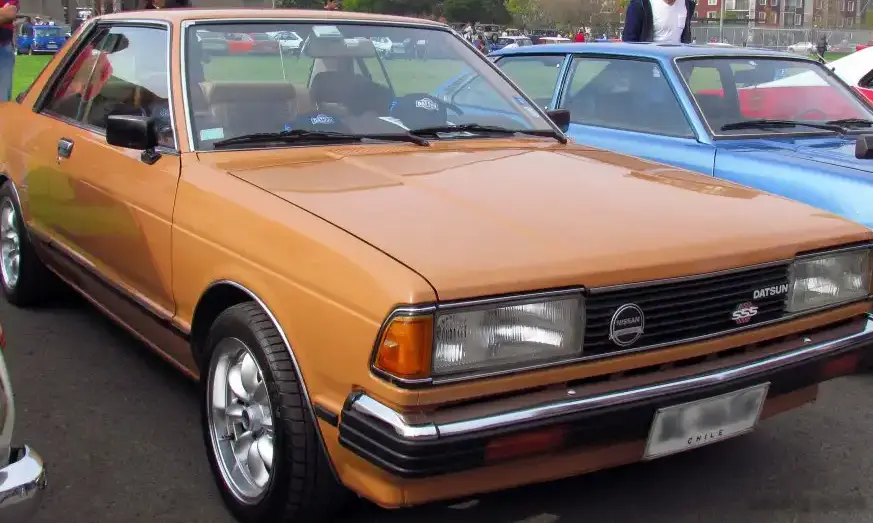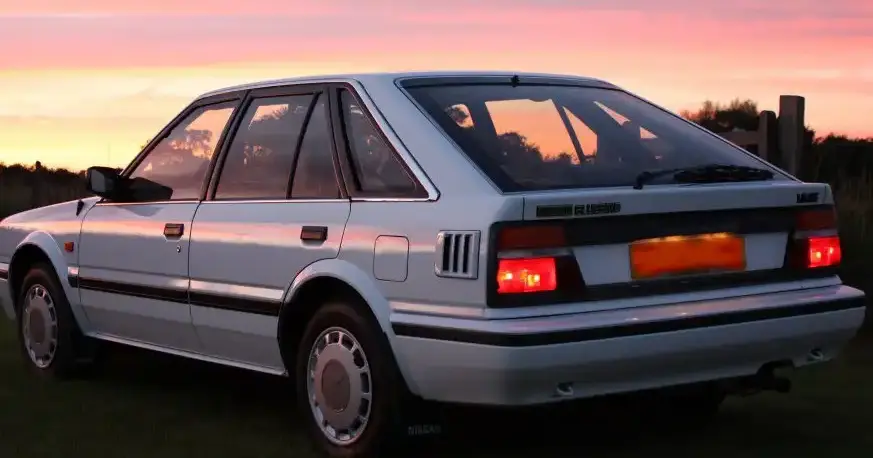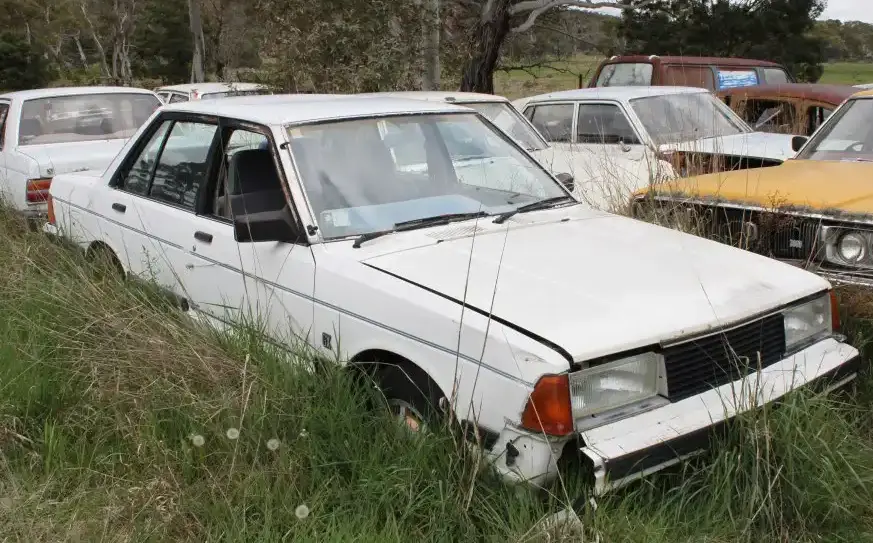
The Nissan Bluebird 910, produced between 1980 and 1984, represented a significant evolution for Nissan’s mid-size offering. Within the 910 series, the 1.9 D variant, equipped with a naturally aspirated diesel engine producing 60 horsepower, occupied a specific niche. This model was primarily aimed at buyers prioritizing fuel economy and durability over outright performance, particularly in markets where diesel fuel was readily available and cost-effective. The 910 Bluebird was a key competitor to vehicles like the Toyota Corolla and Honda Accord, offering a blend of practicality and affordability. The 1.9 D trim was generally positioned as the entry-level option within the 910 range, appealing to a more conservative customer base.
Technical Specifications
| Brand | Nissan |
| Model | Bluebird |
| Generation | Bluebird (910) |
| Type (Engine) | 1.9 D (60 Hp) |
| Start of Production | 1980 |
| End of Production | 1984 |
| Powertrain Architecture | Internal Combustion Engine |
| Body Type | Sedan |
| Seats | 5 |
| Doors | 4 |
| Fuel Type | Diesel |
| Power | 60 Hp |
| Engine Aspiration | Naturally Aspirated |
| Drivetrain | Front Wheel Drive |
Powertrain & Engine Architecture
The heart of the Bluebird 910 1.9 D was the Nissan CD20 diesel engine, a 1.9-liter inline-four cylinder unit. This engine, while modest in its 60 horsepower output, was known for its robustness and longevity. It employed indirect injection, a common feature for diesel engines of the era, utilizing a pre-combustion chamber to improve combustion efficiency and reduce noise. The CD20 featured a single overhead camshaft (SOHC) valvetrain, operating two valves per cylinder. The engine’s design prioritized reliability and low-end torque, rather than high-revving performance. The transmission paired with the CD20 was typically a four-speed manual, although a three-speed automatic transmission was also offered, albeit less commonly. The automatic transmission was designed for smooth, economical operation, prioritizing fuel efficiency over sporty acceleration. The engine management system was relatively simple, relying on mechanical fuel injection and timing controls, contributing to its ease of maintenance.
Driving Characteristics
The driving experience in the Bluebird 910 1.9 D was characterized by its unhurried pace. With only 60 horsepower on tap, acceleration was modest, and overtaking required careful planning. The engine produced peak torque at relatively low RPMs, making it suitable for everyday driving and providing adequate pulling power for cruising on highways. The four-speed manual transmission allowed drivers to maximize the engine’s limited power, while the optional automatic transmission offered convenience at the expense of some responsiveness. The front-wheel-drive configuration provided predictable handling, although the car wasn’t particularly sporty. Steering was light and easy, making it well-suited for urban environments. Compared to the gasoline-powered Bluebird variants, the 1.9 D offered significantly better fuel economy, but at the cost of performance. The manual transmission version offered a slightly more engaging driving experience, while the automatic prioritized comfort and ease of use.
Equipment & Trim Levels
The 1.9 D Bluebird 910 typically came with a fairly basic level of equipment, reflecting its position as the entry-level model. Standard features generally included cloth upholstery, a simple dashboard layout with analog gauges, and basic exterior trim. Power steering was not always standard, and air conditioning was often an optional extra. The interior was functional and durable, prioritizing practicality over luxury. Trim levels varied depending on the market, but generally, the 1.9 D offered a no-frills approach. Optional extras could include upgraded audio systems, electric windows, and more comfortable seating. The exterior styling was relatively understated, with a focus on clean lines and practicality. The 910 Bluebird offered a reasonable amount of interior space for its size, comfortably accommodating five passengers.
Chassis & Braking
The Bluebird 910 1.9 D utilized a conventional front-engine, front-wheel-drive layout. The suspension consisted of MacPherson struts at the front and a semi-trailing arm suspension at the rear. This setup provided a comfortable ride, although it wasn’t particularly sophisticated. The braking system typically featured disc brakes at the front and drum brakes at the rear. The brakes were adequate for the car’s weight and performance, but lacked the stopping power of more modern systems. Stabilizer bars were often omitted on the base 1.9 D trim to reduce cost, resulting in slightly more body roll during cornering. The chassis was designed for durability and reliability, rather than sporty handling. The steering system was a recirculating ball type, providing light and easy steering feel.
Market Reception & Comparison
The Nissan Bluebird 910 1.9 D received mixed reviews. Critics generally praised its fuel economy and durability, but criticized its lack of performance. It was seen as a sensible and practical choice for buyers prioritizing affordability and reliability. Compared to the gasoline-powered Bluebird variants, the 1.9 D offered significantly better fuel economy, but at the cost of acceleration and overall driving enjoyment. The 1.9 D was often compared to other diesel-powered sedans of the era, such as the Toyota Corolla Diesel and the Mazda 323 Diesel. In terms of fuel economy, the Bluebird 1.9 D was competitive, but its performance lagged behind some of its rivals. Reliability was a strong point, with the CD20 diesel engine proving to be a durable and long-lasting unit.
Legacy
The Nissan Bluebird 910 1.9 D, while not a performance icon, holds a respectable place in automotive history as a reliable and fuel-efficient family sedan. The CD20 diesel engine proved to be remarkably durable, and many examples are still on the road today. In the used car market, the 910 Bluebird 1.9 D is often sought after by enthusiasts looking for a classic Japanese car that is easy to maintain and relatively inexpensive to operate. Its simplicity and robust construction make it a popular choice for restoration projects. While not particularly collectible, the 910 Bluebird 1.9 D represents a significant chapter in Nissan’s history and a testament to the enduring appeal of practical, reliable transportation. The 910 series, as a whole, helped solidify Nissan’s reputation for building quality vehicles that offered good value for money.