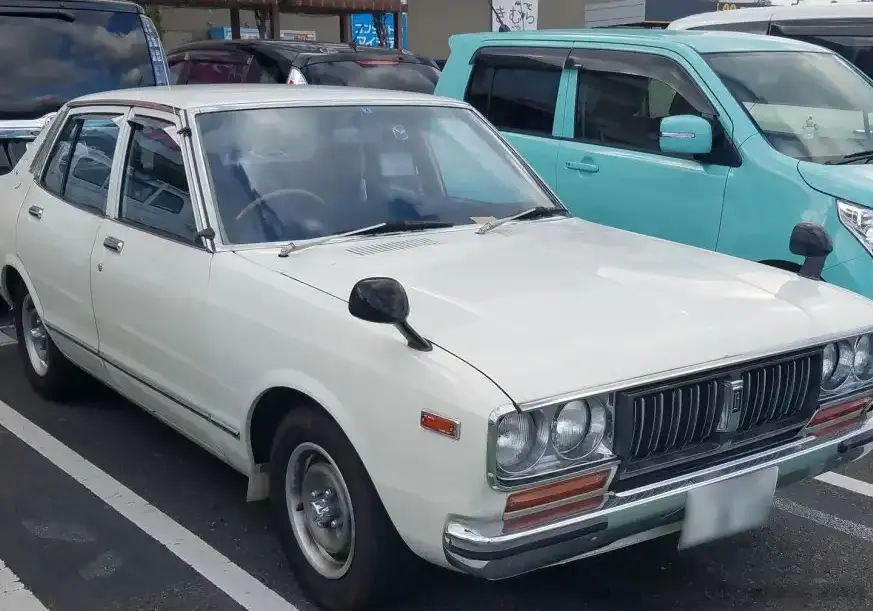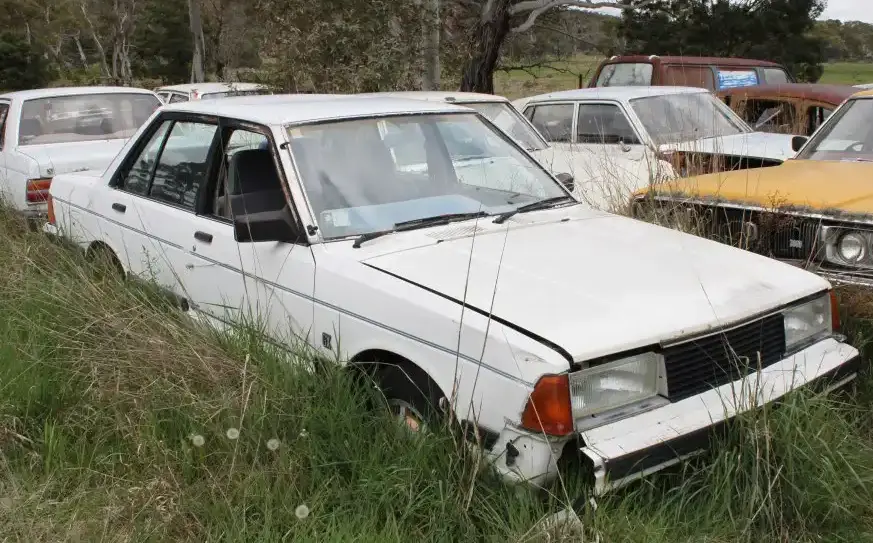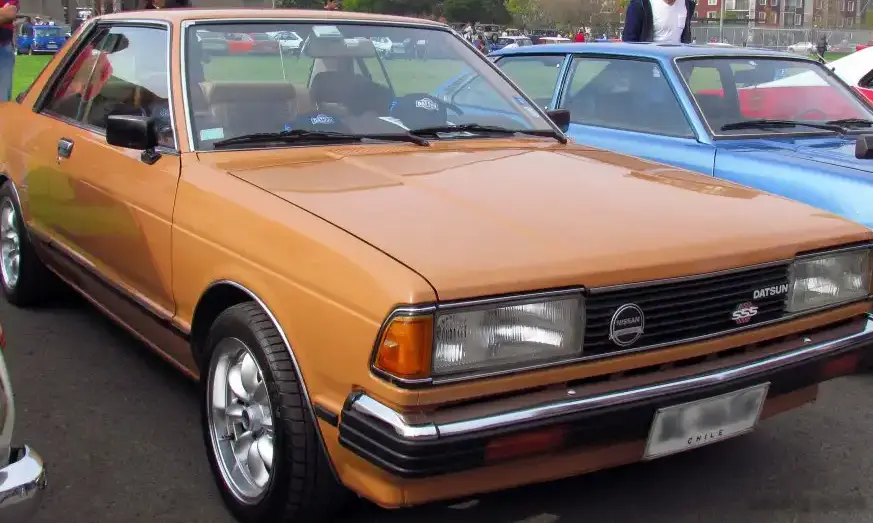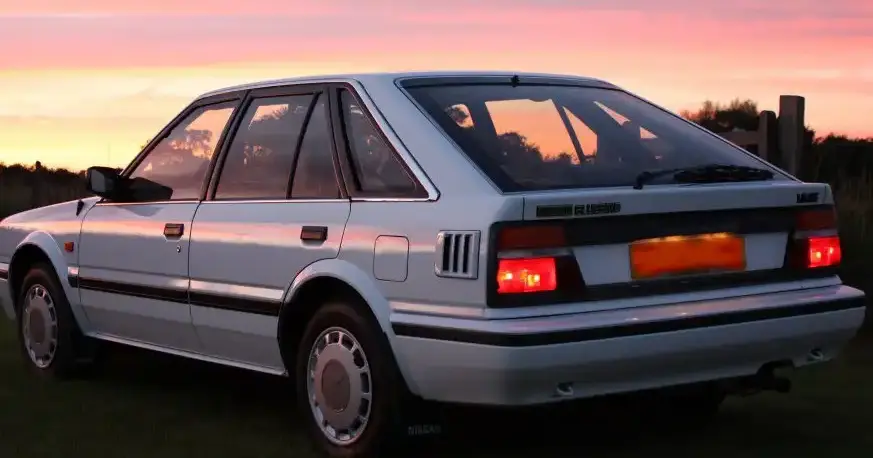
The Nissan Bluebird Hatchback (T72, T12) 1.8 i 16V (FRLT72), produced between 1989 and 1990, represented a significant offering in Nissan’s lineup during a period of increasing competition in the compact hatchback segment. This variant, powered by a 1.8-liter, 16-valve engine producing 129 horsepower, aimed to provide a balance of performance and practicality for buyers seeking a comfortable and relatively modern vehicle. It was positioned as a step up from the base models, offering increased power and refinement compared to smaller displacement engines available in the Bluebird range. The T72/T12 generation Bluebird was primarily marketed in Japan and Australia, with limited export to other markets, making it a relatively uncommon sight in North America.
Technical Specifications
| Brand | Nissan |
| Model | Bluebird |
| Generation | Bluebird Hatchback (T72, T12) |
| Type (Engine) | 1.8 i 16V (FRLT72) (129 Hp) |
| Start of Production | 1989 |
| End of Production | 1990 |
| Powertrain Architecture | Internal Combustion Engine |
| Body Type | Hatchback |
| Seats | 5 |
| Doors | 5 |
| Fuel Type | Petrol (Gasoline) |
| Power | 129 Hp |
| Engine Aspiration | Naturally Aspirated |
| Drivetrain | Front Wheel Drive |
Powertrain & Engine Architecture
The heart of the Bluebird 1.8 i 16V was the FRLT72 engine, a 1.8-liter (1808cc) inline-four cylinder gasoline engine. This engine featured a 16-valve cylinder head, a significant upgrade over earlier Bluebird engines with fewer valves per cylinder. The 16-valve design allowed for improved breathing and higher engine speeds, contributing to the 129 horsepower output. Fuel delivery was managed by a multi-point fuel injection system, enhancing efficiency and reducing emissions compared to carbureted engines. The engine utilized a single overhead camshaft (SOHC) configuration, a common design for its time, balancing cost-effectiveness with performance. While specific details regarding the engine management system are scarce, it was a relatively advanced system for the late 1980s, incorporating electronic ignition and knock sensing. The engine was paired with a four-speed automatic transmission, offering convenient operation for everyday driving. This transmission was designed to provide smooth shifts and acceptable acceleration, though it wasn’t geared for particularly sporty performance.
Driving Characteristics
The 1.8-liter engine and automatic transmission combination in the Bluebird Hatchback delivered a comfortable and predictable driving experience. Acceleration was adequate for typical commuting and highway driving, but it wasn’t particularly brisk. The automatic transmission, while smooth, did contribute to some power loss compared to the available manual transmission options. Gear ratios were tuned for fuel efficiency and ease of use, rather than outright performance. The car felt stable and well-balanced, thanks to its front-wheel-drive layout and relatively lightweight construction. Steering was light and responsive, making it easy to maneuver in urban environments. Compared to the lower-displacement Bluebird models, the 1.8 i 16V offered noticeably more power, especially when overtaking or climbing hills. However, it didn’t possess the sporty character of some of its competitors, such as the Mazda 323 or Toyota Corolla GT.
Equipment & Trim Levels
The Bluebird 1.8 i 16V typically came equipped with a reasonable level of standard features for its time. These included power steering, central locking, and an AM/FM radio. Interior upholstery was typically cloth, with a relatively simple and functional design. Higher trim levels offered options such as electric windows, a sunroof, and upgraded audio systems. The dashboard layout was straightforward and easy to use, with clearly labeled controls. Air conditioning was often an optional extra, depending on the specific market and trim level. The overall interior ambiance was comfortable and practical, prioritizing functionality over luxury. The exterior styling was conservative and understated, typical of Japanese cars of the late 1980s.
Chassis & Braking
The Bluebird Hatchback utilized a MacPherson strut front suspension and a torsion beam rear suspension. This setup provided a good balance of ride comfort and handling. The front suspension offered responsive steering and decent cornering ability, while the rear torsion beam kept the car stable and predictable. Braking was typically accomplished with front disc brakes and rear drum brakes. While adequate for normal driving conditions, the rear drum brakes weren’t as effective as disc brakes, particularly during hard braking or repeated stops. Anti-lock braking system (ABS) was not a standard feature on most Bluebird models, though it may have been available as an option on some higher trim levels. Stabilizer bars were fitted to both the front and rear axles, helping to reduce body roll during cornering.
Market Reception & Comparison
The Nissan Bluebird 1.8 i 16V was generally well-received by automotive critics as a practical and reliable family car. It was praised for its comfortable ride, spacious interior, and fuel efficiency. However, it was often criticized for its somewhat bland styling and lack of sporty character. Compared to other models in the same segment, such as the Toyota Corolla and Mazda 323, the Bluebird offered a competitive level of features and performance at a reasonable price. The 1.8-liter engine provided a noticeable improvement in performance over the smaller displacement engines, but it wasn’t as powerful as some of the more performance-oriented options available from other manufacturers. Fuel economy was respectable, averaging around 28-32 mpg in mixed driving conditions. Reliability was generally good, with the FRLT72 engine proving to be a durable and long-lasting unit.
Legacy
The Nissan Bluebird Hatchback (T72, T12) 1.8 i 16V, while not a particularly iconic or widely recognized model, holds a place in automotive history as a representative of the late 1980s Japanese compact hatchback. The FRLT72 engine proved to be a reliable and durable powertrain, and many examples are still on the road today. In the used car market, these Bluebirds are often sought after by enthusiasts looking for a classic Japanese car that is relatively affordable and easy to maintain. Parts availability can be a challenge in some regions, but many common components are still available through aftermarket suppliers. The car’s simple mechanical design and robust construction contribute to its long-term reliability and make it a popular choice for restoration projects. While it may not offer the performance or prestige of some other classic cars, the Bluebird 1.8 i 16V remains a practical and enjoyable vehicle for those who appreciate its understated charm and dependable nature.