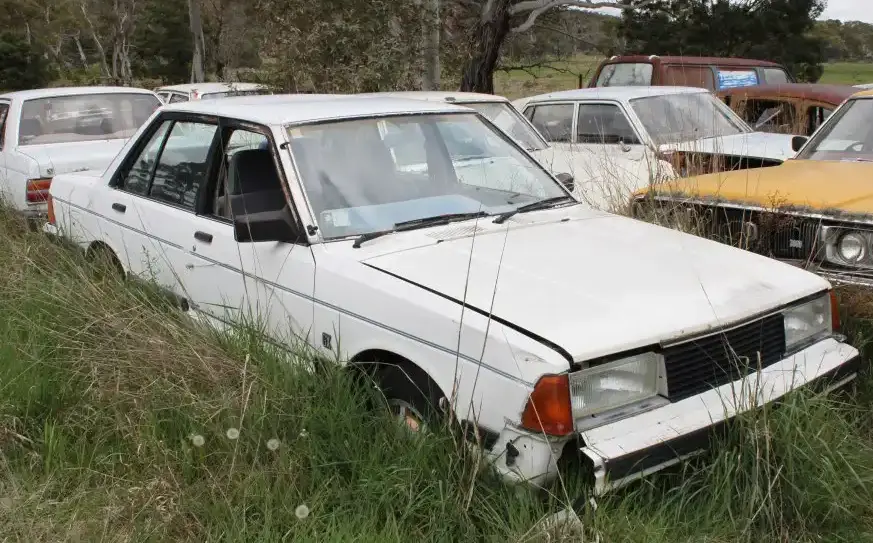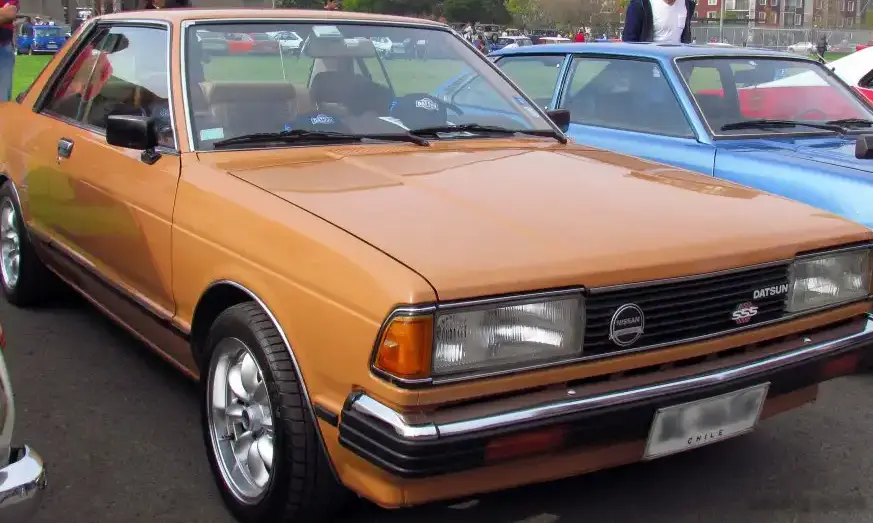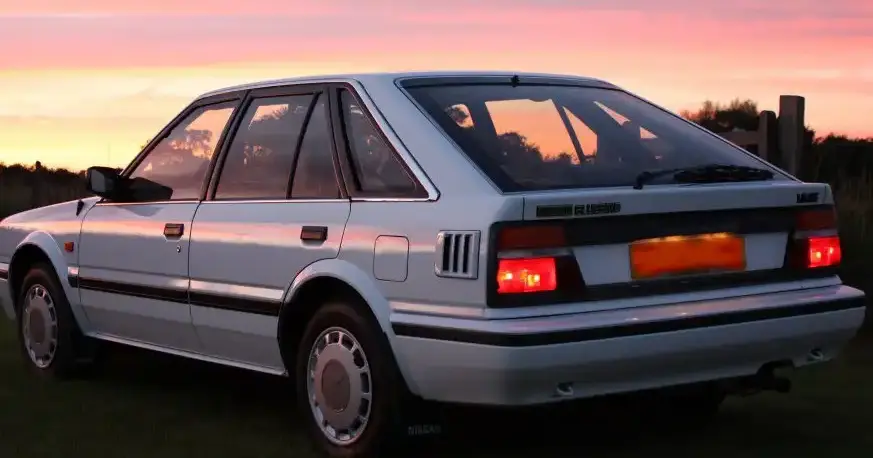
The Nissan Bluebird Hatchback, specifically the T72 and T12 series produced between 1985 and 1990, represented Nissan’s entry into the increasingly popular compact hatchback market. This generation of Bluebird, while not widely known in North America, was a significant model for Nissan in markets like Japan, Australia, and parts of Europe. The 2.0i variant, designated FHLT72 and T12, with its 105 horsepower engine, occupied a middle ground in the Bluebird lineup, offering a balance between performance and economy. It aimed to appeal to buyers seeking a practical, reliable, and reasonably well-equipped family vehicle.
Technical Specifications
| Brand | Nissan |
| Model | Bluebird |
| Generation | Bluebird Hatchback (T72, T12) |
| Type (Engine) | 2.0 i (FHLT72, T12) (105 Hp) |
| Start of Production | 1985 |
| End of Production | 1990 |
| Powertrain Architecture | Internal Combustion Engine |
| Body Type | Hatchback |
| Seats | 5 |
| Doors | 5 |
| Fuel Type | Petrol (Gasoline) |
| Power | 105 Hp |
| Engine Aspiration | Naturally Aspirated |
| Drivetrain | Front Wheel Drive |
Powertrain & Engine Architecture
The heart of the Bluebird 2.0i was Nissan’s GA20 engine, a 1991cc (2.0-liter) inline-four cylinder gasoline engine. This engine was a naturally aspirated design, meaning it did not utilize a turbocharger or supercharger. The GA20 featured a cast iron block and an aluminum cylinder head, a common configuration for engines of this era aiming for durability and weight reduction. Fuel delivery was managed by a carburetor system, typical for vehicles of this period, though later iterations saw the introduction of electronic fuel injection. The engine employed a single overhead camshaft (SOHC) valvetrain, operating two valves per cylinder. This configuration provided a good balance between simplicity, reliability, and adequate performance. The GA20 engine was known for its relatively smooth operation and decent low-end torque, making it suitable for everyday driving. The transmission paired with the 2.0i engine was typically a four-speed automatic, designed for ease of use and comfort. Manual transmission options were available in other Bluebird trims, but the automatic was a popular choice for this specific variant, targeting buyers who prioritized convenience.
Driving Characteristics
The 105 horsepower output of the GA20 engine in the Bluebird 2.0i automatic translated to adequate, but not particularly sporty, performance. Acceleration was respectable for the time, with a 0-60 mph time estimated around 11-12 seconds. The four-speed automatic transmission, while providing smooth shifts, did contribute to some power loss compared to a manual gearbox. The gear ratios were tuned for fuel efficiency and comfortable cruising rather than aggressive acceleration. In real-world driving, the Bluebird 2.0i felt most at home during highway driving, where the engine could comfortably maintain speed. City driving required more planning when overtaking or merging, as the engine lacked the immediate response of higher-output variants. Compared to the smaller 1.6-liter Bluebird models, the 2.0i offered noticeably more power and torque, making it a better choice for carrying passengers or cargo. However, it didn’t possess the sharper handling or more powerful engine found in some of Nissan’s sportier offerings of the time, such as the Pulsar GTi.
Equipment & Trim Levels
The Bluebird 2.0i typically came with a reasonable level of standard equipment, positioning it as a mid-range offering within the Bluebird lineup. Standard features often included power steering, cloth upholstery, a basic AM/FM radio, and manual windows. Higher trim levels, available as optional packages, could add features like air conditioning, upgraded sound systems, power windows, and central locking. Interior upholstery was generally durable and practical, designed to withstand the rigors of family use. The dashboard layout was functional and straightforward, with clearly labeled controls. The overall interior ambiance was comfortable but not luxurious. Exterior features typically included steel wheels with hubcaps, body-colored bumpers, and basic exterior trim. Optional extras could include alloy wheels, a sunroof, and upgraded paint colors.
Chassis & Braking
The Bluebird Hatchback utilized a front-engine, front-wheel-drive layout. The suspension system consisted of MacPherson struts at the front and a semi-independent torsion beam at the rear. This setup provided a comfortable ride quality, absorbing bumps and imperfections in the road reasonably well. The torsion beam rear suspension was a cost-effective solution, but it didn’t offer the same level of handling precision as a fully independent rear suspension. Braking duties were typically handled by disc brakes at the front and drum brakes at the rear. This configuration was common for vehicles in this price range during the 1980s. Power assistance was generally provided for the brakes, making them easy to modulate. Stabilizer bars were often included at both the front and rear to reduce body roll during cornering.
Market Reception & Comparison
The Nissan Bluebird 2.0i Hatchback received generally positive reviews from automotive critics in its target markets. It was praised for its reliability, fuel efficiency, and comfortable ride. However, it was also noted that its performance was not particularly exciting, and its styling was somewhat conservative. Compared to other vehicles in its class, such as the Toyota Corolla and Honda Civic, the Bluebird offered a competitive package, particularly in terms of interior space and build quality. Fuel economy was a strong point, with the 2.0i engine achieving around 25-30 mpg in mixed driving conditions. Reliability was also a key strength, with the GA20 engine proving to be a durable and long-lasting unit. The automatic transmission, while not the most efficient, was generally reliable and required minimal maintenance.
Legacy
The Nissan Bluebird Hatchback, including the 2.0i variant, has developed a modest following among classic car enthusiasts. The GA20 engine is known for its robustness and relative simplicity, making it a relatively easy engine to maintain and repair. Parts availability can be a challenge in some regions, but many components are still available through specialist suppliers. In the used car market, Bluebird 2.0i models in good condition are becoming increasingly collectible, particularly those with low mileage and original features. While not a high-performance icon, the Bluebird 2.0i represents a solid and dependable family car from the 1980s, offering a glimpse into a bygone era of automotive engineering. Its enduring appeal lies in its practicality, reliability, and understated charm.