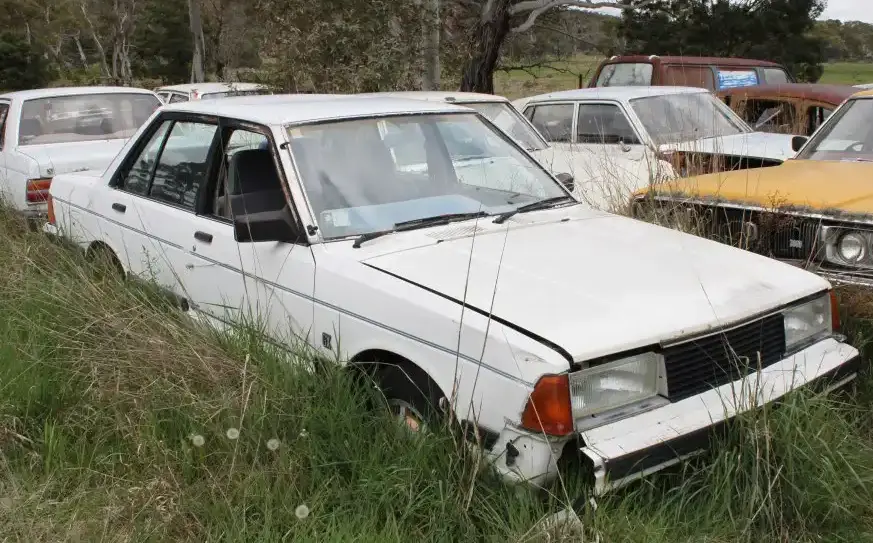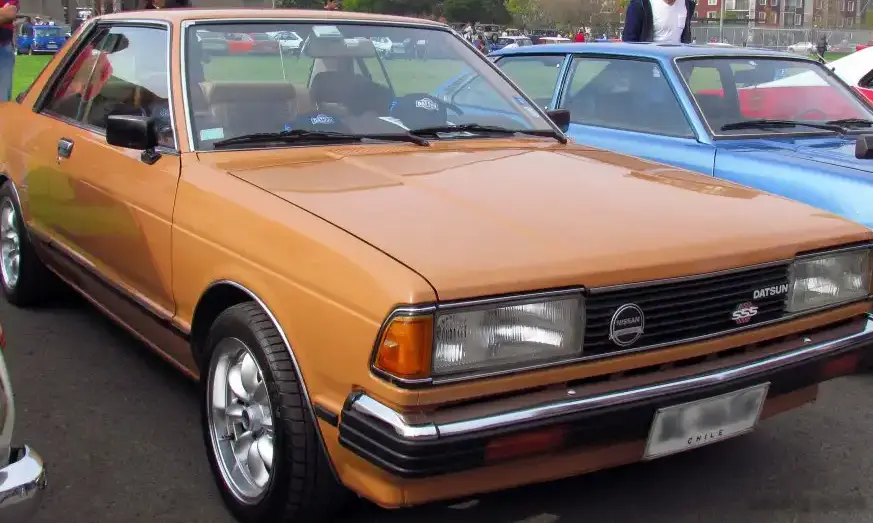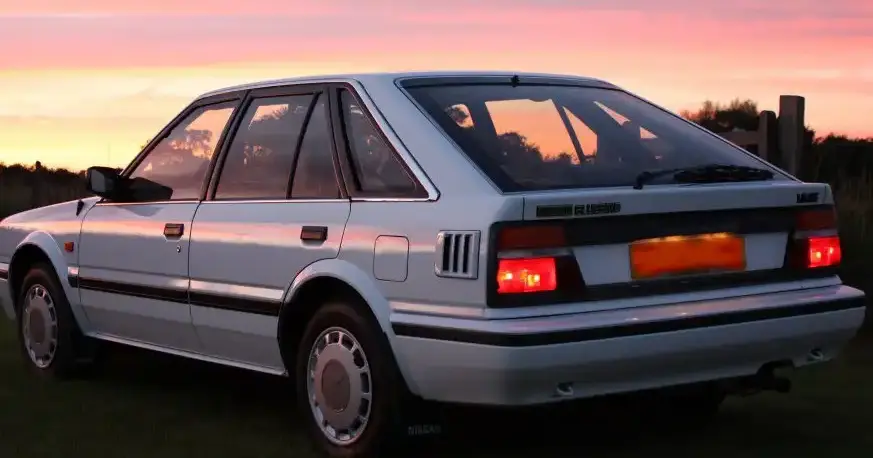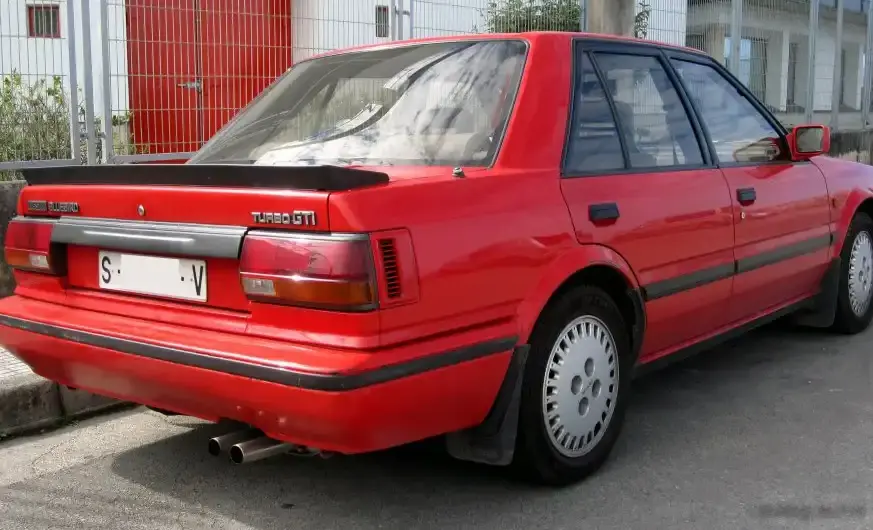
The Nissan Bluebird T72, produced between 1989 and 1990, represented a significant evolution of Nissan’s mid-size sedan. Within the broader T72/T12 Bluebird generation, the 1.8 i 16V (RLT72) variant, producing 129 horsepower, occupied a middle ground in the lineup, offering a balance between performance and affordability. This model was primarily aimed at the Japanese domestic market (JDM) and select export markets, competing with other Japanese sedans like the Toyota Corolla and Honda Accord. The T72 series was notable for its relatively modern styling and improved interior comfort compared to its predecessors.
Technical Specifications
| Brand | Nissan |
| Model | Bluebird |
| Generation | Bluebird (T72, T12) |
| Type (Engine) | 1.8 i 16V (RLT72) (129 Hp) |
| Start of Production | 1989 |
| End of Production | 1990 |
| Powertrain Architecture | Internal Combustion Engine |
| Body Type | Sedan |
| Seats | 5 |
| Doors | 4 |
| Fuel Type | Petrol (Gasoline) |
| Power | 129 Hp |
| Engine Aspiration | Naturally Aspirated |
| Drivetrain | Front Wheel Drive |
Powertrain & Engine Architecture
The heart of the Bluebird 1.8 i 16V (RLT72) was Nissan’s GA16DE engine. This 1.8-liter, inline four-cylinder engine featured a 16-valve dual overhead camshaft (DOHC) configuration. The GA16DE was a naturally aspirated engine, relying on conventional port fuel injection for its fuel delivery. This system, while not as advanced as later direct injection technologies, provided reliable performance and reasonable fuel economy for the time. The engine’s block was constructed from cast iron, while the cylinder head was aluminum, contributing to a relatively lightweight design. The RLT72 designation indicates a specific tuning of the GA16DE, optimized for a balance of power and efficiency. The engine was paired with a four-speed automatic transmission, a common choice for buyers prioritizing convenience over outright performance. This transmission was electronically controlled, offering smoother shifts compared to older hydraulic systems.
Driving Characteristics
The 129 horsepower output of the GA16DE, coupled with the four-speed automatic transmission, resulted in a driving experience geared towards comfortable cruising rather than spirited acceleration. While not a particularly fast car by modern standards, the Bluebird 1.8 i 16V offered adequate power for everyday driving situations. The automatic transmission’s gear ratios were tuned for fuel efficiency, meaning that the engine often operated at lower RPMs during highway driving. Compared to the manual transmission versions of the Bluebird, the automatic suffered a slight performance penalty due to the inherent power loss within the torque converter. However, the automatic provided a smoother and more relaxed driving experience, particularly in urban traffic. The front-wheel-drive configuration provided predictable handling, although it lacked the dynamic capabilities of rear-wheel-drive vehicles.
Equipment & Trim Levels
The Bluebird 1.8 i 16V (RLT72) typically came equipped with a reasonable level of standard features. These included power steering, air conditioning, and an AM/FM radio. Interior upholstery was typically cloth, with a relatively simple and functional dashboard layout. Higher trim levels, often denoted by additional suffixes in the model code, offered upgrades such as power windows, power door locks, and a more sophisticated audio system. Optional extras could include a sunroof, alloy wheels, and upgraded interior trim materials. The RLT72 trim generally represented a mid-range offering, positioned above the base models but below the more luxurious variants. The interior design prioritized practicality and ease of use, with clearly labeled controls and comfortable seating.
Chassis & Braking
The Bluebird T72 utilized a conventional front-wheel-drive chassis layout. The front suspension consisted of MacPherson struts, while the rear suspension employed a twist-beam axle. This suspension setup provided a comfortable ride quality, although it wasn’t particularly sporty. Braking duties were handled by disc brakes on the front wheels and drum brakes on the rear wheels. This configuration was common for vehicles in this price range during the late 1980s and early 1990s. The braking system was not particularly powerful by modern standards, but it was adequate for normal driving conditions. Stabilizer bars were fitted to both the front and rear axles to reduce body roll during cornering.
Market Reception & Comparison
The Nissan Bluebird 1.8 i 16V (RLT72) was generally well-received by critics as a practical and reliable family sedan. It offered a good balance of features, fuel economy, and affordability. However, it wasn’t considered a particularly exciting or sporty vehicle. Compared to other trims in the Bluebird lineup, the 1.8 i 16V automatic offered a compromise between the base models’ fuel efficiency and the higher-output engines’ performance. The 1.8L engine provided a noticeable step up in power compared to the smaller 1.6L engine, while remaining more affordable than the larger 2.0L options. Fuel economy was respectable for the time, averaging around 25-30 miles per gallon in mixed driving conditions. Reliability was a strong point for the Bluebird, with the GA16DE engine proving to be a durable and long-lasting unit.
Legacy
The Nissan Bluebird T72, and specifically the 1.8 i 16V (RLT72) variant, has maintained a reasonable reputation for reliability in the used car market. The GA16DE engine is known for its longevity, and parts availability remains relatively good, although some components may be becoming increasingly difficult to find. These cars are often sought after by enthusiasts looking for a classic Japanese sedan that is relatively easy to maintain. While not a collector’s item, well-maintained examples of the Bluebird 1.8 i 16V can still provide years of reliable service. The T72 generation Bluebird represents a transitional period in automotive design, bridging the gap between the boxy styling of the 1980s and the more aerodynamic designs of the 1990s. Its enduring appeal lies in its simplicity, reliability, and comfortable driving experience.