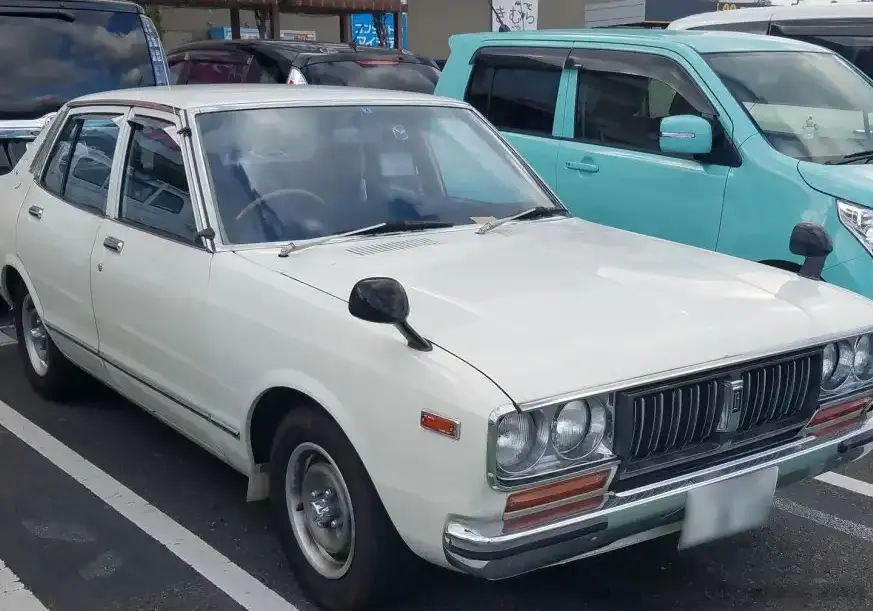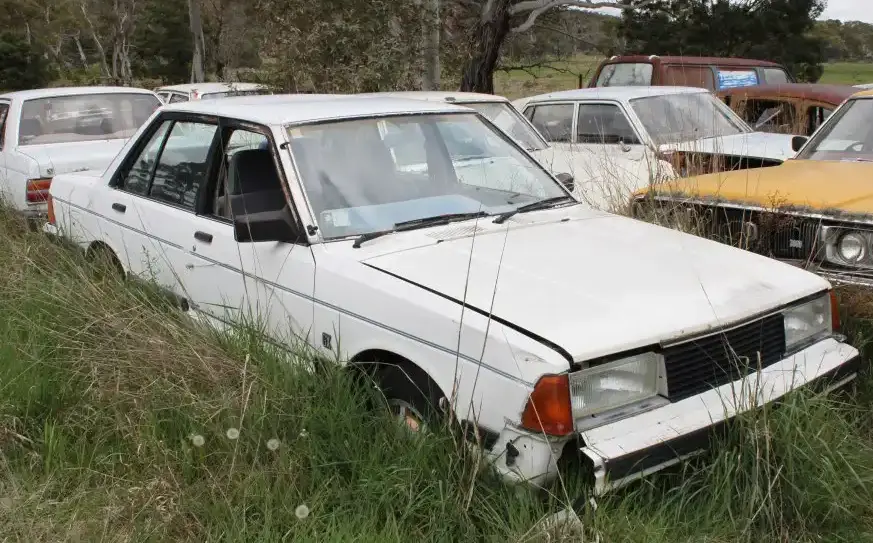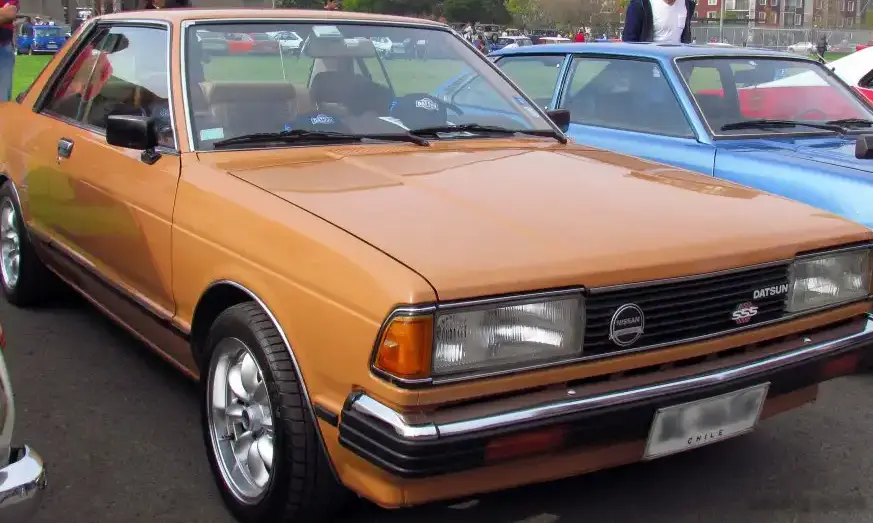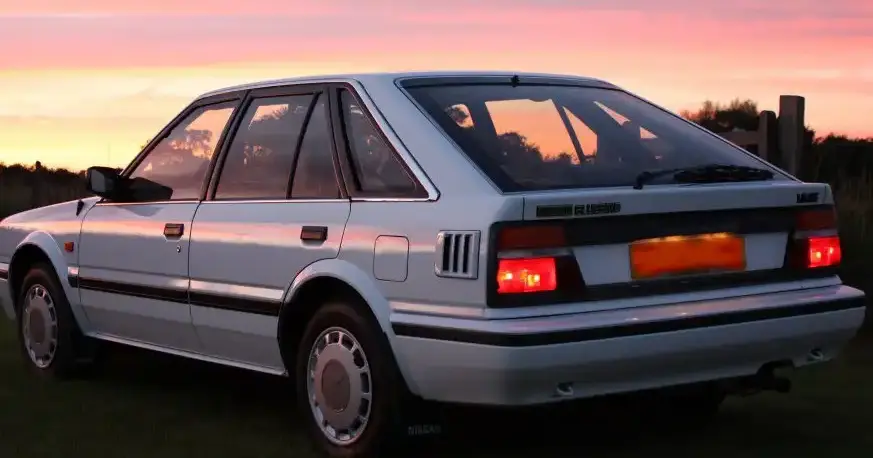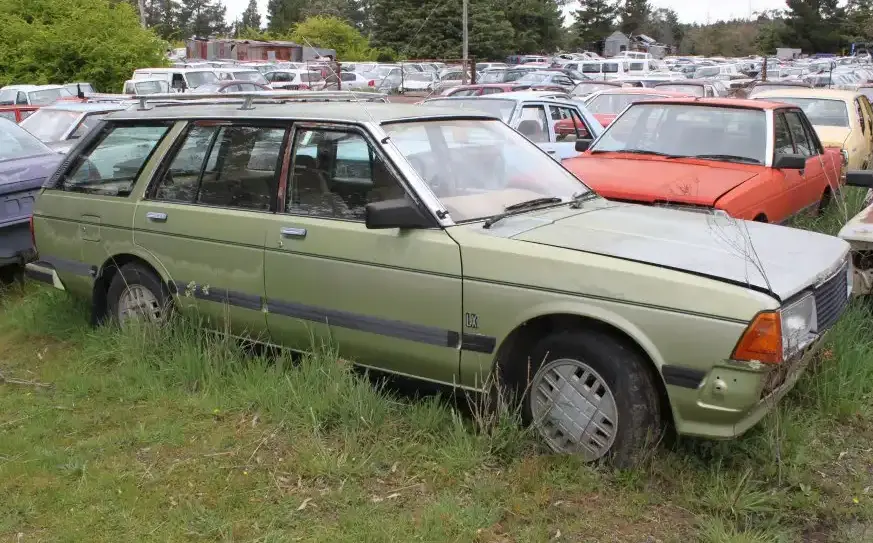
The Nissan Bluebird Traveller (W910) 1.8, produced between 1980 and 1984, represented a practical and family-oriented offering within the broader Bluebird range. Part of the W910 generation, the Traveller distinguished itself as the station wagon variant, designed to cater to the growing demand for versatile vehicles in the Japanese domestic market and export markets like Australia and parts of Europe. This 1.8-liter, 88 horsepower version occupied a mid-range position in the Traveller lineup, offering a balance between affordability, fuel economy, and usability. It served as a step up from the smaller displacement engines, while remaining more accessible than the higher-performance options available.
Technical Specifications
| Brand | Nissan |
| Model | Bluebird |
| Generation | Bluebird Traveller (W910) |
| Type (Engine) | 1.8 (88 Hp) |
| Start of Production | 1980 |
| End of Production | 1984 |
| Powertrain Architecture | Internal Combustion Engine |
| Body Type | Station Wagon (Estate) |
| Seats | 5 |
| Doors | 5 |
| Fuel Type | Petrol (Gasoline) |
| Engine Power | 88 Hp @ 5200 rpm |
| Engine Aspiration | Naturally Aspirated |
| Drivetrain | Front Wheel Drive |
Powertrain & Engine Architecture
The heart of the Bluebird Traveller 1.8 was Nissan’s 1798cc (approximately 1.8 liters) inline-four cylinder engine. This engine, typically designated as the H18 series, was a relatively simple and robust design, reflecting the engineering philosophies of the early 1980s. It featured a single overhead camshaft (SOHC) valvetrain, operating two valves per cylinder. Fuel delivery was managed by a carburetor, a common feature for vehicles of this era, rather than fuel injection. The carburetor provided adequate fuel atomization for the engine’s modest power output. The engine’s 88 horsepower peak was achieved at 5200 rpm, and it produced around 128 lb-ft of torque. This engine was paired with a three-speed automatic transmission, a popular choice for buyers prioritizing convenience over outright performance. The automatic transmission was a conventional hydraulic unit, offering smooth, if not particularly quick, shifts.
Driving Characteristics
The 1.8-liter engine and automatic transmission combination in the Bluebird Traveller resulted in a driving experience geared towards comfort and practicality. Acceleration was adequate for everyday driving, but not particularly brisk. The automatic transmission’s gear ratios were optimized for fuel efficiency and smooth cruising, rather than spirited performance. Compared to the available manual transmission versions, the automatic noticeably reduced responsiveness. The manual transmission offered a more engaging driving experience and slightly improved fuel economy. Compared to larger-displacement Bluebird engines (like the 2.0-liter), the 1.8 felt less powerful, especially when fully loaded with passengers and cargo. However, the automatic transmission made it a more accessible option for drivers less comfortable with a manual gearbox. The front-wheel-drive configuration provided reasonable handling, although it wasn’t particularly sporty. The suspension was tuned for ride comfort, absorbing bumps and imperfections in the road reasonably well.
Equipment & Trim Levels
The Bluebird Traveller 1.8 typically came equipped with a reasonable level of standard features for its time. Interior appointments generally included cloth upholstery, a basic dashboard layout with analog gauges, and a two-speaker AM/FM radio. Power steering was often included, enhancing ease of maneuverability, particularly in urban environments. Air conditioning was frequently offered as an optional extra, a desirable feature in warmer climates. Trim levels varied depending on the market, but generally, the 1.8 model sat in the middle of the range. Higher trim levels might have included features like upgraded upholstery, a more sophisticated radio, and additional exterior trim. The Traveller’s spacious interior and large cargo area were key selling points, making it a practical choice for families. The rear seats could be folded down to create even more cargo space.
Chassis & Braking
The Bluebird Traveller (W910) utilized a conventional body-on-frame construction, which was common for station wagons of this era. The front suspension consisted of MacPherson struts, while the rear suspension employed a solid axle with leaf springs. This setup prioritized ride comfort and load-carrying capacity over sporty handling. Braking was typically accomplished with disc brakes on the front wheels and drum brakes on the rear. The braking system was adequate for normal driving conditions, but lacked the stopping power of more modern systems. Stabilizer bars (anti-roll bars) were often included to reduce body roll during cornering, improving handling stability. The W910’s chassis was designed to provide a comfortable and stable platform for carrying passengers and cargo.
Market Reception & Comparison
The Nissan Bluebird Traveller 1.8 was generally well-received as a practical and reliable family vehicle. Critics praised its spacious interior, comfortable ride, and reasonable fuel economy. However, some reviewers noted that its performance was somewhat underwhelming, particularly with the automatic transmission. Compared to other station wagons of the time, such as the Toyota Corolla Wagon and the Mazda Familia Wagon, the Bluebird Traveller offered a competitive combination of features and value. The 1.8-liter engine provided a good balance between power and fuel efficiency, making it a popular choice for buyers who didn’t require the extra performance of the larger-displacement engines. Fuel economy was typically in the range of 25-30 mpg, depending on driving conditions. Reliability was generally good, although routine maintenance was essential to ensure long-term durability.
Legacy
The Nissan Bluebird Traveller (W910) 1.8, while not a particularly groundbreaking vehicle, holds a significant place in automotive history as a representative of the practical and reliable family cars of the early 1980s. The H18 engine proved to be a durable and long-lasting unit, and many examples are still on the road today. In the used car market, these vehicles are often sought after by enthusiasts and collectors who appreciate their simplicity and classic styling. While parts availability can be a challenge, the Bluebird Traveller’s robust construction and relatively straightforward mechanical design make it a relatively easy vehicle to maintain and repair. The 1.8-liter automatic combination remains a popular choice among those seeking a comfortable and affordable classic station wagon.