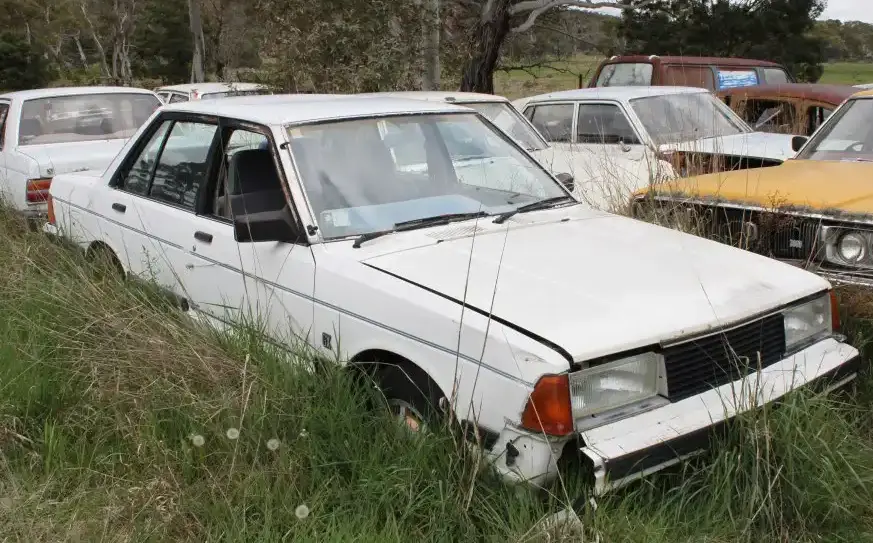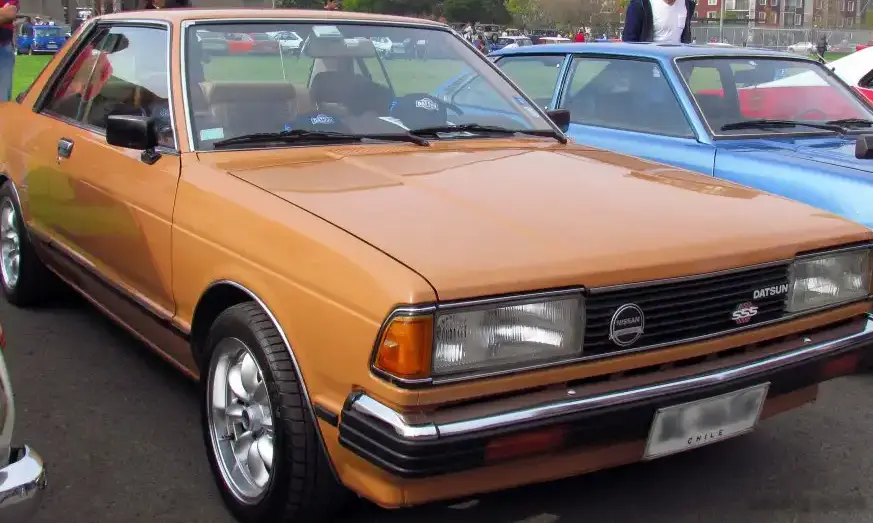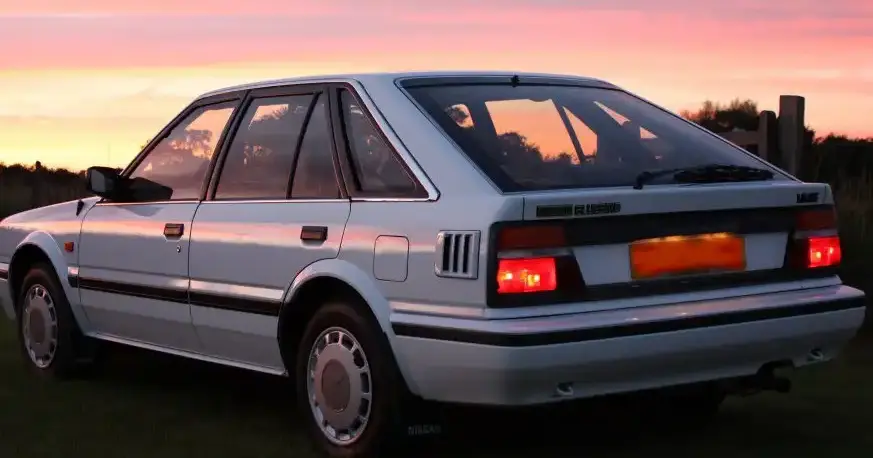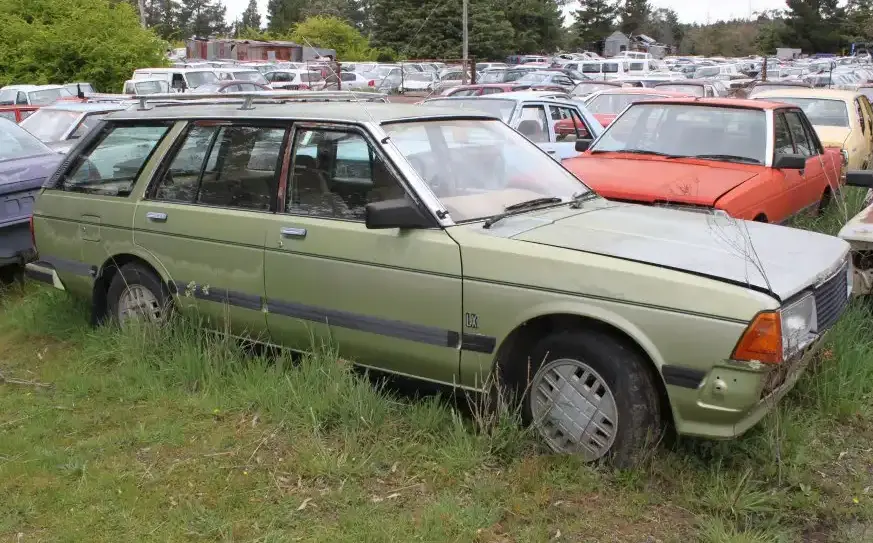
The Nissan Bluebird Traveller (W910) 2.0 D, produced between 1980 and 1984, represented a practical and economical offering within the broader Bluebird Traveller range. This variant, a five-door station wagon, was specifically geared towards buyers prioritizing fuel efficiency and load-carrying capacity over outright performance. Positioned as the entry-level diesel option, it served as a workhorse for families and businesses alike, particularly in markets where diesel fuel was readily available and cost-effective. The W910 series Bluebird Traveller was Nissan’s attempt to compete in the growing European and Asian station wagon market, offering a blend of Japanese reliability and practicality. It was a significant model for Nissan, expanding their presence beyond traditional sedan offerings.
Technical Specifications
| Brand | Nissan |
| Model | Bluebird |
| Generation | Bluebird Traveller (W910) |
| Type (Engine) | 2.0 D (60 Hp) |
| Start of Production | 1980 |
| End of Production | 1984 |
| Powertrain Architecture | Internal Combustion Engine |
| Body Type | Station Wagon (Estate) |
| Seats | 5 |
| Doors | 5 |
| Fuel Type | Diesel |
| Power | 60 Hp |
| Engine Aspiration | Naturally Aspirated |
| Drivetrain | Front Wheel Drive |
Powertrain & Engine Architecture
The heart of the Bluebird Traveller 2.0 D was a naturally aspirated, inline-four cylinder diesel engine, displacing 1998cc (approximately 2.0 liters). While specific engine codes varied depending on the market, it generally featured indirect injection. This system, common for diesel engines of the era, involved injecting fuel into a pre-chamber before it entered the main combustion chamber, promoting more complete combustion and reducing noise. The engine utilized a robust cast iron block and head, designed for longevity and durability. The valvetrain employed a single overhead camshaft (SOHC) configuration, simplifying maintenance and reducing weight compared to overhead valve designs. Power output was rated at 60 horsepower, a modest figure even for the early 1980s, but sufficient for its intended purpose. The engine was mated to a four-speed manual transmission as standard, with an optional three-speed automatic transmission available. The automatic, while offering convenience, further reduced acceleration performance.
Driving Characteristics
The driving experience in the 2.0 D Bluebird Traveller was characterized by its practicality and economy rather than excitement. Acceleration was deliberately slow, with a 0-60 mph time estimated to be well over 15 seconds. The engine produced a relatively narrow powerband, requiring frequent downshifts to maintain momentum, especially when laden with passengers or cargo. The four-speed manual transmission offered a degree of control, allowing drivers to keep the engine within its optimal operating range. However, the automatic transmission, while convenient, exacerbated the sluggishness. Gear ratios were geared towards maximizing fuel efficiency, resulting in a high final drive ratio. The suspension, tuned for comfort, provided a reasonably smooth ride, absorbing bumps and imperfections in the road surface effectively. Steering was light and easy, making it manageable in urban environments, but lacked the precision of more performance-oriented vehicles. Overall, the driving experience was best described as unhurried and functional.
Equipment & Trim Levels
The 2.0 D Bluebird Traveller occupied the base trim level within the range. Standard equipment typically included cloth upholstery, basic instrumentation (speedometer, fuel gauge, temperature gauge), and a two-spoke steering wheel. Heating and ventilation were standard, but air conditioning was often an optional extra. The interior was functional and durable, prioritizing practicality over luxury. Exterior features included steel wheels with hubcaps, black plastic bumpers, and relatively simple exterior trim. Optional extras included upgraded audio systems, power windows, and a sunroof. The dashboard layout was straightforward and easy to use, with clearly labeled controls. The rear seats could be folded down to increase cargo capacity, enhancing the vehicle’s versatility.
Chassis & Braking
The Bluebird Traveller 2.0 D utilized a conventional front-engine, front-wheel-drive layout. The chassis consisted of a body-on-frame construction, providing a robust and durable platform. The front suspension employed MacPherson struts, while the rear suspension featured a solid axle with leaf springs. This setup prioritized load-carrying capacity and ride comfort over handling precision. Braking was typically accomplished with disc brakes on the front wheels and drum brakes on the rear wheels. The braking system was adequate for normal driving conditions, but lacked the stopping power of more modern vehicles. Power steering was not standard on all models, and many examples featured manual steering, requiring more effort at low speeds. Stabilizer bars were often omitted on the base trim level, further contributing to the vehicle’s softer handling characteristics.
Market Reception & Comparison
The Nissan Bluebird Traveller 2.0 D was generally well-received in markets where diesel-powered station wagons were popular, such as Europe and Australia. Critics praised its fuel efficiency, spacious interior, and overall reliability. However, its modest performance was often cited as a drawback. Compared to its gasoline-powered siblings, the 2.0 D offered significantly lower running costs but at the expense of acceleration and refinement. Against competitors like the Ford Sierra Estate and the Vauxhall Cavalier Estate, the Bluebird Traveller offered a competitive package, particularly in terms of reliability and build quality. The 1.6L petrol version offered more power, but at the cost of fuel economy. The diesel was favored by those covering high mileages or requiring a vehicle for commercial use. Fuel economy figures were typically in the range of 40-50 mpg, making it an attractive option for budget-conscious buyers.
Legacy
The Nissan Bluebird Traveller 2.0 D, while not a performance icon, has earned a reputation for its durability and reliability. Many examples remain on the road today, testament to the quality of its construction. The engine, while simple, is known for its longevity, provided it is properly maintained. Parts availability can be a challenge, but many components are still available through specialist suppliers or can be sourced from other Nissan models of the era. In the used car market, these vehicles are often sought after by enthusiasts looking for a classic Japanese car that is both practical and affordable. The 2.0 D variant, in particular, is valued for its fuel efficiency and robust powertrain. It represents a significant chapter in Nissan’s history, demonstrating their commitment to producing reliable and economical vehicles for a global audience. The W910 series, and the 2.0D variant, laid the groundwork for Nissan’s future success in the European and Asian station wagon markets.