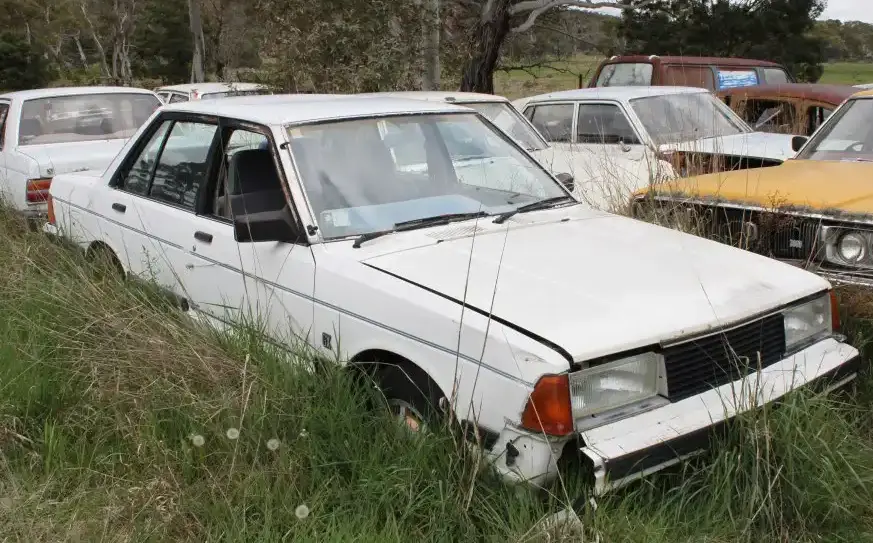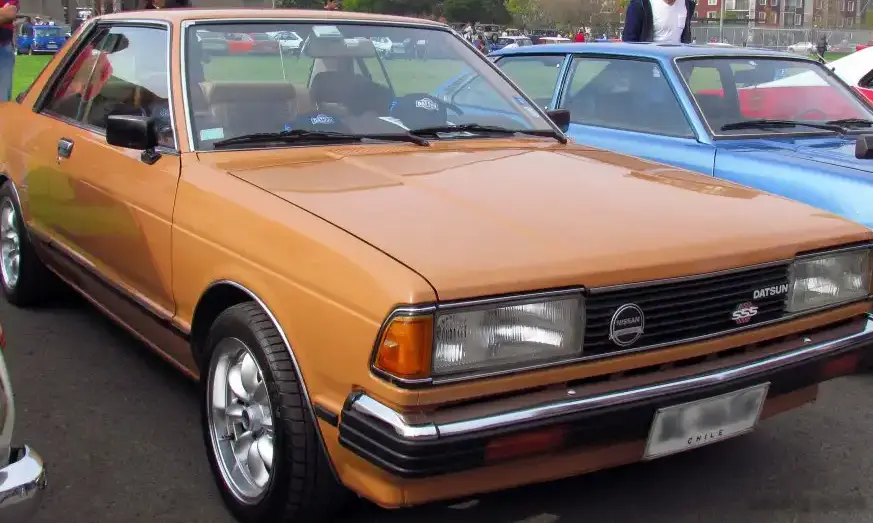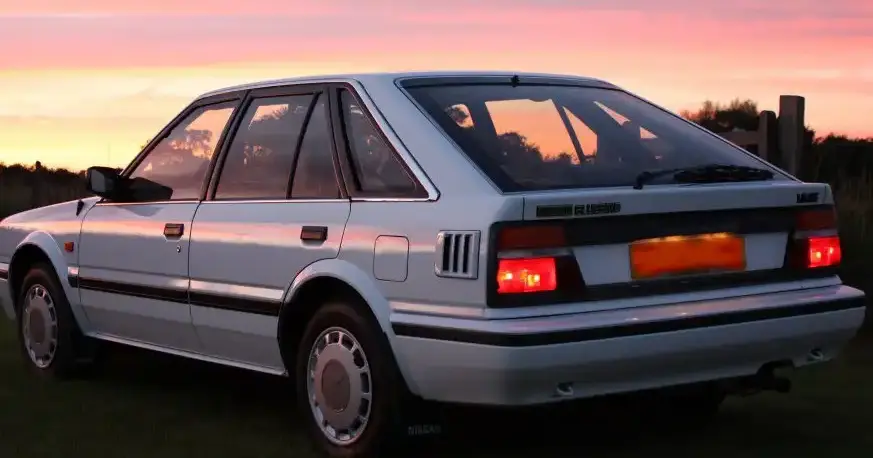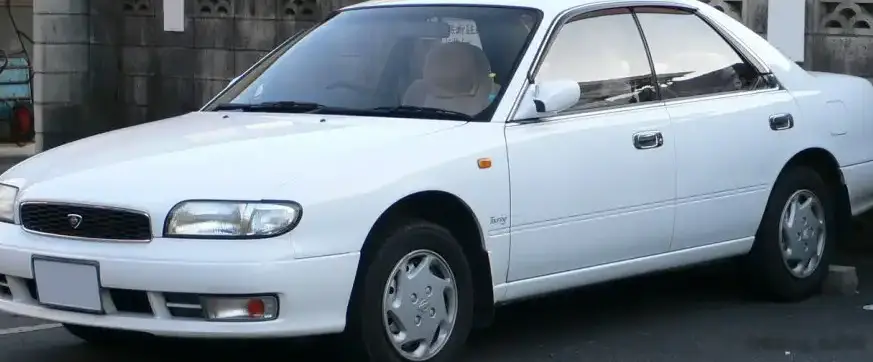
The Nissan Bluebird (U13) 2.0T 4×4, produced between 1991 and 1995, represented a performance-oriented variant within the broader U13 Bluebird generation. The U13 series, sold primarily in Japan and select export markets, aimed to blend practicality with a more engaging driving experience than its predecessors. This 2.0T 4×4 model was positioned as a relatively upscale offering, appealing to buyers seeking a sporty sedan with all-weather capability. It occupied a niche above the standard Bluebird trims, but below the more luxurious and often larger Nissan Cedric and Gloria models.
Technical Specifications
| Brand | Nissan |
| Model | Bluebird |
| Generation | Bluebird (U13) |
| Type | 2.0T (210 Hp) 4×4 |
| Start of production | 1991 |
| End of production | 1995 |
| Powertrain Architecture | Internal Combustion engine |
| Body type | Sedan |
| Seats | 5 |
| Doors | 4 |
| Fuel Type | Petrol (Gasoline) |
| Weight-to-power ratio | 6.7 kg/Hp, 150 Hp/tonne |
| Weight-to-torque ratio | 5.1 kg/Nm, 196.4 Nm/tonne |
| Power | 210 Hp @ 6000 rpm |
| Power per litre | 105.1 Hp/l |
| Torque | 275 Nm @ 4000 rpm, 202.83 lb.-ft. @ 4000 rpm |
| Engine layout | Front, Transverse |
| Engine displacement | 1998 cm3, 121.93 cu. in. |
| Number of cylinders | 4 |
| Engine configuration | Inline |
| Cylinder Bore | 86 mm, 3.39 in. |
| Piston Stroke | 86 mm, 3.39 in. |
| Compression ratio | 10:1 |
| Number of valves per cylinder | 4 |
| Fuel injection system | Multi-port manifold injection |
| Engine aspiration | Turbocharger |
| Kerb Weight | 1400 kg, 3086.47 lbs |
| Fuel tank capacity | 60 l, 15.85 US gal | 13.2 UK gal |
| Length | 4585 mm, 180.51 in. |
| Width | 1695 mm, 66.73 in. |
| Height | 1405 mm, 55.31 in. |
| Wheelbase | 2620 mm, 103.15 in. |
| Front track | 1465 mm, 57.68 in. |
| Rear track | 1455 mm, 57.28 in. |
| Ride height (ground clearance) | 155 mm, 6.1 in. |
| Drive wheel | All wheel drive (4×4) |
| Number of gears and type of gearbox | 5 gears, manual transmission |
| Front brakes | Ventilated discs |
| Rear brakes | Disc |
| Steering type | Steering rack and pinion |
| Tires size | 195/65 R14 |
| Wheel rims size | 14 |
Powertrain & Engine Architecture
The heart of the Bluebird 2.0T 4×4 was the SR20DET engine, a 1998cc, turbocharged inline-four cylinder powerplant. This engine was a significant departure from the naturally aspirated engines found in lower Bluebird trims. The SR20DET featured multi-port fuel injection and a robust turbocharger system, allowing it to produce 210 horsepower at 6000 rpm and 275 Nm (202.83 lb-ft) of torque at 4000 rpm. The engine utilized a 10:1 compression ratio and a DOHC (Double Overhead Camshaft) valvetrain with four valves per cylinder, contributing to its strong performance. The engine’s transverse mounting and all-wheel drive system required a specifically designed transmission and drivetrain layout. The U13 2.0T 4×4 exclusively came with a 5-speed manual transmission, chosen to handle the engine’s output and provide a more engaging driving experience.
Driving Characteristics
The 2.0T 4×4 offered a noticeably different driving experience compared to other Bluebird variants. The turbocharger provided a surge of power in the mid-range, making overtaking and highway cruising effortless. While not a dedicated sports car, the combination of the turbocharged engine, manual transmission, and all-wheel drive delivered a responsive and confident feel. The all-wheel drive system enhanced traction, particularly in wet or slippery conditions, making it a practical choice for regions with inclement weather. The 5-speed manual transmission offered precise gear changes, allowing drivers to fully exploit the engine’s powerband. Compared to a hypothetical automatic version (which wasn’t offered), the manual provided better control and efficiency. The gear ratios were tuned for a balance between acceleration and fuel economy, with a relatively short final drive to maximize responsiveness.
Equipment & Trim Levels
The 2.0T 4×4 trim generally included features such as power windows, power steering, central locking, and an upgraded audio system. Interior upholstery typically consisted of cloth seats, although leather options were sometimes available as factory extras. The dashboard layout was functional and straightforward, with clear instrumentation. Optional extras could include air conditioning, a sunroof, and alloy wheels. The trim level aimed for a balance between comfort and sportiness, offering a more refined interior than the base Bluebird models but lacking the outright luxury of higher-end Nissan offerings.
Chassis & Braking
The U13 Bluebird featured a MacPherson strut front suspension and a multi-link rear suspension. The 2.0T 4×4 variant often received slightly stiffer springs and dampers to improve handling and reduce body roll. Braking duties were handled by ventilated discs on the front wheels and solid discs on the rear. The all-wheel drive system added weight, necessitating a robust braking system to ensure adequate stopping power. The steering was a rack-and-pinion system, providing precise and responsive steering feel. Stabilizer bars were fitted to both the front and rear axles to further enhance handling stability.
Market Reception & Comparison
The Bluebird 2.0T 4×4 was generally well-received by automotive critics in Japan, who praised its performance and handling. It was seen as a compelling alternative to other sporty sedans in its class, such as the Mazda 626 and Honda Accord. Compared to the standard Bluebird trims, the 2.0T 4×4 offered significantly improved acceleration and handling. However, it was also more expensive and consumed more fuel. The 2.0T 4×4 was often compared to the Nissan Skyline, a more popular and performance-focused model. While the Skyline offered more power and a more sophisticated chassis, the Bluebird provided a more affordable and practical option.
Legacy
The SR20DET engine, found in the Bluebird 2.0T 4×4, has gained a strong following among enthusiasts for its durability and tuning potential. The engine is known for its ability to withstand significant power upgrades with relatively minor modifications. Today, the U13 Bluebird 2.0T 4×4 is considered a desirable classic car, particularly among those seeking a well-built and reliable Japanese sedan. Finding well-maintained examples can be challenging, as many have been modified or neglected over the years. However, the combination of its performance, all-wheel drive capability, and relative rarity makes it a sought-after vehicle in the used car market. The SR20DET continues to be a popular engine for swaps into other vehicles, testament to its enduring appeal.