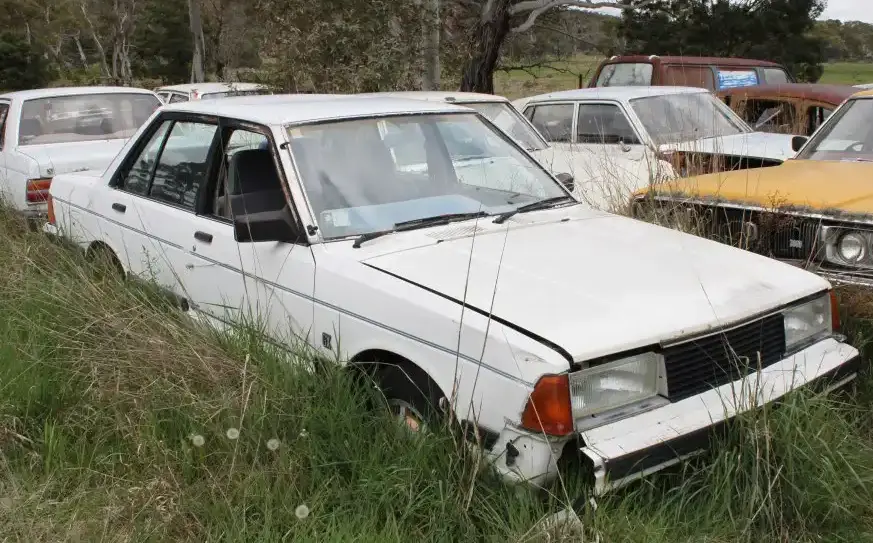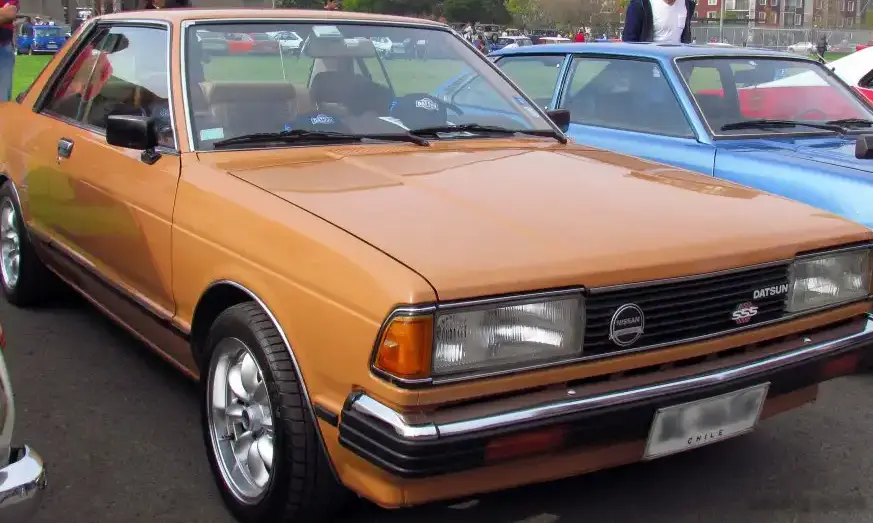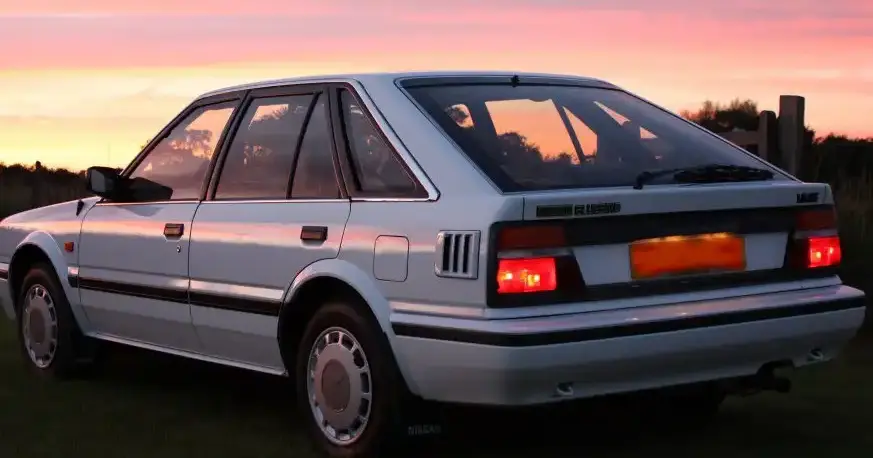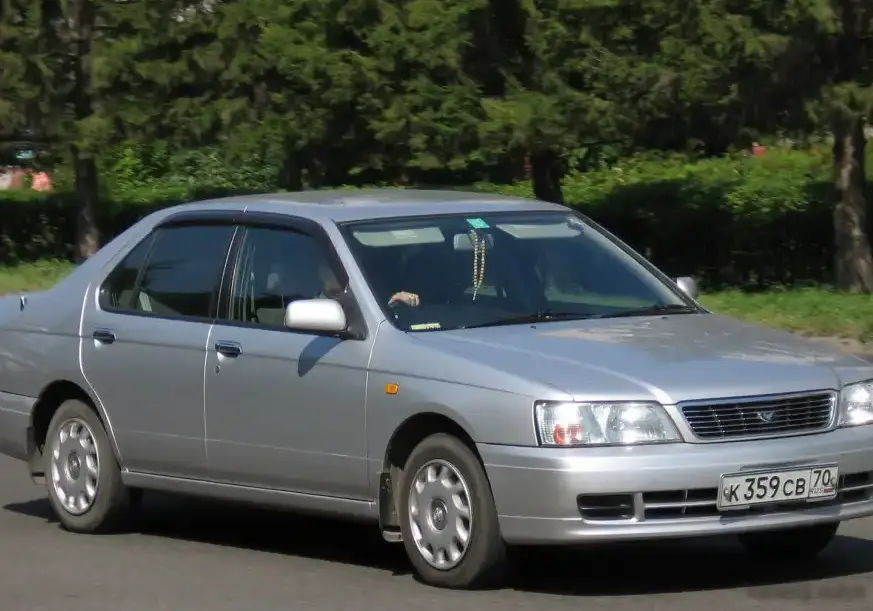
The Nissan Bluebird U14 1.8 Le Grand, produced between 1998 and 2001, represented a significant offering in Nissan’s mid-size sedan lineup. Positioned as a more upscale trim level within the U14 Bluebird generation, the 1.8 Le Grand aimed to provide a balance of comfort, efficiency, and respectable performance. This variant was primarily marketed in Japan and select Asian markets, where the Bluebird enjoyed a long-standing reputation for reliability and practicality. The U14 series, built on Nissan’s FF platform, sought to modernize the Bluebird while retaining its core values. The 1.8 Le Grand, with its Continuously Variable Transmission (CVT), was designed to appeal to buyers seeking a smooth and fuel-efficient driving experience.
Technical Specifications
| Brand | Nissan |
| Model | Bluebird |
| Generation | Bluebird (U14) |
| Type | 1.8 Le grand (130 Hp) CVT |
| Start of production | 1998 |
| End of production | 2001 |
| Powertrain Architecture | Internal Combustion engine |
| Body type | Sedan |
| Seats | 5 |
| Doors | 4 |
| Fuel consumption (urban) | 8.7-11.5 l/100 km (27 – 20.5 US mpg) |
| Fuel consumption (extra urban) | 5.7-7.5 l/100 km (41.3 – 31.4 US mpg) |
| Fuel consumption (combined) | 7.9 l/100 km (29.8 US mpg) |
| Fuel Type | Petrol (Gasoline) |
| Acceleration 0 – 100 km/h | 10.8 sec |
| Acceleration 0 – 62 mph | 10.8 sec |
| Acceleration 0 – 60 mph | 10.3 sec |
| Maximum speed | 189 km/h (117.44 mph) |
| Weight-to-power ratio | 9.6 kg/Hp, 104 Hp/tonne |
| Weight-to-torque ratio | 7.2 kg/Nm, 139.2 Nm/tonne |
| Power | 130 Hp @ 6000 rpm |
| Torque | 174 Nm @ 2800 rpm (128.34 lb.-ft. @ 2800 rpm) |
| Engine layout | Front, Transverse |
| Engine Model/Code | QG18DD |
| Engine displacement | 1769 cm3 (107.95 cu. in.) |
| Number of cylinders | 4 |
| Engine configuration | Inline |
| Cylinder Bore | 80 mm (3.15 in.) |
| Piston Stroke | 88 mm (3.46 in.) |
| Compression ratio | 10.5:1 |
| Number of valves per cylinder | 4 |
| Fuel injection system | Multi-port manifold injection |
| Engine aspiration | Naturally aspirated engine |
| Valvetrain | DOHC |
| Kerb Weight | 1250 kg (2755.78 lbs.) |
| Max. weight | 1525 kg (3362.05 lbs.) |
| Max load | 275 kg (606.27 lbs.) |
| Fuel tank capacity | 60 l (15.85 US gal | 13.2 UK gal) |
| Length | 4565 mm (179.72 in.) |
| Width | 1695 mm (66.73 in.) |
| Height | 1395 mm (54.92 in.) |
| Wheelbase | 2600 mm (102.36 in.) |
| Front track | 1465 mm (57.68 in.) |
| Rear track | 1455 mm (57.28 in.) |
| Ride height (ground clearance) | 140 mm (5.51 in.) |
| Drag coefficient (Cd) | 0.32 |
| Minimum turning circle | 10.4 m (34.12 ft.) |
| Drivetrain Architecture | Front wheel drive |
| Number of gears | 1 (CVT) |
| Front brakes | Ventilated discs |
| Rear brakes | Drum |
| Steering type | Steering rack and pinion |
| Tires size | 185/65 R14 |
| Wheel rims size | 14 |
Powertrain & Engine Architecture
The heart of the Bluebird 1.8 Le Grand is the QG18DD engine, a 1.8-liter inline-four cylinder gasoline engine. This engine is part of Nissan’s QG series, known for its relatively lightweight construction and good fuel efficiency. The QG18DD utilizes a multi-port fuel injection system and a double overhead camshaft (DOHC) valvetrain, contributing to its smooth operation and decent power output. The engine produces 130 horsepower at 6000 rpm and 174 Nm (128.34 lb-ft) of torque at 2800 rpm. A key feature of this variant is the use of a Continuously Variable Transmission (CVT). Nissan’s early CVT designs, while offering seamless gear changes and improved fuel economy, were not known for their sporty feel. The CVT in the U14 Bluebird prioritizes efficiency and comfort over aggressive acceleration.
Driving Characteristics
The 1.8 Le Grand’s driving experience is characterized by its smoothness and ease of use. The CVT eliminates traditional gear shifts, resulting in a linear power delivery. While acceleration isn’t particularly brisk – 0-60 mph takes around 10.3 seconds – it’s adequate for everyday driving. Compared to the manual transmission versions of the U14 Bluebird, the CVT sacrifices some responsiveness. Higher-output variants, such as those equipped with the larger 2.0-liter engine, offered significantly more performance. The CVT’s programming emphasizes fuel economy, and the engine can sometimes feel strained during hard acceleration. The suspension is tuned for comfort, providing a reasonably compliant ride, although it may not be as engaging for drivers seeking a more sporty feel.
Equipment & Trim Levels
The “Le Grand” trim level signified a step up in features compared to the base Bluebird models. Standard equipment typically included power windows, power locks, air conditioning, and a basic audio system. Interior upholstery was usually cloth, with options for upgraded materials. The dashboard layout was functional and straightforward, with a focus on ergonomics. Optional extras could include alloy wheels, a sunroof, and a more advanced audio system with a CD player. The Le Grand trim aimed to provide a comfortable and well-equipped interior without the premium price tag of the top-of-the-line models.
Chassis & Braking
The U14 Bluebird utilizes a front-wheel-drive layout with independent front suspension and a torsion beam rear suspension. The front brakes are ventilated discs, providing adequate stopping power, while the rear brakes are drums. This configuration was typical for vehicles in this class during the late 1990s and early 2000s. Stabilizer bars were included to reduce body roll during cornering, but the suspension setup is primarily geared towards comfort rather than sporty handling. The relatively lightweight construction of the U14 Bluebird helps to offset the limitations of the rear drum brakes.
Market Reception & Comparison
The Nissan Bluebird 1.8 Le Grand CVT was generally well-received in its target markets. Critics praised its fuel efficiency, comfortable ride, and smooth CVT transmission. However, some reviewers noted the lack of sporty handling and the somewhat underwhelming acceleration. Compared to other trims in the Bluebird lineup, the 1.8 Le Grand offered a good balance of features and affordability. It was positioned as a practical and reliable choice for families and commuters. Competitors in this segment included the Toyota Corolla, Honda Civic, and Mazda Familia, all of which offered similar levels of equipment and performance.
Legacy
The Nissan Bluebird U14 1.8 Le Grand, while not a performance icon, has proven to be a durable and reliable vehicle. The QG18DD engine is known for its longevity, and the CVT transmission, while requiring proper maintenance, can provide years of trouble-free operation. In the used car market, these Bluebirds are often sought after for their affordability and reputation for dependability. Parts availability is generally good, making them relatively easy to maintain. While not as collectible as some other Japanese cars from this era, the U14 Bluebird 1.8 Le Grand remains a practical and economical choice for those seeking a reliable used sedan.