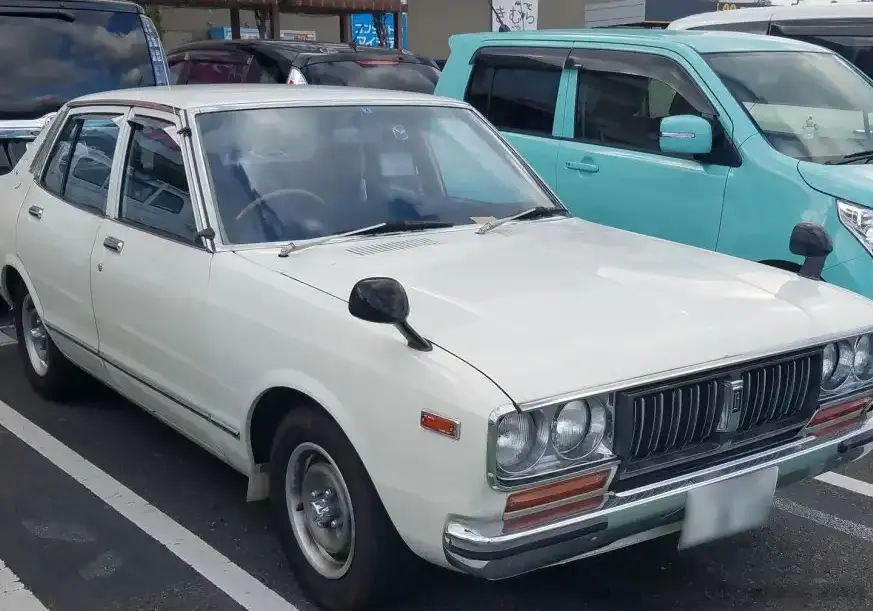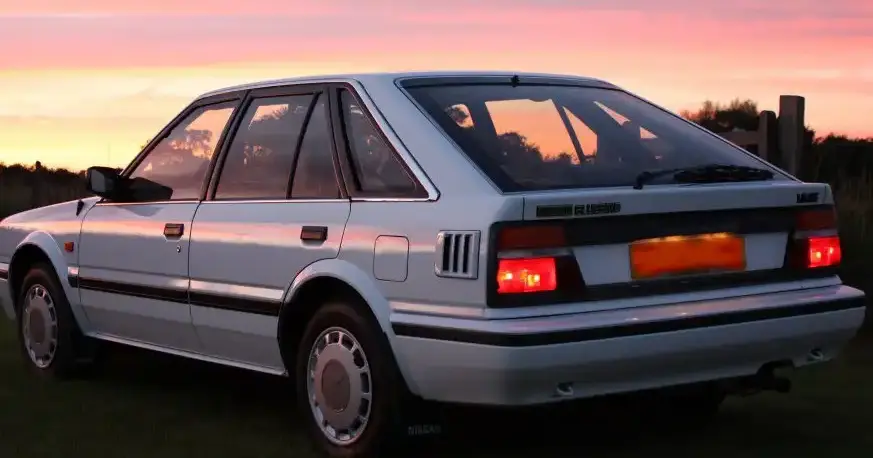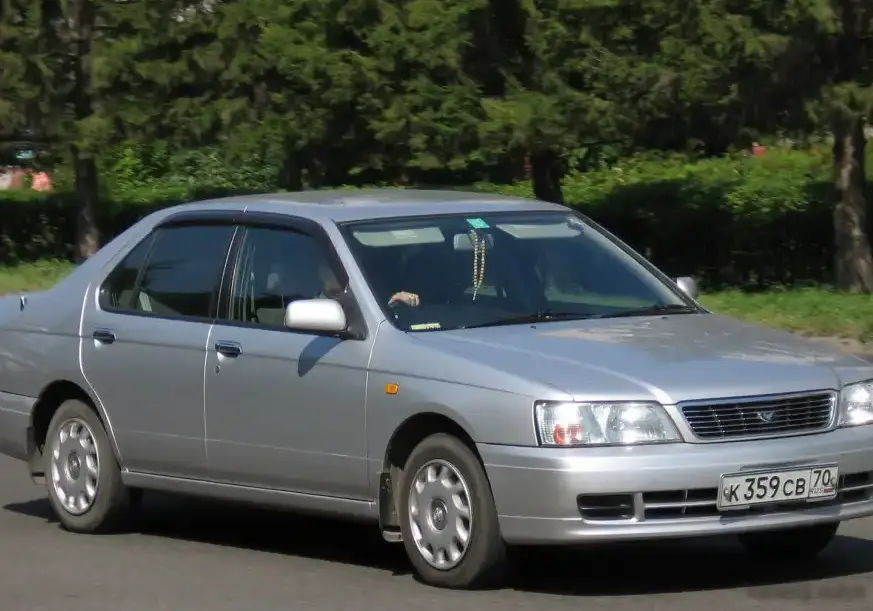
The Nissan Bluebird U14 2.0 SSS 4×4, produced between 1996 and 1998, represented a performance-oriented variant within the broader U14 Bluebird generation. The U14 series, sold primarily in Japan and select export markets, aimed to blend comfort, practicality, and a degree of sporting capability. This particular 2.0 SSS 4×4 trim sat near the top of the Bluebird lineup, offering a more powerful engine and all-wheel drive for enhanced traction and handling. It was positioned as a step up from the more economical base models, but below any potential luxury-focused trims. The Bluebird, throughout its history, was a cornerstone of Nissan’s passenger car offerings, known for its reliability and value.
Technical Specifications
| Brand | Nissan |
| Model | Bluebird |
| Generation | Bluebird (U14) |
| Type | 2.0 SSS (145 Hp) 4×4 |
| Start of production | 1996 |
| End of production | 1998 |
| Powertrain Architecture | Internal Combustion engine |
| Body type | Sedan |
| Seats | 5 |
| Doors | 4 |
| Fuel consumption (urban) | 12-15.8 l/100 km (19.6 – 14.9 US mpg, 23.5 – 17.9 UK mpg, 8.3 – 6.3 km/l) |
| Fuel consumption (extra urban) | 7.1-9.4 l/100 km (33.1 – 25 US mpg, 39.8 – 30.1 UK mpg, 14.1 – 10.6 km/l) |
| Fuel consumption (combined) | 10.3 l/100 km (22.8 US mpg, 27.4 UK mpg, 9.7 km/l) |
| Fuel Type | Petrol (Gasoline) |
| Acceleration 0 – 100 km/h | 10.1 sec |
| Acceleration 0 – 62 mph | 10.1 sec |
| Acceleration 0 – 60 mph | 9.6 sec |
| Maximum speed | 206 km/h (128 mph) |
| Weight-to-power ratio | 9.1 kg/Hp, 109.8 Hp/tonne |
| Weight-to-torque ratio | 7.4 kg/Nm, 134.8 Nm/tonne |
| Power | 145 Hp @ 6400 rpm |
| Power per litre | 72.6 Hp/l |
| Torque | 178 Nm @ 4800 rpm (131.29 lb.-ft. @ 4800 rpm) |
| Engine layout | Front, Transverse |
| Engine displacement | 1998 cm3 (121.93 cu. in.) |
| Number of cylinders | 4 |
| Engine configuration | Inline |
| Cylinder Bore | 86 mm (3.39 in.) |
| Piston Stroke | 86 mm (3.39 in.) |
| Compression ratio | 10:1 |
| Number of valves per cylinder | 4 |
| Fuel injection system | Multi-port manifold injection |
| Engine aspiration | Naturally aspirated engine |
| Valvetrain | DOHC |
| Kerb Weight | 1320 kg (2910.1 lbs.) |
| Length | 4565 mm (179.72 in.) |
| Width | 1695 mm (66.73 in.) |
| Height | 1420 mm (55.91 in.) |
| Wheelbase | 2600 mm (102.36 in.) |
| Front track | 1465 mm (57.68 in.) |
| Rear track | 1450 mm (57.09 in.) |
| Ride height (ground clearance) | 155 mm (6.1 in.) |
| Drag coefficient (Cd) | 0.32 |
| Minimum turning circle | 10.8 m (35.43 ft.) |
| Drive wheel | All wheel drive (4×4) |
| Number of gears | 5 |
| Gearbox type | Manual transmission |
| Front brakes | Ventilated discs |
| Rear brakes | Disc |
| Steering type | Steering rack and pinion |
| Tires size | 195/65 R14 |
| Wheel rims size | 14 |
Powertrain & Engine Architecture
The heart of the Bluebird 2.0 SSS 4×4 was the SR20DE engine, a 1998cc inline-four cylinder powerplant. This engine, a member of Nissan’s SR family, was known for its robust construction and relatively high output for its displacement. The SR20DE featured a double overhead camshaft (DOHC) valvetrain with four valves per cylinder, contributing to its good breathing characteristics. Fuel delivery was handled by a multi-port fuel injection system, optimizing fuel atomization and combustion efficiency. The engine produced 145 horsepower at 6400 rpm and 178 Nm (131.29 lb-ft) of torque at 4800 rpm. The five-speed manual transmission was chosen to complement the engine’s power delivery, offering precise gear changes and a more engaging driving experience. The 4×4 system employed a viscous coupling to distribute torque between the front and rear axles, providing enhanced grip in various road conditions.
Driving Characteristics
The 2.0 SSS 4×4 offered a noticeable step up in performance compared to the lower-spec Bluebird models. The SR20DE engine provided brisk acceleration, with a 0-60 mph time of around 9.6 seconds and a top speed of 128 mph. The manual transmission allowed drivers to fully exploit the engine’s powerband, while the all-wheel drive system instilled confidence in corners and on slippery surfaces. Compared to the automatic transmission options available on other Bluebird trims, the manual gearbox provided a more direct connection to the engine and a sportier feel. While not a dedicated sports car, the 2.0 SSS 4×4 offered a balanced driving experience, combining reasonable performance with everyday usability.
Equipment & Trim Levels
The SSS trim level generally included features such as power windows, power steering, central locking, and an upgraded audio system. Interior upholstery typically consisted of cloth seats, although leather options may have been available. The dashboard layout was functional and straightforward, with clear instrumentation. Optional extras could include air conditioning, a sunroof, and alloy wheels. The 4×4 variant often came with unique badging and exterior trim to distinguish it from other Bluebird models.
Chassis & Braking
The Bluebird U14 featured a MacPherson strut front suspension and a multi-link rear suspension, providing a comfortable ride and decent handling characteristics. The 2.0 SSS 4×4 typically had slightly stiffer suspension components compared to the base models, enhancing body control. Braking duties were handled by ventilated discs at the front and solid discs at the rear, providing adequate stopping power for the vehicle’s weight and performance. The steering system was a rack-and-pinion setup, offering precise and responsive steering feel.
Market Reception & Comparison
The Nissan Bluebird U14 2.0 SSS 4×4 was generally well-received in its target markets. Critics praised its combination of performance, practicality, and reliability. Compared to other vehicles in its class, such as the Toyota Corolla or Honda Civic, the Bluebird offered a more engaging driving experience and a more powerful engine. However, it may have lacked the brand prestige of some of its competitors. Fuel economy was reasonable for a 2.0-liter engine, but not class-leading. Reliability was a strong point, with the SR20DE engine proving to be durable and long-lasting.
Legacy
The Nissan Bluebird U14 2.0 SSS 4×4 has become a sought-after model among enthusiasts, particularly those who appreciate its classic Japanese styling and robust mechanicals. The SR20DE engine remains a popular choice for engine swaps and modifications. While finding well-maintained examples can be challenging, the Bluebird U14 2.0 SSS 4×4 continues to offer a unique and rewarding driving experience. Its reputation for reliability ensures that it remains a viable option for those seeking a classic Japanese sedan.