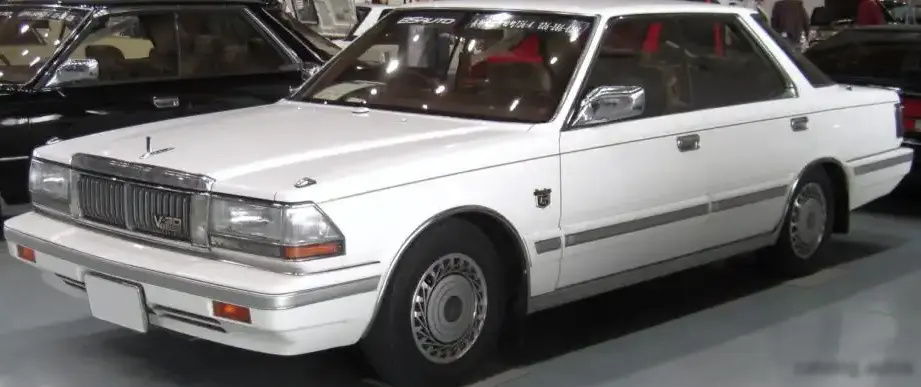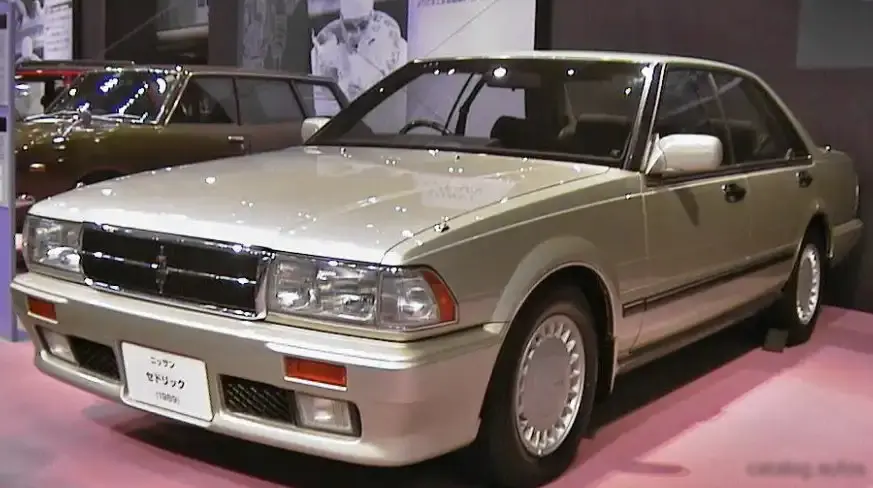
The Nissan Cedric Y33 3.0T, produced between 1995 and 1997, represented a high-performance variant within the fourth generation (Y33) of Nissan’s long-running Cedric sedan. Positioned as a luxury performance vehicle, the 3.0T aimed to offer a more engaging driving experience than the standard Cedric models, primarily targeting buyers who desired a blend of comfort and spirited acceleration. The Y33 generation, built on the Nissan S platform, was a significant departure from previous Cedrics, embracing a more modern design and incorporating advanced technology for its time. This particular variant, with its turbocharged V6 engine and automatic transmission, was primarily sold within the Japanese domestic market (JDM).
Technical Specifications
| Brand | Nissan |
| Model | Cedric |
| Generation | Cedric (Y33) |
| Type (Engine) | 3.0T V6 (270 Hp) Automatic |
| Start of production | 1995 |
| End of production | 1997 |
| Powertrain Architecture | Internal Combustion engine |
| Body type | Sedan |
| Seats | 5 |
| Doors | 4 |
| Fuel consumption (combined) | 12.9 l/100 km (18.2 US mpg, 21.9 UK mpg, 7.8 km/l) |
| Fuel Type | Petrol (Gasoline) |
| Acceleration 0 – 100 km/h | 7 sec |
| Acceleration 0 – 62 mph | 7 sec |
| Acceleration 0 – 60 mph | 6.7 sec |
| Maximum speed | 236 km/h (146.64 mph) |
| Weight-to-power ratio | 5.8 kg/Hp, 172 Hp/tonne |
| Weight-to-torque ratio | 4.3 kg/Nm, 234.4 Nm/tonne |
| Power | 270 Hp @ 6000 rpm |
| Power per litre | 90.4 Hp/l |
| Torque | 368 Nm @ 3600 rpm (271.42 lb.-ft. @ 3600 rpm) |
| Maximum engine speed | 6500 rpm |
| Engine layout | Front, Longitudinal |
| Engine Model/Code | VQ30 |
| Engine displacement | 2987 cm3 (182.28 cu. in.) |
| Number of cylinders | 6 |
| Engine configuration | V-engine |
| Cylinder Bore | 93 mm (3.66 in.) |
| Piston Stroke | 73.3 mm (2.89 in.) |
| Compression ratio | 9:1 |
| Number of valves per cylinder | 4 |
| Fuel injection system | Multi-port manifold injection |
| Engine aspiration | Turbocharger |
| Valvetrain | DOHC |
| Kerb Weight | 1570 kg (3461.26 lbs.) |
| Fuel tank capacity | 80 l (21.13 US gal | 17.6 UK gal) |
| Ride height (ground clearance) | 145 mm (5.71 in.) |
| Drag coefficient (Cd) | 0.37 |
| Minimum turning circle | 11 m (36.09 ft.) |
| Drivetrain Architecture | Rear wheel drive |
| Drive wheel | Rear wheel drive |
| Number of gears and type of gearbox | 4 gears, automatic transmission |
| Front brakes | Ventilated discs |
| Rear brakes | Ventilated discs |
| Tires size | 205/65 R15 |
| Wheel rims size | 15 |
Powertrain & Engine Architecture
The heart of the Cedric 3.0T is the VQ30ET engine, a 3.0-liter, naturally aspirated V6 engine equipped with a turbocharger. This engine is part of Nissan’s highly regarded VQ engine family, known for its smooth operation and reliability. The VQ30ET features a 90-degree V-angle, four valves per cylinder, and a double overhead camshaft (DOHC) valvetrain. The turbocharger significantly boosts power output, increasing it to 270 horsepower at 6000 rpm and 368 Nm (271 lb-ft) of torque at 3600 rpm. Fuel delivery is managed by a multi-port fuel injection system. The engine’s longitudinal mounting and rear-wheel-drive configuration contribute to a balanced weight distribution. The transmission is a four-speed automatic, chosen to provide a comfortable driving experience, though it sacrifices some of the responsiveness found in manual transmissions.
Driving Characteristics
The Cedric 3.0T offers a noticeably more dynamic driving experience compared to the standard, naturally aspirated Cedric models. The turbocharger provides a surge of power during acceleration, allowing for a 0-60 mph time of approximately 6.7 seconds. While the four-speed automatic transmission isn’t as quick-shifting as modern gearboxes, it provides smooth and predictable gear changes. The rear-wheel-drive layout contributes to balanced handling, although the Cedric’s relatively large size and weight limit its agility. Compared to other Y33 variants, such as the naturally aspirated 2.0L or 2.5L models, the 3.0T delivers significantly stronger acceleration and a more confident feel at highway speeds. It doesn’t possess the same level of sporting prowess as some contemporary performance sedans, but it offers a compelling blend of luxury and performance.
Equipment & Trim Levels
The Cedric 3.0T typically came equipped with a generous array of standard features befitting its position as a premium trim level. These included power windows, power locks, power steering, air conditioning, and a high-quality audio system. Interior upholstery was typically cloth or leather, with woodgrain accents adorning the dashboard and door panels. Optional extras could include a sunroof, upgraded audio systems, and advanced climate control features. The instrument panel featured a comprehensive array of gauges, including a tachometer, speedometer, and various warning lights. The overall interior design emphasized comfort and refinement, reflecting the Cedric’s status as a luxury sedan.
Chassis & Braking
The Cedric Y33 utilizes a traditional suspension setup, featuring independent suspension in the front and a multi-link suspension in the rear. This configuration provides a comfortable ride quality while maintaining reasonable handling characteristics. The 3.0T variant typically featured slightly stiffer springs and dampers compared to lower trim levels, enhancing body control during cornering. Braking duties are handled by ventilated disc brakes on all four wheels, providing adequate stopping power for the vehicle’s weight and performance. The 15-inch wheels were typically fitted with 205/65 R15 tires, offering a good balance of grip and ride comfort.
Market Reception & Comparison
The Nissan Cedric 3.0T was generally well-received in the Japanese market, praised for its powerful engine, comfortable ride, and luxurious interior. Critics noted that the four-speed automatic transmission could feel somewhat dated compared to the five-speed automatics offered in some competing vehicles. Fuel economy, at 12.9 l/100 km, was considered average for a vehicle of its size and performance. Compared to other JDM sedans of the era, such as the Toyota Crown or the Mitsubishi Debonair, the Cedric 3.0T offered a compelling combination of features and performance at a competitive price point. It was often seen as a more driver-focused alternative to the more comfort-oriented Crown.
Legacy
The Nissan Cedric Y33 3.0T remains a sought-after vehicle among JDM enthusiasts. The VQ30ET engine is known for its durability and relatively straightforward maintenance. However, like any turbocharged engine, it requires regular maintenance and careful driving to prevent issues. Parts availability can be a challenge outside of Japan, but a growing aftermarket support network is emerging. Today, well-maintained examples of the Cedric 3.0T are appreciating in value, as collectors recognize their significance as a representative of 1990s Japanese automotive engineering and design. The car represents a unique blend of luxury, performance, and technological innovation that continues to appeal to enthusiasts today.