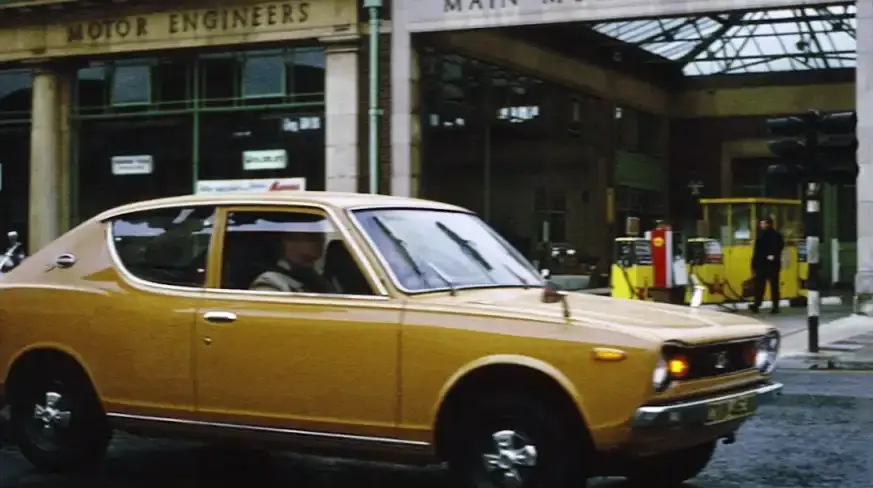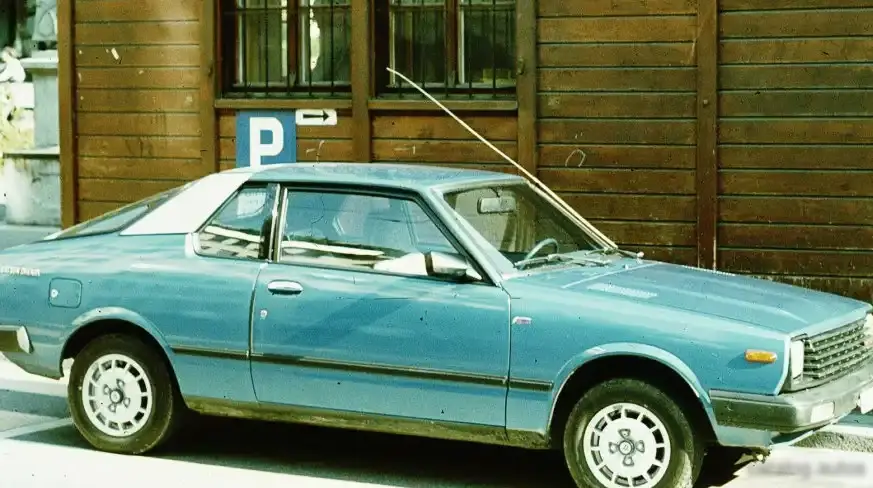
The Nissan Cherry Coupe (N10) 1.2, produced between 1978 and 1981, represents a significant entry in Nissan’s early foray into the compact coupe market. Positioned as an affordable and stylish alternative to larger, more expensive coupes, the N10 Cherry Coupe aimed to capture a segment of buyers seeking fuel efficiency and a sporty appearance. This particular 1.2-liter, 52 horsepower variant served as the base model for the coupe, offering a simple and economical transportation solution. It was part of the broader N10 Cherry lineup, which included sedan and hatchback versions, but the coupe distinguished itself with its two-door configuration and more youthful appeal. The N10 platform was a key step for Nissan in establishing a global presence, particularly in Europe where it was also sold under the Datsun brand.
Technical Specifications
| Brand | Nissan |
| Model | Cherry Coupe |
| Generation | Cherry Coupe (N10) |
| Type (Engine) | 1.2 (52 Hp) |
| Start of production | 1978 |
| End of production | 1981 |
| Powertrain Architecture | Internal Combustion Engine |
| Body type | Coupe |
| Fuel Type | Petrol (Gasoline) |
| Power | 52 Hp |
| Engine Aspiration | Naturally Aspirated |
Powertrain & Engine Architecture
The heart of the N10 Cherry Coupe 1.2 is the A12 engine, a 1.2-liter (1189cc) inline-four cylinder gasoline engine. This engine, designated as the A12A, is a relatively simple design featuring a single overhead camshaft (SOHC) and two valves per cylinder. The A12 was known for its reliability and ease of maintenance, characteristics that were prioritized in this economy-focused vehicle. Fuel delivery is managed by a Hitachi-supplied carburetor, a common feature for vehicles of this era. The engine produces 52 horsepower at 6000 rpm and approximately 68 lb-ft of torque at 3600 rpm. The transmission paired with this engine is typically a four-speed manual, though a three-speed automatic transmission was also available, albeit less common. The automatic transmission, a Jatco-sourced unit, was geared towards providing smooth, if not particularly sporty, operation. The engine block is cast iron, contributing to its durability, while the cylinder head is aluminum, helping to reduce weight. The A12 engine’s design emphasized fuel economy over outright performance, reflecting the automotive landscape of the late 1970s and early 1980s.
Driving Characteristics
The driving experience in the Cherry Coupe 1.2 is best described as adequate. With only 52 horsepower propelling a vehicle weighing around 1,700 lbs, acceleration is leisurely. The 0-60 mph time is estimated to be around 16-18 seconds. The four-speed manual transmission allows for some degree of control over the engine’s power band, but even with spirited driving, the car feels underpowered by modern standards. The automatic transmission further diminishes acceleration, prioritizing comfort and ease of use. Gear ratios are relatively tall, designed to maximize fuel efficiency at cruising speeds. Handling is generally predictable, with a rear-wheel drive layout providing a balanced feel. However, the suspension, consisting of independent front suspension with MacPherson struts and a solid rear axle with leaf springs, is tuned for comfort rather than sporty handling. Steering is unassisted, requiring a bit more effort at low speeds, but providing a direct feel for the road. Overall, the Cherry Coupe 1.2 is not a performance car, but a practical and economical vehicle suitable for city driving and short commutes.
Equipment & Trim Levels
The N10 Cherry Coupe 1.2, as the base model, came with a fairly basic level of equipment. Standard features typically included cloth upholstery, vinyl floor covering, and a simple dashboard layout with analog gauges. The steering wheel is a two-spoke design, and the seats offer limited adjustability. Heating and ventilation were standard, but air conditioning was typically an optional extra. Exterior features included chrome bumpers, steel wheels with hubcaps, and relatively simple lighting. Optional extras included a radio, upgraded upholstery, and tinted glass. Trim levels were limited, with the 1.2 representing the entry point to the Cherry Coupe range. Higher trim levels, often paired with the larger 1.4 or 1.6-liter engines, offered features such as upgraded interior trim, alloy wheels, and more sophisticated audio systems. The overall interior design prioritized functionality and durability over luxury.
Chassis & Braking
The Cherry Coupe 1.2 utilizes a body-on-frame construction, a common practice for vehicles of its era. The chassis is relatively simple, designed to provide a comfortable ride and adequate handling. The front suspension features MacPherson struts, coil springs, and an anti-roll bar. The rear suspension employs a solid axle with leaf springs and shock absorbers. Braking is handled by drum brakes on all four wheels, which were standard for this class of vehicle in the late 1970s. The braking system is adequate for normal driving conditions, but lacks the stopping power of more modern disc brake systems. Steering is a recirculating ball system, providing a direct but somewhat heavy feel. The tires are typically narrow, reflecting the focus on fuel economy and ride comfort. The overall chassis and braking setup are designed to provide a safe and reliable driving experience, but are not geared towards performance driving.
Market Reception & Comparison
The Nissan Cherry Coupe 1.2 was generally well-received as an affordable and stylish coupe. Critics praised its fuel efficiency and reliability, but noted its lack of power. Compared to its siblings, the 1.4 and 1.6-liter versions, the 1.2 offered a more economical option, but at the expense of performance. The 1.4-liter engine provided a noticeable improvement in acceleration, while the 1.6-liter offered even more power and a more refined driving experience. The 1.2 was primarily targeted at first-time buyers and those seeking a practical and economical coupe. In terms of fuel economy, the 1.2 achieved around 35-40 mpg, making it a competitive option in its class. Reliability was also a strong point, with the A12 engine proving to be durable and long-lasting. Compared to other coupes of the era, such as the Ford Fiesta Coupe or the Vauxhall Chevette Coupe, the Cherry Coupe offered a more refined interior and a more stylish exterior design.
Legacy
The Nissan Cherry Coupe (N10) 1.2, while not a high-performance vehicle, holds a significant place in Nissan’s history. It demonstrated Nissan’s ability to produce affordable and reliable vehicles for the global market. The A12 engine, in particular, became a mainstay in Nissan’s lineup for many years. Today, the N10 Cherry Coupe is a relatively rare sight on the roads, but it has gained a following among classic car enthusiasts. The 1.2-liter engine is known for its simplicity and ease of maintenance, making it a relatively affordable classic to own and restore. Parts availability can be a challenge, but many components are still available through specialist suppliers. The Cherry Coupe 1.2 represents a snapshot of automotive design and engineering from the late 1970s, offering a glimpse into a time when fuel efficiency and affordability were paramount. Its enduring appeal lies in its simplicity, reliability, and charming retro styling.