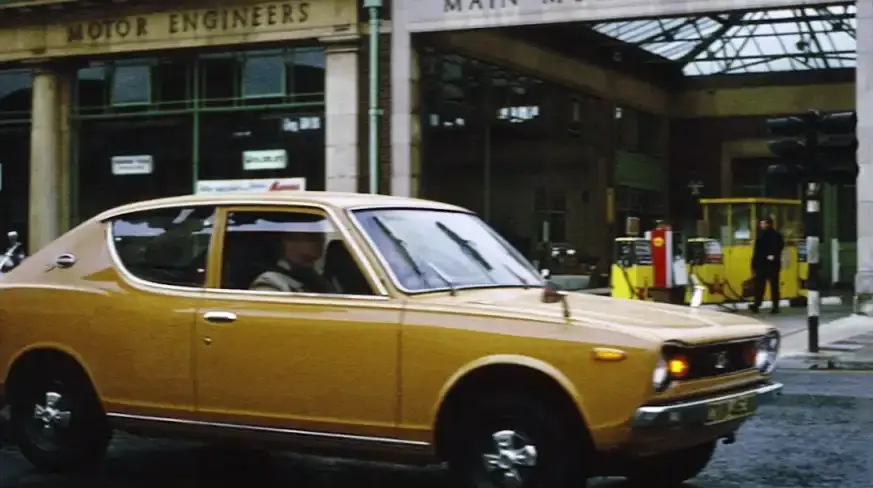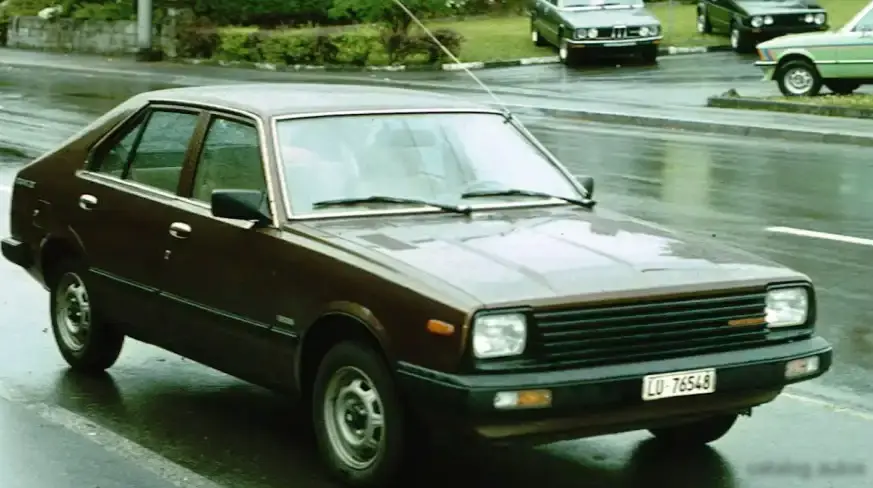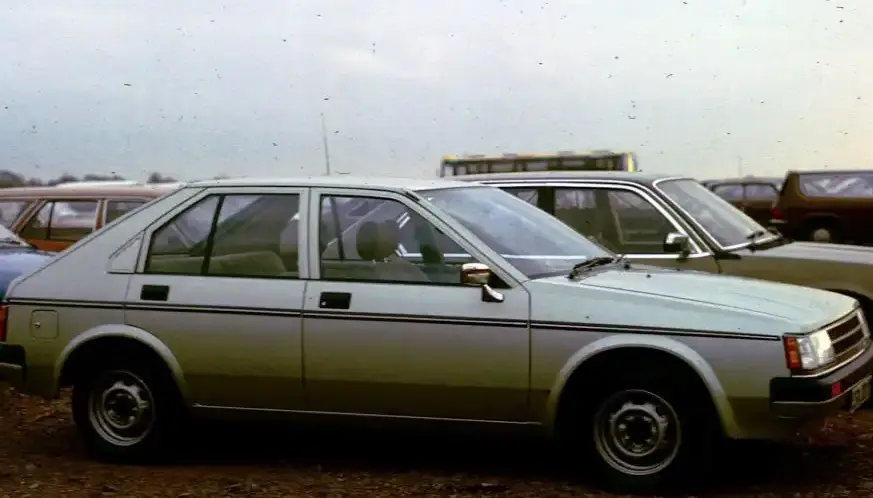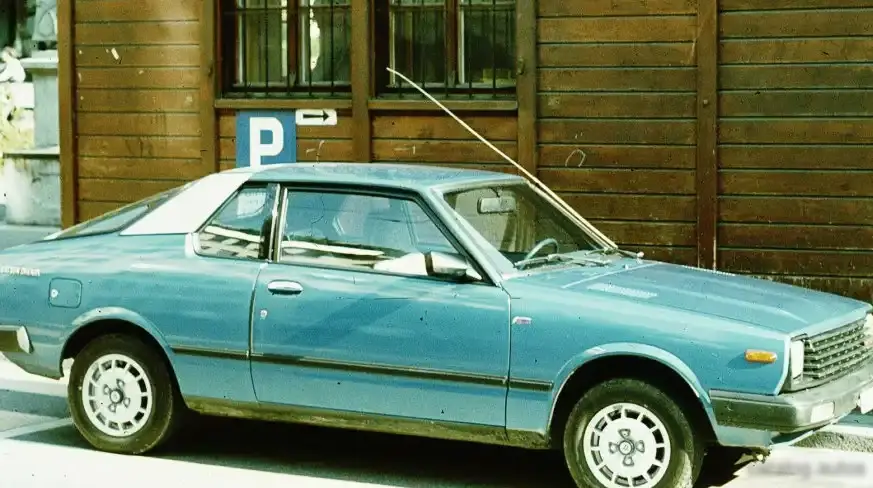
The Nissan Cherry Coupe (N10) 1.3, produced between 1981 and 1982, represents a relatively short-lived but significant entry in Nissan’s early foray into the compact coupe market. Positioned as an affordable and stylish alternative to larger, more expensive coupes, the N10 Cherry Coupe aimed to capture a segment of buyers seeking a sporty appearance with economical running costs. This 1.3-liter, 60 horsepower variant served as the base model for the coupe, offering a simple and accessible entry point into the Cherry Coupe lineup. It was part of the broader N10 Cherry family, which included sedan and hatchback models, but the coupe distinguished itself with its two-door configuration and more youthful appeal. The N10 platform was a key step for Nissan in establishing a presence in the increasingly competitive global automotive landscape.
Technical Specifications
| Brand | Nissan |
| Model | Cherry |
| Generation | Cherry Coupe (N10) |
| Type (Engine) | 1.3 (60 Hp) |
| Start of production | 1981 |
| End of production | 1982 |
| Powertrain Architecture | Internal Combustion Engine |
| Body type | Coupe |
| Fuel Type | Petrol (Gasoline) |
| Power | 60 Hp |
| Engine Aspiration | Naturally Aspirated |
Powertrain & Engine Architecture
The heart of the N10 Cherry Coupe 1.3 was the A13 engine, a 1.3-liter inline-four cylinder gasoline engine. This engine, while not particularly powerful by modern standards, was known for its reliability and fuel efficiency. The A13 featured a single overhead camshaft (SOHC) valvetrain, operating two valves per cylinder. Fuel delivery was managed by a carburetor, a common feature for vehicles of this era, rather than fuel injection. The carburetor provided adequate fuel atomization for the engine’s modest power output. The engine’s block was cast iron, contributing to its durability, while the cylinder head was aluminum, helping to reduce weight. The 60 horsepower output was achieved at approximately 6,000 rpm, with peak torque of around 78 lb-ft at 3,600 rpm. The transmission paired with this engine was typically a four-speed manual, though a three-speed automatic transmission was also available, albeit less common. The automatic transmission was designed for smooth, comfortable operation rather than sporty performance, prioritizing ease of use over acceleration.
Driving Characteristics
The driving experience in the Cherry Coupe 1.3 was characterized by its light weight and nimble handling. With only 60 horsepower on tap, acceleration was modest, and the car was not designed for rapid speeds. However, its relatively low curb weight – around 1,700 lbs – allowed it to feel surprisingly lively in city driving. The four-speed manual transmission offered a more engaging driving experience, allowing the driver to keep the engine in its optimal power band. The automatic transmission, while convenient, resulted in noticeable performance loss, with slower acceleration and a tendency to hunt for gears on inclines. The suspension consisted of MacPherson struts in the front and a leaf spring setup in the rear. This configuration provided a comfortable ride, but the rear leaf springs could sometimes result in a somewhat bouncy ride quality, particularly when carrying passengers or cargo. Steering was manual rack and pinion, offering reasonable precision and feedback.
Equipment & Trim Levels
The N10 Cherry Coupe 1.3 was positioned as the entry-level model, and as such, it came with a relatively basic level of equipment. Standard features typically included cloth upholstery, vinyl floor covering, and a simple dashboard layout. The instrument cluster consisted of a speedometer, fuel gauge, and temperature gauge. A two-spoke steering wheel was standard. Optional extras included a radio, upgraded upholstery, and a sunroof. The interior was designed with practicality in mind, offering sufficient space for two adults and limited space for rear passengers. The exterior featured steel wheels with hubcaps, chrome bumpers, and relatively simple styling. The overall aesthetic was clean and understated, reflecting the car’s affordable positioning.
Chassis & Braking
The Cherry Coupe 1.3 utilized a body-on-frame construction, a common practice for cars of this era. The chassis was designed to be lightweight and rigid, providing a stable platform for the suspension and powertrain. The front suspension employed MacPherson struts, offering a good balance of ride comfort and handling. The rear suspension utilized leaf springs, which were cost-effective but less sophisticated than independent suspension systems. Braking was accomplished via drum brakes on all four wheels. While adequate for the car’s weight and performance, the drum brakes lacked the stopping power and fade resistance of disc brakes. Steering was manual rack and pinion, providing reasonable precision and feedback. The car’s relatively small size and light weight contributed to its maneuverability.
Market Reception & Comparison
The Nissan Cherry Coupe 1.3 received mixed reviews from automotive critics. While praised for its affordability, fuel efficiency, and stylish appearance, it was often criticized for its lack of power and basic equipment level. Compared to other coupes in its class, such as the Ford Escort Coupe or the Toyota Corolla Coupe, the Cherry Coupe 1.3 offered a more economical option, but it lacked the performance and refinement of its rivals. The 1.3-liter engine was considered adequate for city driving, but it struggled on highways or when carrying a full load of passengers. Fuel economy was a strong point, with the Cherry Coupe 1.3 achieving around 35-40 mpg in typical driving conditions. Reliability was generally good, although the carburetor required periodic maintenance. The automatic transmission version was often seen as a compromise, sacrificing performance for convenience.
Legacy
The Nissan Cherry Coupe (N10) 1.3, while not a long-running model, holds a place in Nissan’s history as an early example of the company’s commitment to producing affordable and stylish vehicles. The A13 engine proved to be a durable and reliable powerplant, and many examples of the Cherry Coupe 1.3 are still on the road today. In the used car market, these coupes are often sought after by enthusiasts looking for a classic Japanese car that is relatively easy to maintain and restore. Parts availability can be a challenge, but many components are still available through aftermarket suppliers. The Cherry Coupe 1.3 represents a snapshot of automotive design and technology from the early 1980s, offering a glimpse into a time when simplicity and affordability were highly valued.