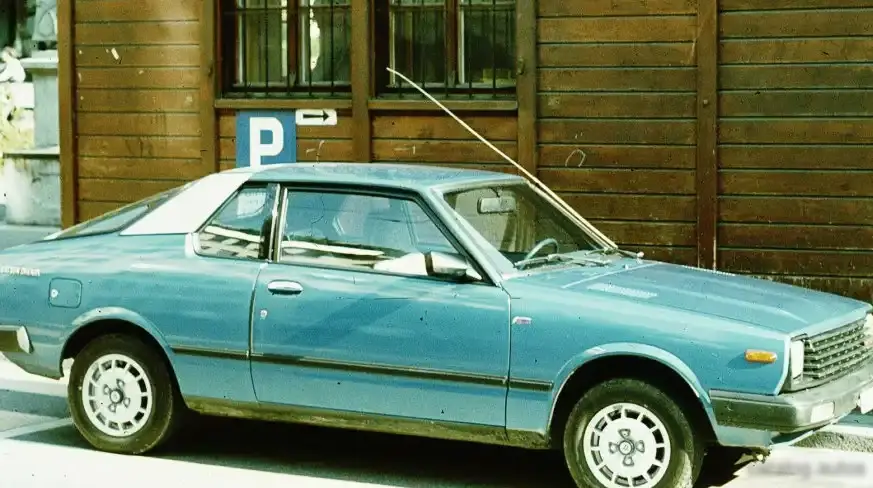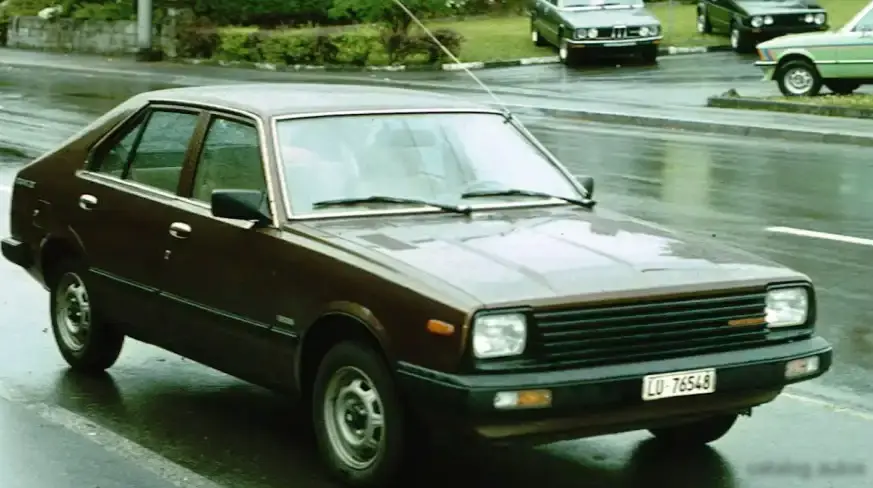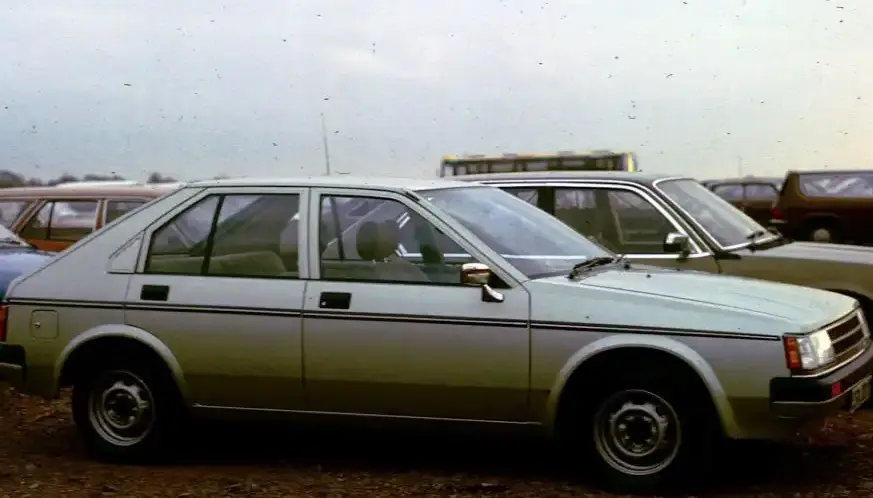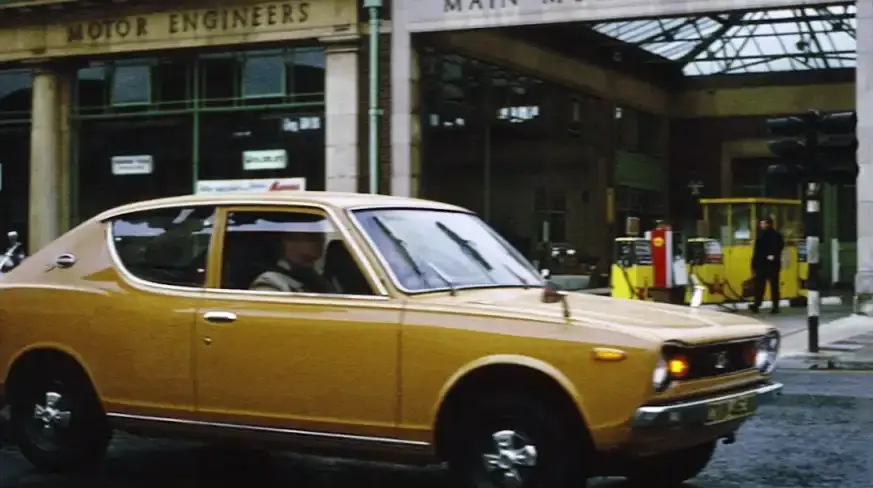
The Nissan Cherry E10, specifically the 1.0-liter 45 horsepower variant, represents a pivotal entry in Nissan’s early foray into the subcompact car market. Produced from 1970 to 1978, the E10 Cherry was Nissan’s response to the growing demand for affordable, fuel-efficient transportation, particularly in Japan and export markets. This particular engine and trim level served as the base model, aimed at providing basic, reliable transportation for a broad customer base. It was a significant vehicle for Nissan, establishing a foothold in a segment that would become increasingly important in the following decades. The Cherry E10 was a direct competitor to vehicles like the Toyota Corolla and Honda Civic, and played a role in shaping the landscape of small, economical cars.
Technical Specifications
| Brand | Nissan |
| Model | Cherry |
| Generation | Cherry (E10) |
| Type (Engine) | 1.0 (45 Hp) |
| Start of Production | 1970 |
| End of Production | 1978 |
| Powertrain Architecture | Internal Combustion Engine |
| Body Type | Sedan |
| Fuel Type | Petrol (Gasoline) |
| Power | 45 Hp |
| Engine Aspiration | Naturally Aspirated |
Powertrain & Engine Architecture
The heart of the base model Cherry E10 was the A10S engine, a 988cc inline-four cylinder gasoline engine. This engine, while modest in output at 45 horsepower, was designed for simplicity and durability. It featured a single overhead camshaft (SOHC) valvetrain, operating two valves per cylinder. Fuel delivery was managed by a single, down-draft carburetor – a common setup for vehicles of this era and price point. The engine’s relatively low compression ratio (typically around 8.5:1) contributed to its ability to run on lower octane fuels, a consideration for many markets. The transmission paired with this engine was typically a four-speed manual, though a three-speed automatic transmission was offered as an option, albeit less common in the base model. The automatic transmission, while providing ease of use, did further reduce the car’s already limited acceleration. The engine block was cast iron, contributing to its robustness, while the cylinder head was aluminum, helping to reduce weight. The A10S engine was known for its relatively simple maintenance requirements, a key factor in its appeal to budget-conscious buyers.
Driving Characteristics
The 1.0-liter Cherry E10 was not designed for performance. With only 45 horsepower propelling a vehicle weighing around 1,600 pounds, acceleration was leisurely. Top speed was estimated to be around 80 mph, though maintaining that speed for extended periods was not practical. The four-speed manual transmission allowed drivers to extract the most from the engine, but even with careful shifting, the car felt underpowered, especially when carrying passengers or cargo. The optional three-speed automatic further diminished performance, resulting in sluggish acceleration and a noticeable lack of responsiveness. The suspension, consisting of independent front suspension with coil springs and a leaf-sprung rear axle, provided a reasonably comfortable ride, but handling was unremarkable. Steering was manual in the base model, requiring a fair amount of effort at low speeds. Overall, the driving experience was geared towards practicality and economy rather than excitement.
Equipment & Trim Levels
The base model Cherry E10 was intentionally spartan in its equipment levels. Standard features typically included vinyl upholstery, basic instrumentation (speedometer, fuel gauge, and temperature gauge), and minimal chrome trim. The interior was functional but lacked any real luxury. Options were limited, but could include a radio, heater, and upgraded upholstery. The dashboard was constructed from durable plastic and featured a simple, straightforward layout. The steering wheel was typically a two-spoke design made of plastic. The exterior featured basic steel wheels with hubcaps, and paint options were limited to a small palette of solid colors. The focus was on keeping the cost down, making the Cherry E10 accessible to a wider range of buyers. Higher trim levels, though less common, offered features like more comfortable seating, additional instrumentation, and exterior trim enhancements.
Chassis & Braking
The Cherry E10 utilized a body-on-frame construction, a common practice for cars of this era. The chassis was relatively simple, prioritizing cost-effectiveness and ease of manufacturing. The front suspension featured independent coil springs and wishbone arms, while the rear suspension employed a leaf spring setup. This configuration provided a reasonable balance between ride comfort and handling, although it wasn’t particularly sophisticated. Braking was initially accomplished with drum brakes on all four wheels. Later models saw the introduction of front disc brakes as standard equipment, improving stopping performance. The braking system was hydraulically operated, but lacked power assistance in the base model. Steering was manual, requiring a reasonable amount of effort, particularly at low speeds. The tires were typically narrow, reflecting the car’s modest power output and focus on fuel economy.
Market Reception & Comparison
The Nissan Cherry E10, particularly the 1.0-liter variant, was generally well-received as an affordable and reliable means of transportation. Critics praised its fuel economy and simple mechanical design, but noted its lack of power and refinement. Compared to its competitors, such as the Toyota Corolla and Honda Civic, the Cherry E10 offered a similar level of practicality and economy, but often lacked the same level of perceived quality and driving enjoyment. The 1.0-liter engine was considered adequate for city driving, but struggled on highways or when carrying a full load. Fuel economy was a strong point, typically achieving around 35-40 mpg. Reliability was generally good, although the carburetor required periodic adjustment and maintenance. The automatic transmission, while convenient, was often criticized for its sluggish performance and reduced fuel economy.
Legacy
The Nissan Cherry E10, and specifically the 1.0-liter 45 horsepower variant, holds a significant place in Nissan’s history as its first dedicated subcompact car. While not a performance icon, it established Nissan as a competitor in the burgeoning small car market. Today, the Cherry E10 is a relatively rare sight, particularly in original condition. Those that remain are often cherished by enthusiasts for their simplicity, reliability, and nostalgic appeal. The A10S engine, while not particularly powerful, is known for its durability and relatively easy maintenance. Parts availability can be a challenge, but many components are still interchangeable with other Nissan models of the era. The Cherry E10 represents a bygone era of automotive design, where affordability and practicality were prioritized over luxury and performance. It remains a testament to Nissan’s early commitment to providing accessible transportation to a global audience.