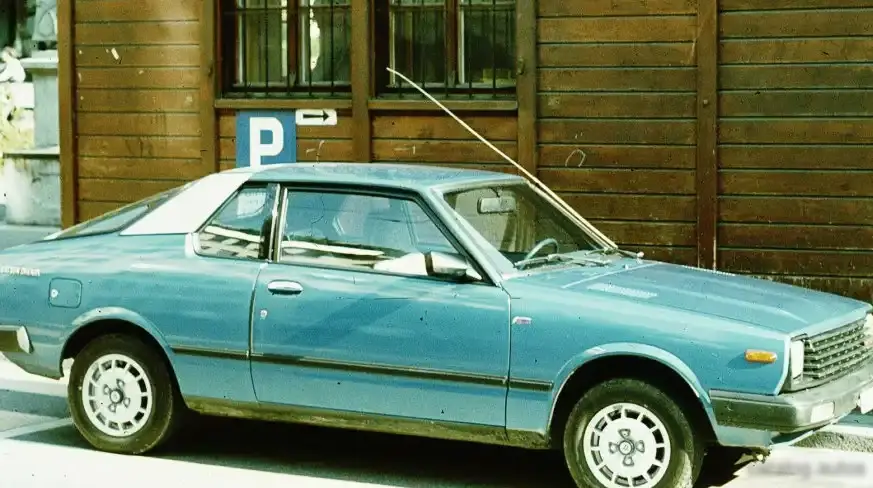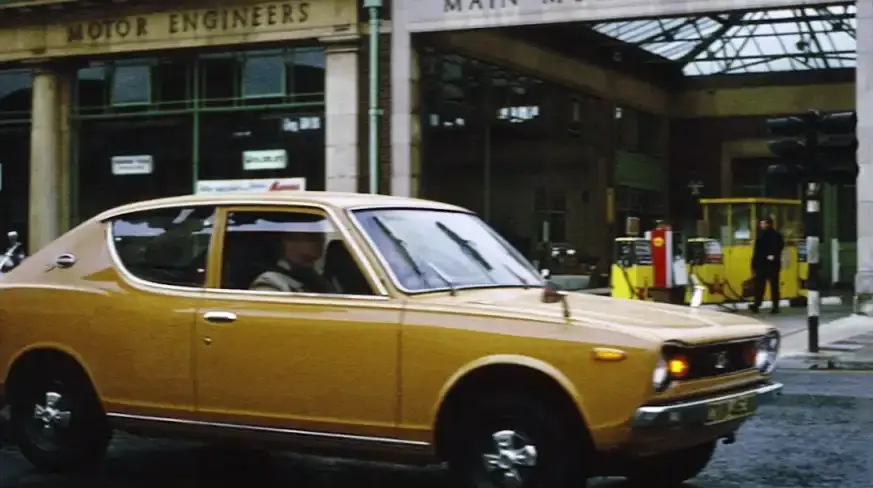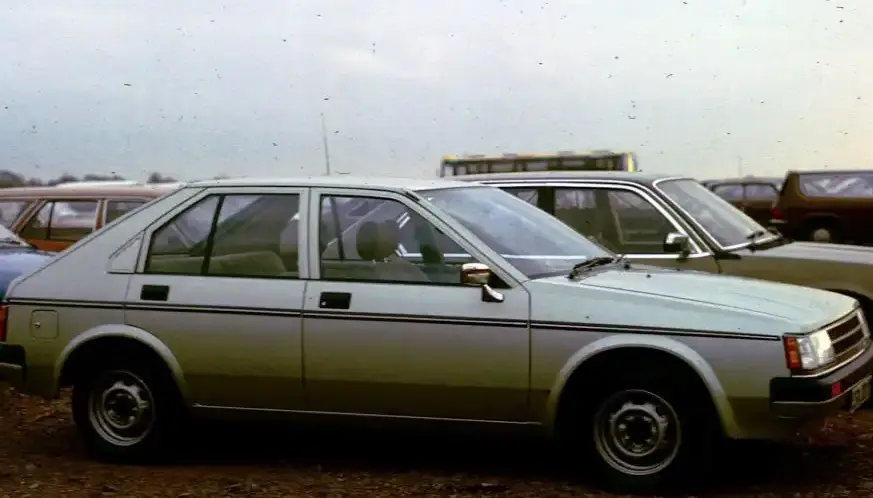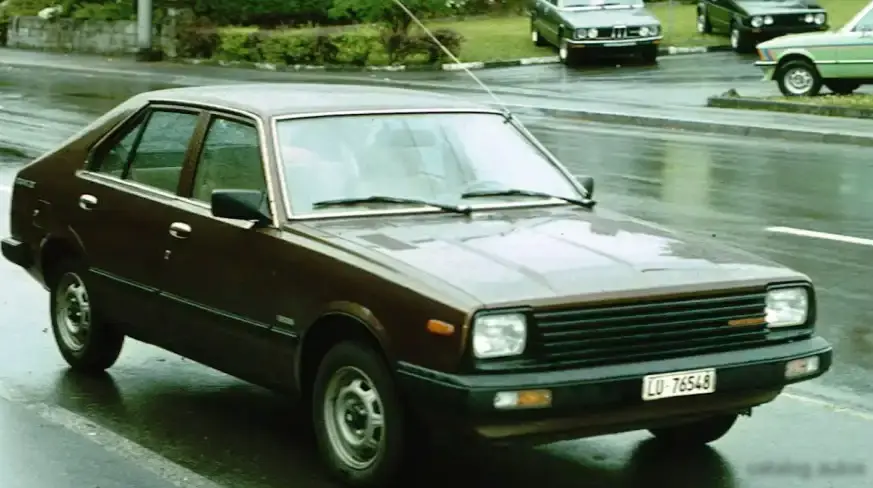
The Nissan Cherry Hatchback, specifically the N10 series produced between 1978 and 1981 with the 1.0-liter, 44 horsepower engine, represents a significant entry for Nissan into the burgeoning small hatchback market. Positioned as an affordable and economical city car, the Cherry N10 aimed to compete with established European and domestic rivals. This variant, the base model, served as the entry point to the Cherry lineup, prioritizing fuel efficiency and low running costs over outright performance. It was a key component of Nissan’s strategy to broaden its appeal beyond larger sedans and coupes, particularly in a period of rising fuel prices and increasing demand for compact vehicles.
Technical Specifications
| Brand | Nissan |
| Model | Cherry |
| Generation | Cherry Hatchback (N10) |
| Type (Engine) | 1.0 (44 Hp) |
| Start of production | 1978 |
| End of production | 1981 |
| Powertrain Architecture | Internal Combustion Engine |
| Body type | Hatchback |
| Fuel Type | Petrol (Gasoline) |
| Power | 44 Hp |
| Engine Aspiration | Naturally Aspirated |
Powertrain & Engine Architecture
The heart of the N10 Cherry 1.0 was the A10S engine, a 988cc inline-four cylinder petrol engine. This engine was a relatively simple design, featuring a single overhead camshaft (SOHC) and two valves per cylinder. Fuel delivery was managed by a carburetor, a common feature for vehicles of this era and price point. The carburetor system, while less precise than fuel injection, contributed to the engine’s simplicity and ease of maintenance. The engine’s modest 44 horsepower output at 6,000 rpm and 58 lb-ft of torque at 3,600 rpm were geared towards maximizing fuel economy rather than providing spirited acceleration. The engine block was cast iron, providing durability, while the cylinder head was aluminum, helping to reduce weight. The transmission paired with this engine was typically a four-speed manual, though a three-speed automatic transmission was also offered, albeit less commonly. The automatic transmission, while offering convenience, further reduced the car’s acceleration capabilities.
Driving Characteristics
The driving experience in the Cherry N10 1.0 was characterized by its light and nimble handling. The car’s relatively low weight – around 1,637 lbs – contributed to its agility in urban environments. However, the 44 horsepower engine meant that acceleration was slow, particularly when fully loaded or tackling inclines. The four-speed manual transmission allowed drivers to make the most of the available power, but even with careful gear selection, overtaking maneuvers required planning. The automatic transmission, while providing ease of use, exacerbated the sluggishness. Gear ratios were optimized for fuel efficiency, with taller gearing in the upper ranges. The steering was light and responsive, making parking and maneuvering in tight spaces easy. The suspension, while basic, provided a reasonably comfortable ride on smooth roads, though it could become unsettled on rough surfaces.
Equipment & Trim Levels
The N10 Cherry 1.0, as the base model, was equipped with fairly basic amenities. Standard features typically included cloth upholstery, vinyl floor covering, and simple instrumentation consisting of a speedometer, fuel gauge, and temperature gauge. Heating and ventilation were standard, but air conditioning was generally not available on this trim level. The interior was functional and durable, designed to withstand the rigors of daily use. Optional extras were limited, but could include a radio, upgraded seat upholstery, and occasionally, a sunroof. The exterior trim was minimal, with black plastic bumpers and simple steel wheels with hubcaps. The overall aesthetic was one of practicality and affordability.
Chassis & Braking
The Cherry N10 utilized a front-engine, front-wheel-drive layout. The chassis consisted of a monocoque body construction, providing a good balance of strength and weight. The front suspension employed MacPherson struts, while the rear suspension utilized a twist-beam axle. This suspension setup was relatively simple and cost-effective, providing adequate ride comfort for everyday driving. Braking was initially provided by drum brakes on all four wheels, though later models sometimes featured front disc brakes. The braking system was adequate for the car’s performance capabilities, but lacked the stopping power of more modern vehicles. Steering was of the rack and pinion type, providing precise and responsive control.
Market Reception & Comparison
The Nissan Cherry N10 1.0 was generally well-received as an affordable and reliable city car. Critics praised its fuel efficiency and nimble handling, but noted its lack of power. Compared to its rivals, such as the Fiat 127 and the Renault 5, the Cherry offered a similar level of practicality and economy. However, some competitors offered more refined interiors or slightly better performance. The 1.0-liter engine’s fuel economy was a key selling point, averaging around 45-50 mpg. Reliability was also a strong suit, with the A10S engine proving to be durable and relatively trouble-free. The automatic transmission version, while convenient, suffered from lower fuel economy and even slower acceleration, making the manual transmission the preferred choice for most buyers.
Legacy
The Nissan Cherry N10 1.0 played a crucial role in establishing Nissan as a competitor in the European small car market. It paved the way for subsequent generations of the Cherry and laid the foundation for Nissan’s future success in the compact car segment. Today, the N10 Cherry is a relatively rare sight on the roads, but it has gained a following among classic car enthusiasts. The 1.0-liter engine, while not particularly powerful, is known for its reliability and simplicity, making it relatively easy to maintain. Parts availability can be a challenge, but many components are still available through specialist suppliers. The Cherry N10 1.0 remains a testament to Nissan’s ability to produce affordable, economical, and reliable vehicles that met the needs of a changing automotive landscape.