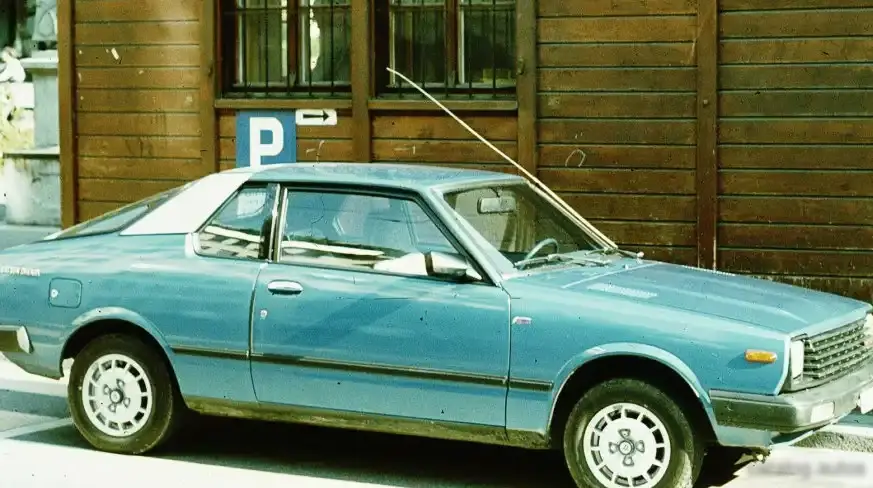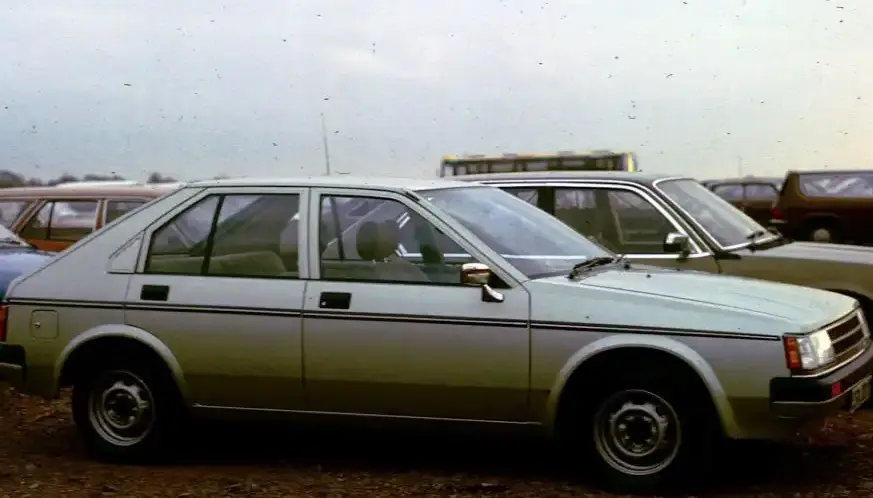
The Nissan Cherry N12, produced between 1983 and 1986, represented a significant step forward for Nissan’s small car offerings. Positioned as a subcompact sedan, the N12 Cherry aimed to provide affordable and reliable transportation, primarily targeting the Japanese domestic market and select export regions. The 1.5-liter, 75 horsepower variant was a mainstay of the lineup, offering a balance between fuel economy and usability. It served as the entry-level engine option, appealing to buyers prioritizing practicality over outright performance. This model played a crucial role in establishing Nissan’s presence in the increasingly competitive subcompact segment.
Technical Specifications
| Brand | Nissan |
| Model | Cherry |
| Generation | Cherry (N12) |
| Type (Engine) | 1.5 (75 Hp) |
| Start of Production | 1983 |
| End of Production | 1986 |
| Powertrain Architecture | Internal Combustion Engine |
| Body Type | Sedan |
| Fuel Type | Petrol (Gasoline) |
| Power | 75 Hp |
| Engine Aspiration | Naturally Aspirated |
Powertrain & Engine Architecture
The heart of the N12 Cherry 1.5 was the Nissan A15S engine, a 1.5-liter inline-four cylinder gasoline engine. This engine, while not particularly powerful by modern standards, was known for its durability and simplicity. The A15S featured a single overhead camshaft (SOHC) valvetrain, operating two valves per cylinder. Fuel delivery was managed by a carburetor, a common feature for vehicles of this era, rather than fuel injection. This carburetor setup contributed to the engine’s relatively straightforward maintenance requirements. The engine produced 75 horsepower at approximately 5,600 rpm and 88 lb-ft of torque at 3,200 rpm. The transmission paired with this engine was typically a three- or four-speed automatic, designed for smooth and comfortable operation. The automatic transmission was geared towards fuel efficiency and ease of use, rather than sporty acceleration. The A15S engine was a relatively simple design, making it accessible for mechanics and contributing to its reputation for reliability.
Driving Characteristics
The 1.5-liter, 75 hp Cherry N12 offered modest performance. Acceleration was adequate for city driving and highway merging required planning. The automatic transmission, while providing convenience, did detract from the overall responsiveness. The gear ratios were optimized for fuel economy, resulting in a noticeable delay during kickdown for passing maneuvers. Compared to the slightly more powerful (though rarely seen in export markets) 1.6-liter variants, the 1.5-liter felt noticeably slower. However, the 1.5-liter’s strength lay in its smooth and predictable power delivery. The engine was relatively quiet and refined for its class, making it a comfortable companion for daily commutes. The steering was light and easy, further enhancing the car’s user-friendliness. The suspension, tuned for comfort, absorbed bumps and imperfections in the road reasonably well, though it wasn’t particularly sporty in handling.
Equipment & Trim Levels
The N12 Cherry 1.5, as the entry-level model, typically came with a fairly basic level of equipment. Standard features generally included cloth upholstery, a simple dashboard layout with analog gauges, and a two-speaker AM/FM radio. Power steering was often optional, and air conditioning was typically an upgrade. Interior trim was functional and durable, prioritizing practicality over luxury. The seats were designed for comfort during longer journeys, though they lacked extensive bolstering. Optional extras included upgraded audio systems, a sunroof, and more premium interior trim materials. The trim level often dictated the availability of features like a digital clock or upgraded wheel covers. The overall interior design was typical of Japanese cars of the early 1980s – clean, functional, and focused on usability.
Chassis & Braking
The N12 Cherry utilized a front-engine, front-wheel-drive layout. The suspension consisted of MacPherson struts at the front and a twist-beam axle at the rear. This suspension setup provided a comfortable ride, but didn’t offer particularly engaging handling characteristics. The braking system was typically comprised of front disc brakes and rear drum brakes. The brakes were adequate for the car’s weight and performance, but lacked the stopping power of more modern systems. Stabilizer bars were often omitted on the base models to keep costs down, further contributing to the car’s softer handling. The chassis was relatively lightweight, contributing to the car’s fuel efficiency. The overall design prioritized affordability and ease of manufacturing over advanced engineering.
Market Reception & Comparison
The Nissan Cherry N12 1.5 received generally positive reviews for its reliability, fuel economy, and affordability. Critics praised its practicality and ease of use, making it a popular choice for first-time car buyers and those seeking a dependable commuter vehicle. However, the 1.5-liter engine was often criticized for its lack of power, particularly when compared to competitors offering larger displacement engines. Compared to other subcompacts of the era, such as the Toyota Corolla and Honda Civic, the Cherry offered a competitive price point and a comfortable ride. Fuel economy was a strong point, with the 1.5-liter engine achieving around 35-40 mpg in real-world driving conditions. Reliability was also a key selling point, with the A15S engine proving to be remarkably durable. The automatic transmission, while convenient, was often seen as a compromise in terms of performance.
Legacy
The Nissan Cherry N12, particularly the 1.5-liter variant, has developed a reputation for long-term reliability. Many examples are still on the road today, a testament to the quality of its engineering and construction. The A15S engine is known for its ability to withstand high mileage with proper maintenance. In the used car market, the N12 Cherry is often sought after by enthusiasts looking for a simple, affordable, and reliable classic car. Parts availability can be a challenge, but many components are still available through aftermarket suppliers. The N12 Cherry represents a significant chapter in Nissan’s history, demonstrating the company’s commitment to producing affordable and dependable transportation for the masses. While not a performance icon, the Cherry N12 1.5 remains a fondly remembered and surprisingly durable vehicle.