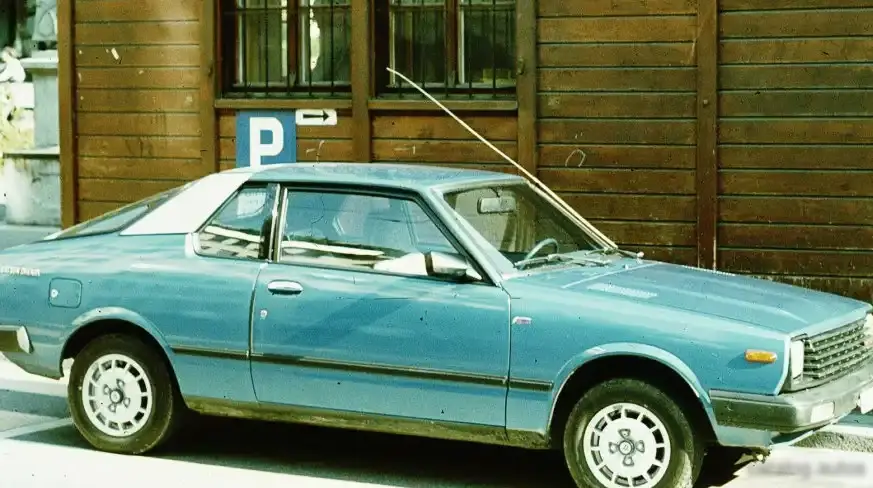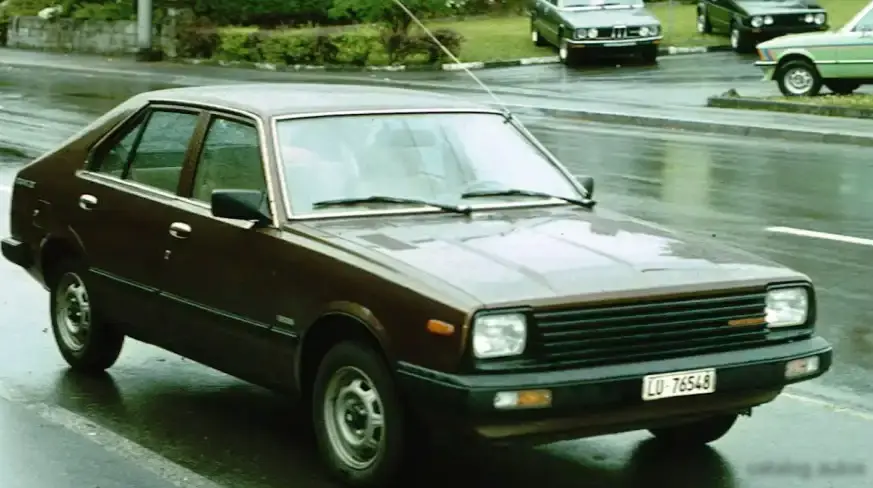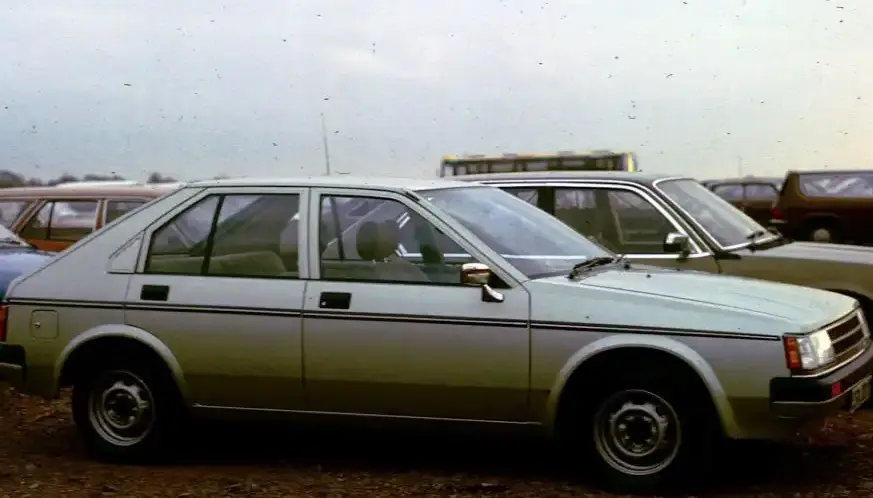
The Nissan Cherry N12, specifically the 1.7 D variant producing 54 horsepower, represents a significant entry point into the compact car market for Nissan during the early 1980s. Produced from 1982 to 1986, this model served as a fuel-efficient and affordable option within the N12 Cherry lineup, primarily aimed at buyers prioritizing economy over outright performance. The N12 series itself was a crucial model for Nissan, representing a move towards more modern, front-wheel-drive designs and a broader appeal to a wider customer base. This diesel variant, while not the most powerful in the range, offered a compelling package for those seeking low running costs and practicality.
Technical Specifications
| Brand | Nissan |
| Model | Cherry |
| Generation | Cherry (N12) |
| Type (Engine) | 1.7 D (54 Hp) |
| Start of Production | 1982 |
| End of Production | 1986 |
| Powertrain Architecture | Internal Combustion Engine |
| Body Type | Sedan |
| Fuel Type | Diesel |
| Power | 54 Hp |
| Engine Aspiration | Naturally Aspirated |
Powertrain & Engine Architecture
The heart of the Cherry N12 1.7 D is a 1682 cc inline-four cylinder diesel engine. This engine, while relatively simple in design, was engineered for durability and fuel efficiency. It utilizes indirect injection, a common feature for diesel engines of this era, employing a pre-combustion chamber to improve combustion efficiency and reduce noise. The engine’s modest 54 horsepower output at around 4,000 rpm and approximately 88 lb-ft of torque, delivered at a low 2,400 rpm, prioritized low-end grunt over high-speed performance. The engine block is cast iron, contributing to its robustness, while the cylinder head is aluminum. The valve train consists of a single overhead camshaft operating two valves per cylinder. The fuel injection system is a mechanical, Bosch-supplied unit, known for its reliability, though less precise than later electronic systems. The transmission paired with this engine is typically a four-speed manual, although a three-speed automatic transmission was also available, albeit less common. The automatic transmission, while offering convenience, further reduced the car’s acceleration capabilities.
Driving Characteristics
The driving experience in the Cherry N12 1.7 D is defined by its practicality and economy. Acceleration is deliberately unhurried; 0 to 60 mph times were typically in the 18-20 second range. This made it significantly slower than the gasoline-powered Cherry variants. However, the engine’s torque characteristics meant that it felt reasonably responsive in everyday driving situations, particularly around town. The four-speed manual transmission allowed for a degree of control, but the long gearing emphasized fuel economy over spirited driving. The automatic transmission, while providing ease of use, further dulled performance. The N12’s front-wheel-drive layout provided predictable handling, but the suspension, while adequate, was tuned for comfort rather than sporty dynamics. Steering was light and easy, making it maneuverable in urban environments. Overall, the 1.7 D was not a car for driving enthusiasts, but a sensible and economical choice for those seeking reliable transportation.
Equipment & Trim Levels
The Cherry N12 1.7 D typically occupied the base trim level within the N12 range. Standard equipment was relatively basic, reflecting its position as an affordable vehicle. This generally included cloth upholstery, vinyl floor covering, and a simple dashboard layout. Features like a radio were often optional extras. The interior was functional and durable, prioritizing practicality over luxury. Exterior features typically included steel wheels with hubcaps, black plastic bumpers, and relatively simple exterior trim. Optional extras could include a sunroof, upgraded upholstery, and a more sophisticated radio system. The trim level was often denoted by a simple badge on the rear of the car. The focus was on providing a no-frills, reliable vehicle at a competitive price point.
Chassis & Braking
The Nissan Cherry N12 utilized a front independent suspension with MacPherson struts and a rear semi-independent torsion beam suspension. This setup provided a reasonable balance between ride comfort and handling. The torsion beam rear suspension was a cost-effective solution, contributing to the car’s affordability. Braking was typically accomplished with front disc brakes and rear drum brakes. The braking system was adequate for the car’s weight and performance, but lacked the stopping power of more modern systems. Steering was rack and pinion, providing light and precise control. The chassis was a monocoque construction, providing a good level of structural rigidity. Stabilizer bars were not typically fitted to the base 1.7 D model, further emphasizing its focus on comfort over handling.
Market Reception & Comparison
The Nissan Cherry N12 1.7 D was generally well-received in European markets, where diesel engines were becoming increasingly popular due to their fuel efficiency. Critics praised its economy and reliability, but noted its lack of performance. Compared to the gasoline-powered Cherry variants, the 1.7 D offered significantly better fuel economy, but at the cost of acceleration and overall driving enjoyment. Against competitors like the Volkswagen Golf Diesel and the Ford Escort Diesel, the Cherry 1.7 D offered a competitive package in terms of price and fuel economy. However, some competitors offered more refined interiors or more powerful engines. The diesel variant appealed to a specific segment of the market – those prioritizing low running costs and practicality over performance. Its simplicity also meant lower maintenance costs compared to more complex gasoline engines.
Legacy
The Nissan Cherry N12 1.7 D, while not a particularly glamorous or high-performance vehicle, holds a significant place in Nissan’s history. It demonstrated the company’s commitment to fuel efficiency and affordability, and helped to establish the Cherry as a popular choice in the compact car segment. The 1.7 diesel engine proved to be remarkably durable, and many examples are still on the road today, albeit often showing their age. In the used car market, the Cherry N12 1.7 D is valued for its simplicity, reliability, and low running costs. It appeals to enthusiasts seeking a classic, economical vehicle, or those looking for a project car. While parts availability can be a challenge, the engine’s robust design and relatively simple mechanics make it a relatively easy vehicle to maintain for those with mechanical skills. The N12 series, and the 1.7 D variant in particular, represents a snapshot of automotive engineering from the early 1980s, prioritizing practicality and economy in a rapidly changing automotive landscape.