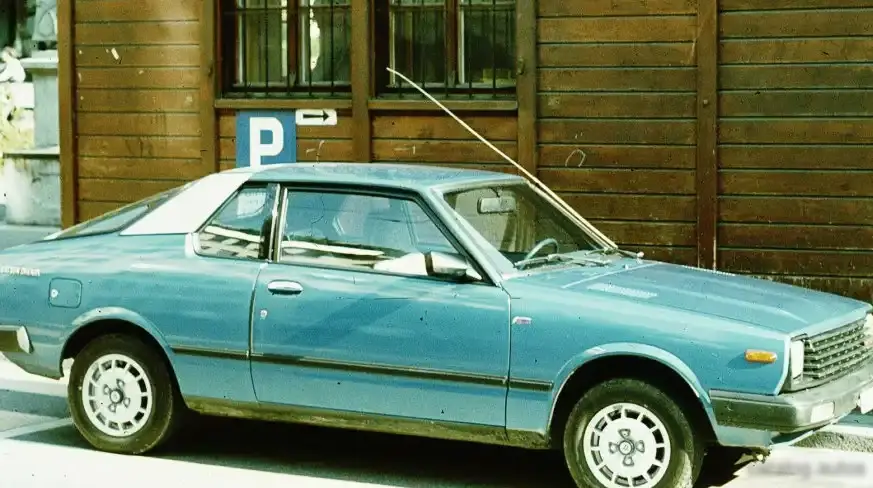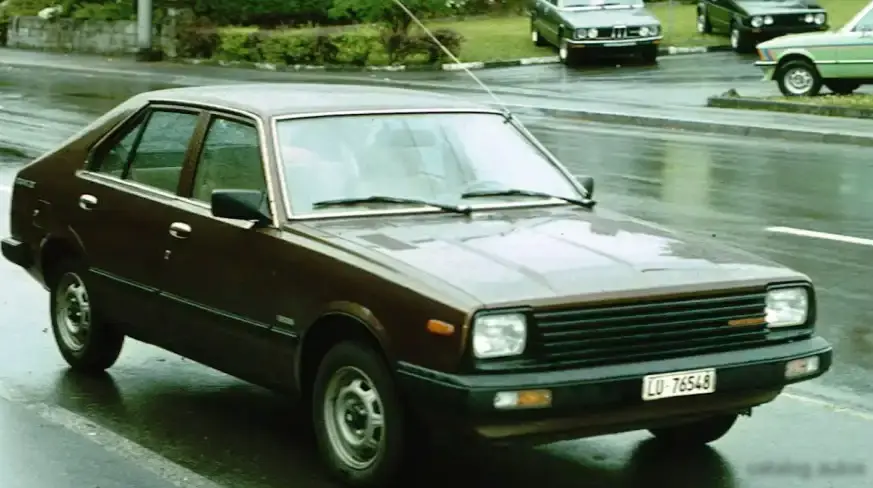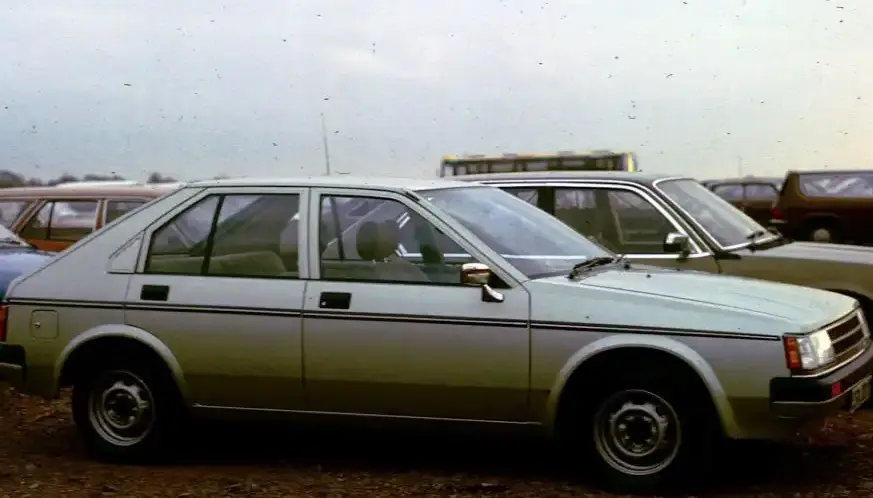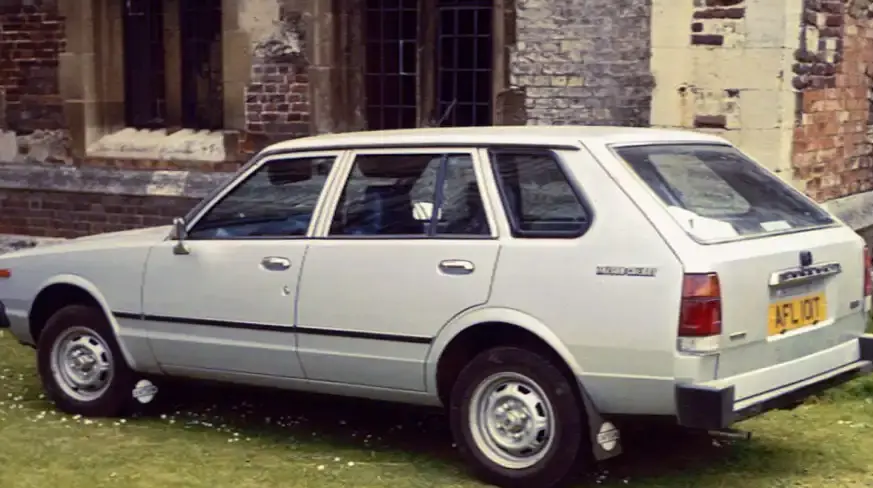
The Nissan Cherry Traveller (VN10) 1.3, produced between 1981 and 1983, represents a practical and economical station wagon variant of the popular Nissan Cherry. Positioned as an entry-level offering within the VN10 Cherry range, the Traveller aimed to provide affordable family transportation, particularly in European and Japanese markets where compact estates were highly valued. It served as a direct competitor to vehicles like the Opel Corsa Estate, Ford Fiesta Estate, and Toyota Corolla Estate, offering a blend of fuel efficiency and cargo capacity. The VN10 series, while not initially designed for the North American market, demonstrates Nissan’s early commitment to building versatile, small-displacement vehicles.
Technical Specifications
| Brand | Nissan |
| Model | Cherry |
| Generation | Cherry Traveller (VN10) |
| Type (Engine) | 1.3 (60 Hp) |
| Start of production | 1981 |
| End of production | 1983 |
| Powertrain Architecture | Internal Combustion Engine |
| Body type | Station Wagon (Estate) |
| Fuel Type | Petrol (Gasoline) |
| Power | 60 Hp |
| Engine Aspiration | Naturally Aspirated |
Powertrain & Engine Architecture
The heart of the Cherry Traveller 1.3 is the A13 engine, a 1.3-liter inline-four cylinder gasoline engine. This engine, a staple in Nissan’s small car lineup during the early 1980s, is known for its simplicity and reliability. It features a single overhead camshaft (SOHC) valvetrain operating two valves per cylinder. Fuel delivery is managed by a carburetor, a common feature for vehicles of this era, rather than fuel injection. The carburetor provides adequate fuel atomization for the engine’s modest power output. The A13 produces 60 horsepower at approximately 6,000 rpm and around 78 lb-ft of torque at 3,600 rpm. The engine is paired with a four-speed automatic transmission, offering convenient operation for urban driving. This automatic transmission, while providing ease of use, contributes to slightly lower fuel economy and slower acceleration compared to the available five-speed manual gearbox.
Driving Characteristics
The 1.3-liter engine and automatic transmission combination in the Cherry Traveller results in a driving experience focused on practicality rather than performance. Acceleration is modest, with a 0-60 mph time estimated to be around 15-17 seconds. The automatic transmission features relatively widely spaced gear ratios, prioritizing fuel economy over spirited driving. The gear changes are noticeable, but generally smooth for a transmission of that vintage. The vehicle’s light weight (approximately 1,700 lbs) helps to mitigate the lack of significant horsepower. In real-world conditions, the Cherry Traveller 1.3 is best suited for city driving and shorter highway trips. The automatic transmission makes it a comfortable choice for commuting, but overtaking maneuvers require careful planning. Compared to the manual transmission version, the automatic sacrifices some responsiveness, but gains in ease of use. Higher-spec Cherry models with larger engines (like the 1.5-liter) offered significantly more power and a more engaging driving experience, but at a higher price point.
Equipment & Trim Levels
The Cherry Traveller 1.3 was typically offered as a fairly basic trim level, reflecting its position as an entry-level model. Standard equipment generally included cloth upholstery, vinyl floor covering, and basic instrumentation consisting of a speedometer, fuel gauge, and temperature gauge. The steering wheel is a simple two-spoke design. Heating and ventilation were standard, but air conditioning was often an optional extra. Exterior features included steel wheels with hubcaps, chrome bumpers, and relatively simple lighting. Optional extras could include a radio, upgraded upholstery, and tinted glass. The interior design is functional and durable, prioritizing practicality over luxury. The rear seats typically fold down to increase cargo capacity, a key feature for a station wagon.
Chassis & Braking
The Cherry Traveller VN10 utilizes a relatively simple chassis design. It features a front MacPherson strut suspension and a rear leaf spring suspension. The leaf spring setup, while cost-effective, provides a somewhat firmer ride compared to more sophisticated independent rear suspension systems. The steering is a recirculating ball system, offering adequate precision for everyday driving. Braking is accomplished via front disc brakes and rear drum brakes. The braking system is adequate for the vehicle’s weight and performance, but lacks the stopping power of more modern systems. Stabilizer bars were not typically fitted to the base 1.3 model, contributing to a slightly more pronounced body roll in corners. The suspension is tuned for comfort and ride quality, rather than sporty handling.
Market Reception & Comparison
The Nissan Cherry Traveller 1.3 was generally well-received as an affordable and practical family car. Critics praised its fuel efficiency and spacious interior for its size. However, the 1.3-liter engine was often criticized for being underpowered, particularly when the vehicle was fully loaded with passengers and cargo. Compared to other trims in the Cherry lineup, the 1.3 automatic offered the lowest performance but the greatest ease of use. The manual transmission version of the 1.3 offered slightly better fuel economy and acceleration. The larger-engined Cherry models provided a more refined driving experience, but at a higher cost. In terms of reliability, the A13 engine proved to be quite durable, with many examples remaining on the road for many years. Fuel economy was a strong point, averaging around 35-40 mpg in mixed driving conditions.
Legacy
The Nissan Cherry Traveller VN10 1.3, while not a performance icon, holds a significant place in Nissan’s history as a practical and affordable family car. The A13 engine, while simple, proved to be remarkably reliable, and many examples continue to operate today. In the used car market, these vehicles are often sought after by enthusiasts looking for a classic, economical, and easy-to-maintain vehicle. Parts availability can be a challenge, but many components are still available through specialist suppliers. The Cherry Traveller represents a snapshot of automotive engineering from the early 1980s, showcasing a focus on practicality, fuel efficiency, and affordability. It laid the groundwork for Nissan’s future success in the compact car segment, and its enduring reliability continues to earn it a loyal following among classic car enthusiasts.