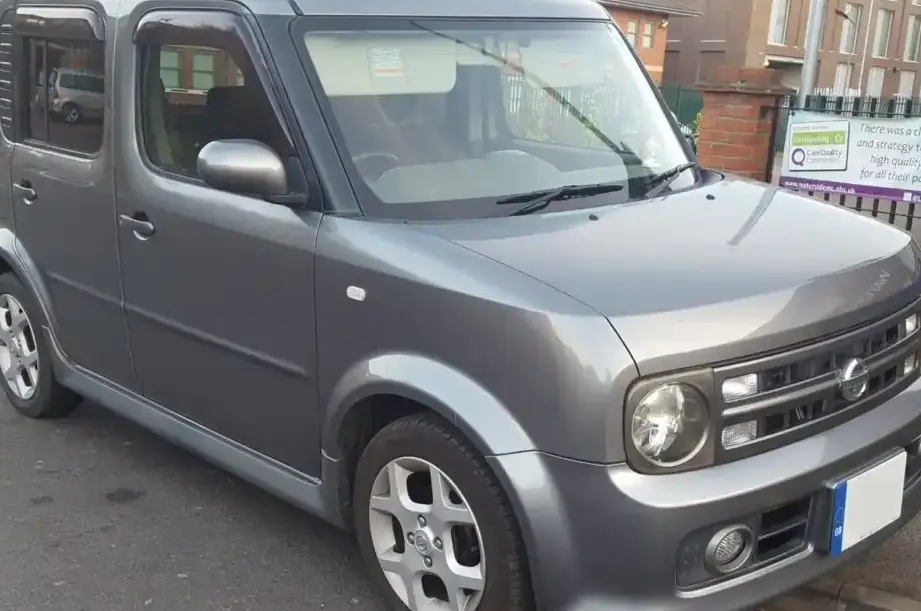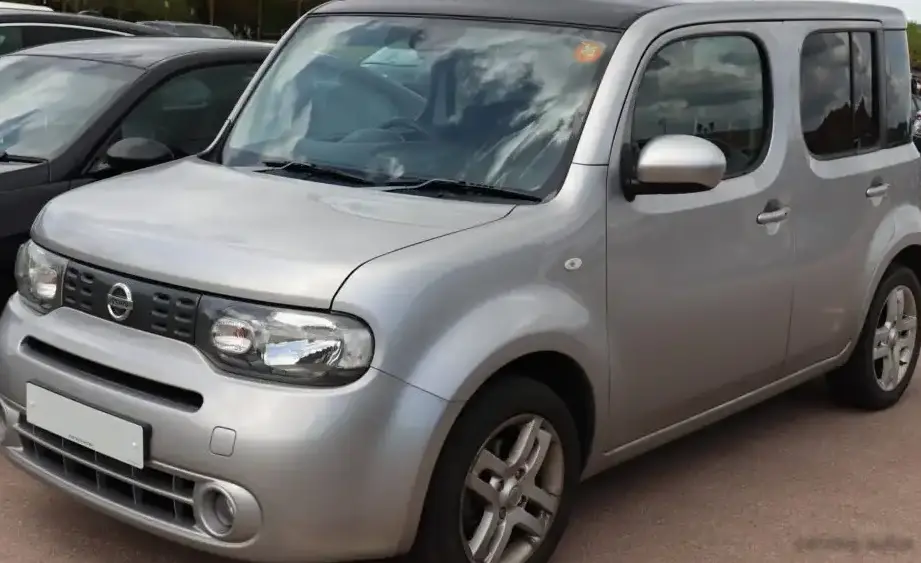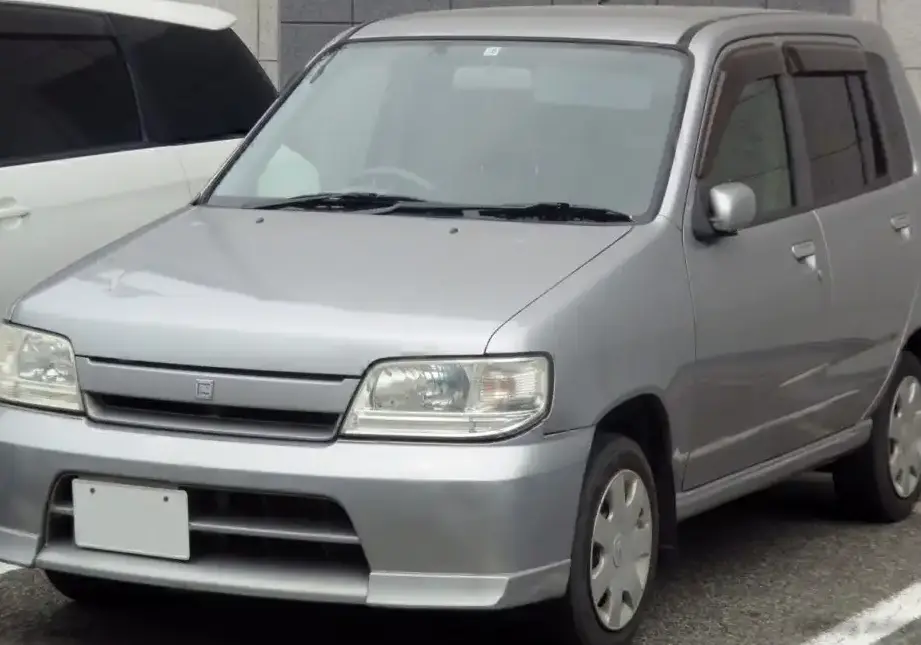
The Nissan Cube (Z10) 1.3 i 16V, produced primarily for the Japanese domestic market (JDM) and select European countries in 2002, represents a unique entry point into the third generation of the Cube lineage. This variant, powered by a 1.3-liter gasoline engine paired with a four-speed automatic transmission, was positioned as an economical and practical option within the Cube range. While not officially sold in the United States during this generation, the Z10 Cube gained a cult following for its distinctive boxy design and surprisingly spacious interior. It served as a budget-friendly alternative to larger, more conventional minivans and hatchbacks.
Technical Specifications
| Brand | Nissan |
| Model | Cube |
| Generation | Cube (Z10) |
| Type (Engine) | 1.3 i 16V (101 Hp) |
| Start of production | 2002 |
| End of production | 2002 |
| Powertrain Architecture | Internal Combustion engine |
| Body type | Minivan |
| Seats | 5 |
| Doors | 5 |
| Fuel consumption (combined) | 6.3 l/100 km (37.3 US mpg, 44.8 UK mpg, 15.9 km/l) |
| Fuel Type | Petrol (Gasoline) |
| Maximum speed | 180 km/h (111.85 mph) |
| Weight-to-power ratio | 10.7 kg/Hp, 93.5 Hp/tonne |
| Weight-to-torque ratio | 8.8 kg/Nm, 113.9 Nm/tonne |
| Power | 101 Hp @ 6400 rpm |
| Power per litre | 74.9 Hp/l |
| Torque | 123 Nm @ 4400 rpm (90.72 lb.-ft. @ 4400 rpm) |
| Engine layout | Front, Transverse |
| Engine displacement | 1348 cm3 (82.26 cu. in.) |
| Number of cylinders | 4 |
| Engine configuration | Inline |
| Cylinder Bore | 72 mm (2.83 in.) |
| Piston Stroke | 82.8 mm (3.26 in.) |
| Compression ratio | 10:1 |
| Number of valves per cylinder | 4 |
| Fuel injection system | Multi-port manifold injection |
| Engine aspiration | Naturally aspirated engine |
| Valvetrain | DOHC |
| Kerb Weight | 1080 kg (2380.99 lbs.) |
| Max. weight | 1355 kg (2987.26 lbs.) |
| Max load | 275 kg (606.27 lbs.) |
| Length | 3750 mm (147.64 in.) |
| Width | 1610 mm (63.39 in.) |
| Height | 1630 mm (64.17 in.) |
| Front track | 1375 mm (54.13 in.) |
| Rear (Back) track | 1335 mm (52.56 in.) |
| Drivetrain Architecture | The Internal combustion engine (ICE) drives the front wheels of the vehicle. |
| Drive wheel | Front wheel drive |
| Number of gears and type of gearbox | 4 gears, automatic transmission |
| Front suspension | Coil spring |
| Rear suspension | Coil spring |
| Front brakes | Disc |
| Rear brakes | Disc |
| Steering type | Steering rack and pinion |
| Tires size | 175/60 R15 |
Powertrain & Engine Architecture
The heart of the Z10 Cube 1.3 i 16V is the Nissan QG13DE engine. This 1.348-liter inline-four cylinder engine utilizes a dual overhead camshaft (DOHC) valvetrain with four valves per cylinder, contributing to its relatively efficient operation. The engine employs multi-point fuel injection, delivering fuel directly to each intake port. The QG series engines were known for their reliability and smooth operation, though they weren’t particularly powerful. The 101 horsepower output at 6400 rpm and 123 Nm (90.72 lb-ft) of torque at 4400 rpm were modest, even for the compact car segment. Paired with a four-speed automatic transmission, the powertrain prioritized fuel economy and ease of use over outright performance. This automatic transmission, while providing convenience, was a conventional hydraulic unit and lacked the sophistication of more modern transmissions.
Driving Characteristics
The 1.3L automatic Cube offered a comfortable, if uninspiring, driving experience. Acceleration was adequate for city driving, but merging onto highways or overtaking required careful planning. The four-speed automatic transmission, while smooth, had relatively wide gear ratios, meaning the engine often felt strained during acceleration. Compared to the available manual transmission or the more powerful 1.5-liter engine options, the 1.3L automatic was noticeably slower. The focus was on providing a relaxed and economical driving experience, making it well-suited for urban commutes and shorter trips. The front-wheel-drive configuration provided predictable handling, but the suspension was tuned for comfort rather than sporty dynamics.
Equipment & Trim Levels
The Z10 Cube 1.3 i 16V typically came with a fairly basic level of equipment, reflecting its position as an entry-level model. Standard features generally included power steering, air conditioning, and a basic audio system. Interior upholstery was typically cloth, and the dashboard featured a functional, if somewhat utilitarian, design. Optional extras could include power windows, central locking, and upgraded audio systems. The Cube’s interior was notable for its clever use of space, offering a surprising amount of headroom and cargo capacity for its compact dimensions. The rear seats could be folded down to create a larger cargo area, enhancing its practicality.
Chassis & Braking
The Z10 Cube utilized a relatively simple chassis design, featuring coil spring suspension at all four corners. The front suspension employed MacPherson struts, while the rear suspension utilized a torsion beam setup. This configuration provided a comfortable ride, but didn’t offer particularly sharp handling. Braking duties were handled by disc brakes on all four wheels, providing adequate stopping power for the vehicle’s weight and performance. The steering system was a rack-and-pinion setup, offering light and easy steering feel. The 175/60 R15 tires provided a reasonable balance of grip and ride comfort.
Market Reception & Comparison
The Nissan Cube 1.3 i 16V was generally well-received as an affordable and practical city car. Critics praised its spacious interior, distinctive styling, and fuel efficiency. However, the engine’s lack of power and the automatic transmission’s somewhat dated design were common criticisms. Compared to other trims in the Cube lineup, such as the 1.5-liter models, the 1.3L automatic offered lower performance but better fuel economy. It appealed to buyers who prioritized practicality and affordability over driving excitement. In terms of reliability, the QG13DE engine proved to be generally robust, with few major issues reported. Fuel economy was a strong point, consistently achieving around 37-45 mpg in real-world driving conditions.
Legacy
The Nissan Cube Z10 1.3 i 16V, while not a performance icon, holds a unique place in automotive history as a quirky and practical city car. The QG13DE engine, when properly maintained, has proven to be a reliable unit, and used examples continue to be relatively affordable. Today, the Z10 Cube is gaining popularity among enthusiasts who appreciate its distinctive styling and retro charm. While finding parts may become increasingly challenging over time, the Cube’s simple mechanical design makes it relatively easy to maintain for those with some mechanical aptitude. It remains a testament to Nissan’s willingness to experiment with unconventional designs and cater to a niche market.