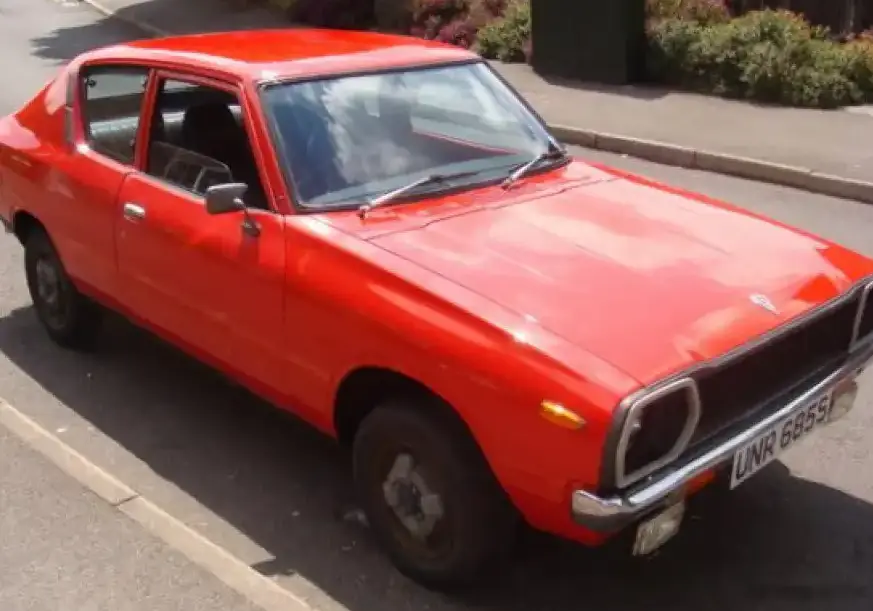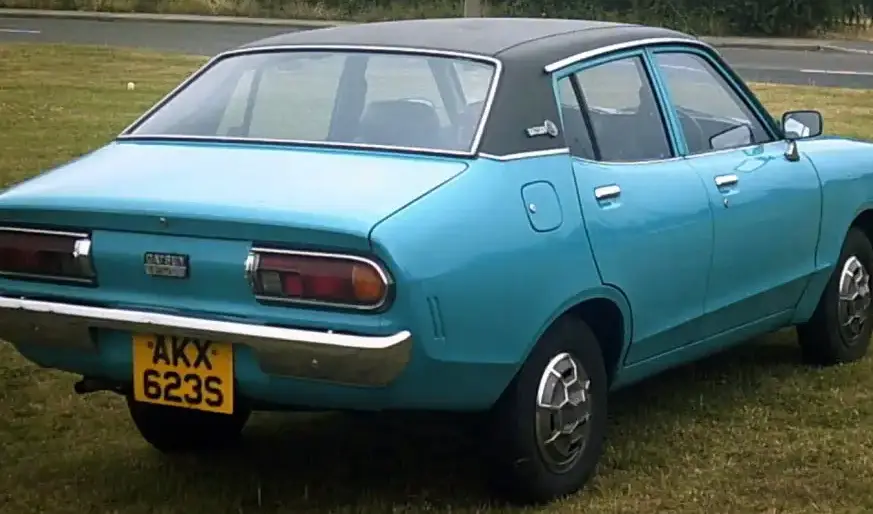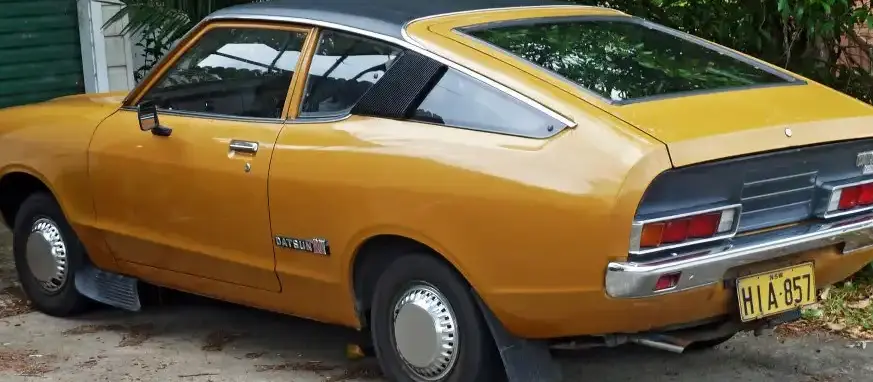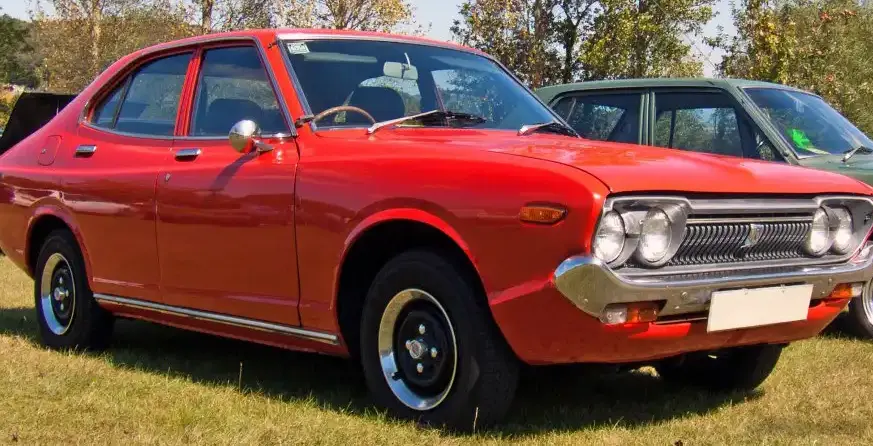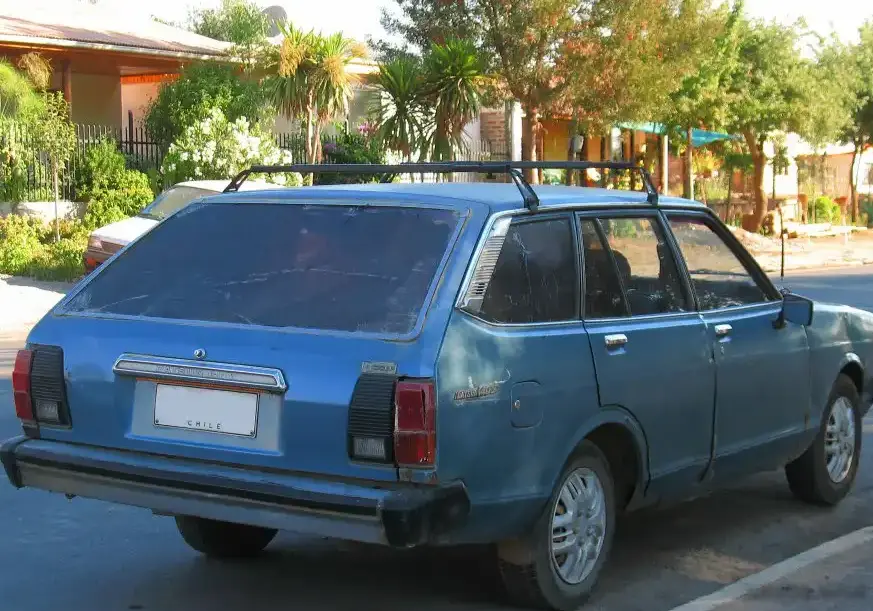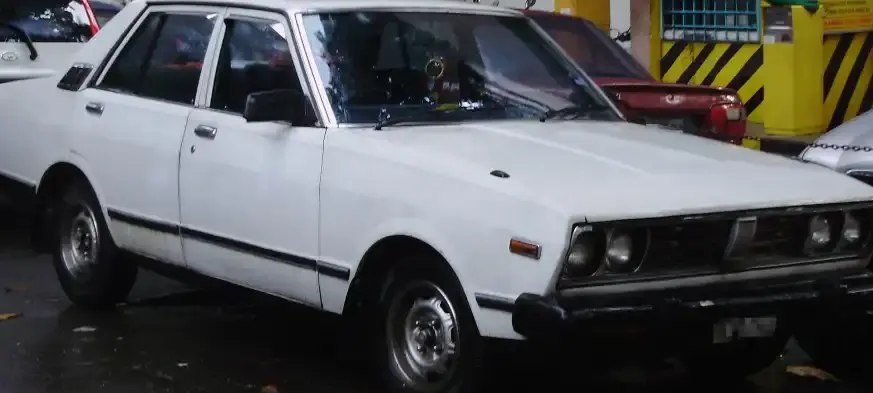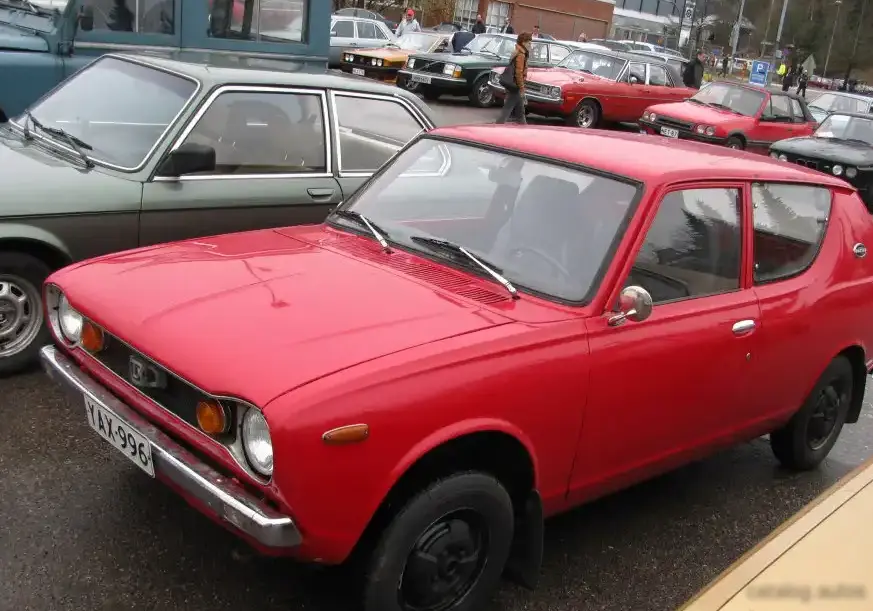
The Nissan Datsun 100A Combi, specifically the F-II 1.0 variant (WBLF10) producing 45 horsepower, was a practical and economical station wagon produced between 1975 and 1980. This model represented a key offering in Nissan’s Datsun lineup, primarily targeted at the Japanese domestic market (JDM) and select export markets where compact, fuel-efficient vehicles were in high demand. The Combi, meaning “wagon” in Japanese, filled a niche for small families and businesses needing a versatile vehicle. It was based on the B110 series Datsun Sunny, and the WBLF10 chassis code designates the station wagon body style. This particular 45 hp version served as the entry-level engine option for the Combi, prioritizing affordability and fuel economy over outright performance.
Technical Specifications
| Brand | Nissan/Datsun |
| Model | Datsun 100A Combi |
| Generation | Datsun 100A Combi (WBLF10) |
| Type (Engine) | F-II 1.0 (WBLF10) (45 hp) |
| Start of Production | 1975 |
| End of Production | 1980 |
| Powertrain Architecture | Internal Combustion Engine |
| Body Type | Station Wagon (Estate) |
| Fuel Type | Petrol (Gasoline) |
| Power | 45 hp |
| Engine Aspiration | Naturally Aspirated |
Powertrain & Engine Architecture
The heart of the Datsun 100A Combi F-II 1.0 was the A10S engine, a 988cc (60.2 cubic inch) inline-four cylinder gasoline engine. This engine, part of Nissan’s A-series family, was known for its simplicity and reliability. The “F-II” designation refers to a specific iteration of the A10 engine, incorporating minor improvements over earlier versions. It featured a single overhead camshaft (SOHC) valvetrain operating two valves per cylinder. Fuel delivery was managed by a Hitachi-supplied carburetor, a common setup for vehicles of this era and price point. The engine’s relatively low compression ratio (typically around 8.5:1) contributed to its ability to run on lower octane fuel, a significant advantage in many markets. The 45 horsepower output was achieved at approximately 6,000 rpm, with peak torque of around 58 lb-ft at 3,600 rpm. The engine was typically paired with a three-speed automatic transmission, although a four-speed manual was also available. The automatic transmission was a simple three-speed unit, designed for smooth operation rather than sporty performance. It lacked overdrive, which impacted highway fuel economy.
Driving Characteristics
The 100A Combi with the 1.0-liter engine and automatic transmission was not designed for speed. Acceleration was modest, and overtaking required careful planning. The automatic transmission’s gear ratios were optimized for low-end torque and drivability in urban environments. The vehicle felt somewhat sluggish at highway speeds, particularly when climbing hills. However, the engine was remarkably smooth and quiet for its size, and the automatic transmission provided a comfortable driving experience. The steering was light and easy, making it maneuverable in tight spaces. The suspension, while basic, provided a reasonably comfortable ride, absorbing bumps and imperfections in the road surface adequately. Compared to the slightly more powerful 1.2-liter engine option, the 1.0-liter version felt noticeably slower, especially when fully loaded with passengers and cargo. The manual transmission versions offered a more engaging driving experience and slightly improved fuel economy, but the automatic was favored by buyers prioritizing convenience.
Equipment & Trim Levels
The Datsun 100A Combi F-II 1.0 was generally offered with a fairly basic level of equipment, reflecting its position as the entry-level trim. Standard features typically included vinyl upholstery, a basic AM radio, and simple steel wheels with hubcaps. The dashboard was functional and straightforward, with minimal ornamentation. Optional extras included upgraded cloth upholstery, a more powerful radio, and whitewall tires. Air conditioning was available as an option, but it was not commonly specified due to the engine’s limited power. The interior space was surprisingly generous for a vehicle of its size, thanks to the station wagon body style. The rear seats could be folded down to create a larger cargo area, enhancing its practicality. Trim levels were relatively limited, with most variations stemming from the addition of optional equipment.
Chassis & Braking
The 100A Combi utilized a body-on-frame construction, which was common for vehicles of this era. The front suspension consisted of independent MacPherson struts, while the rear suspension employed a solid axle with leaf springs. This setup provided a reasonable balance between ride comfort and load-carrying capacity. Braking was initially provided by drum brakes on all four wheels, although some later models were equipped with front disc brakes. The braking system was adequate for normal driving conditions, but it lacked the stopping power of more modern vehicles. Steering was of the recirculating ball type, providing a relatively indirect feel. The vehicle’s relatively light weight (around 1,650 lbs) helped to offset the limitations of the chassis and braking system.
Market Reception & Comparison
The Datsun 100A Combi F-II 1.0 was well-received in markets where fuel efficiency and affordability were paramount. Critics praised its practicality, reliability, and low running costs. However, its lack of power and basic equipment level were also noted. Compared to other compact station wagons of the time, such as the Toyota Corolla Wagon, the Datsun 100A Combi offered a competitive price point and a reputation for durability. The 1.2-liter engine option provided a noticeable performance improvement, but it came at a higher cost. Fuel economy for the 1.0-liter version was typically in the range of 30-35 mpg, making it an attractive option for budget-conscious buyers. Reliability was generally excellent, with many examples remaining on the road for decades.
Legacy
The Datsun 100A Combi F-II 1.0, while not a particularly glamorous vehicle, holds a significant place in automotive history as a representative of the fuel-efficient, practical cars that defined the 1970s. The A-series engine proved to be remarkably durable, and many examples are still running today. In the used car market, these vehicles are relatively rare and are often sought after by collectors and enthusiasts. The 1.0-liter automatic version is generally the most affordable variant, but its limited performance may not appeal to all buyers. Its simplicity and ease of maintenance make it a popular choice for those looking for a classic car that is relatively easy to keep on the road. The Combi’s enduring appeal lies in its honest design, reliable mechanicals, and practical versatility.