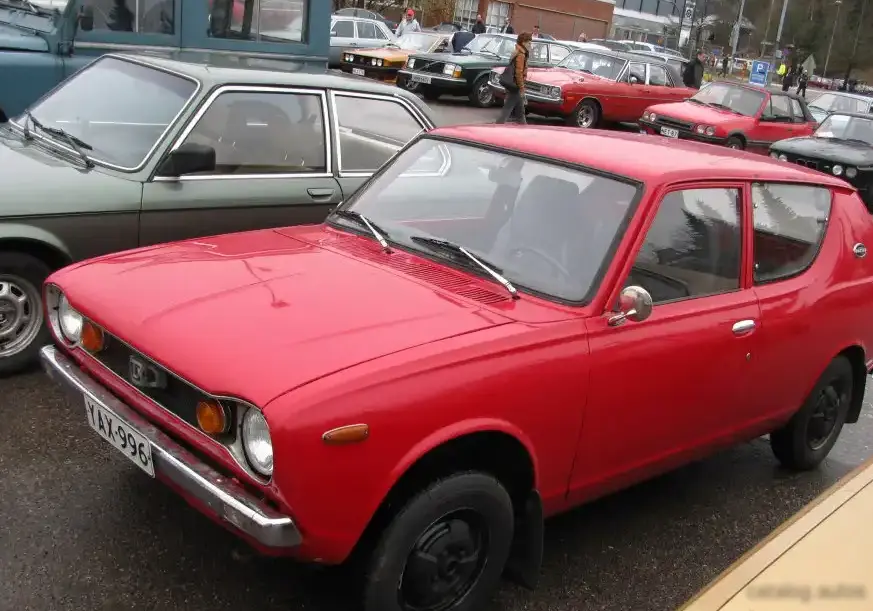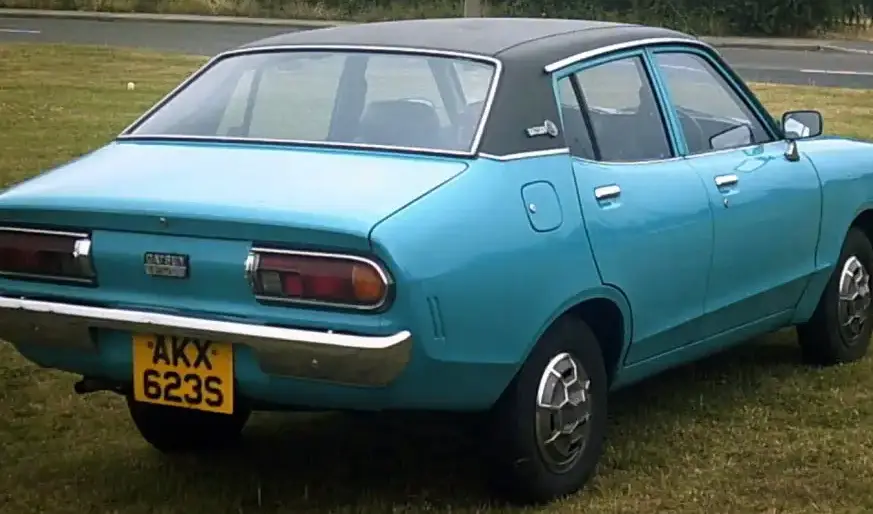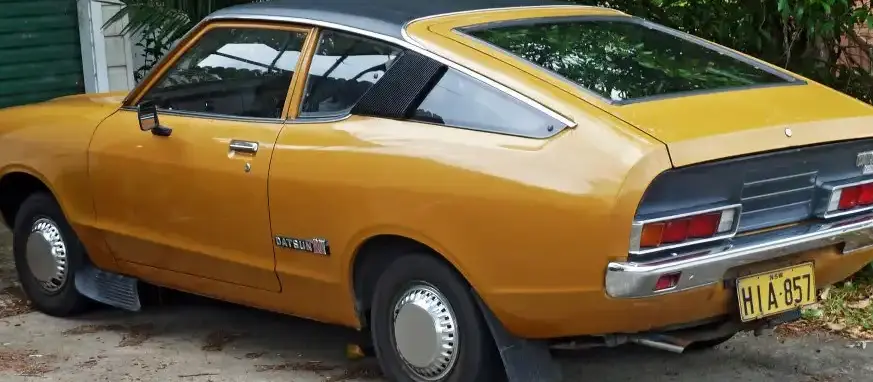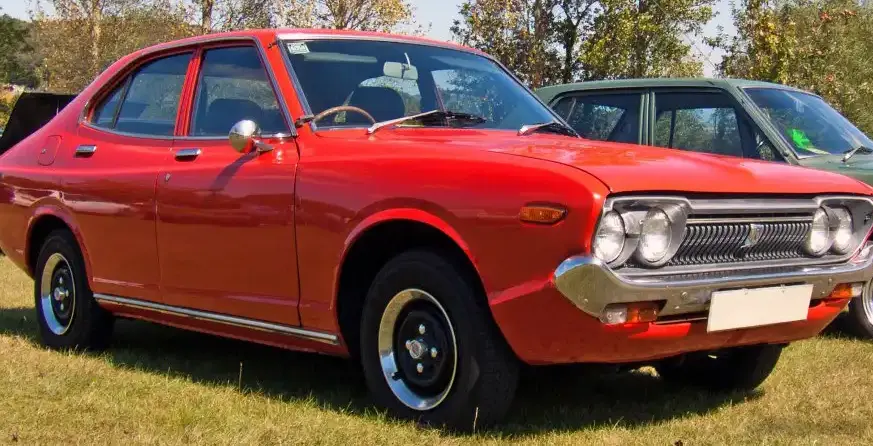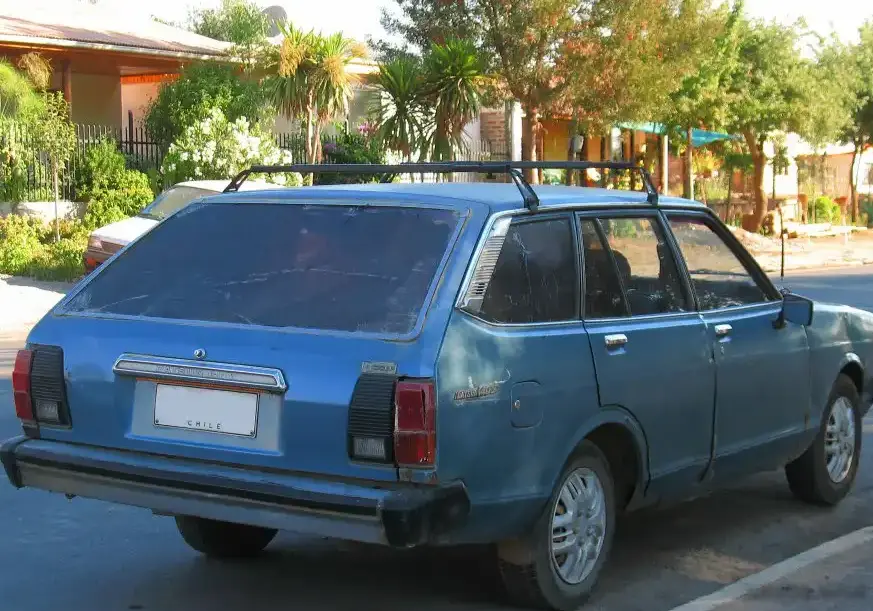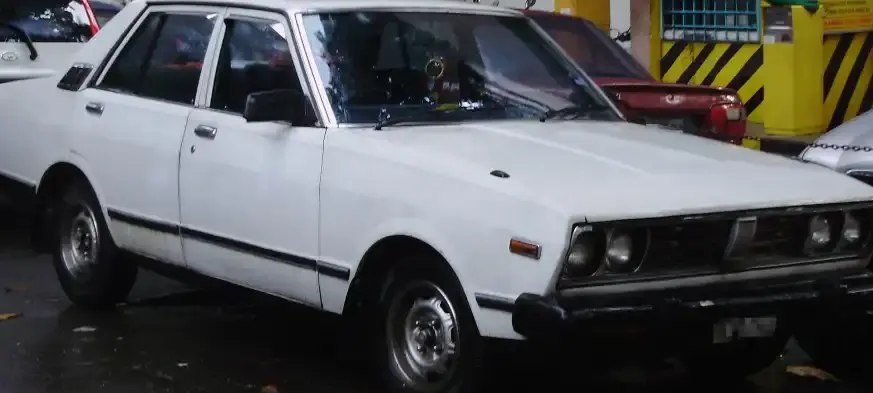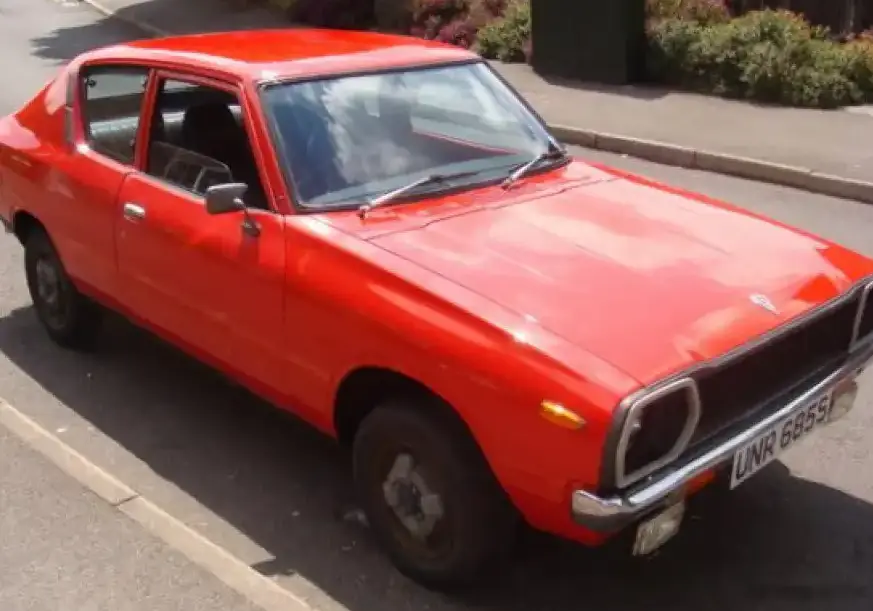
The Nissan Datsun 100A, produced between 1974 and 1978, represented a significant step in Nissan’s strategy to offer affordable and fuel-efficient transportation to a broader market. Falling within the E10 and BLF10 chassis codes, this model was primarily aimed at the Japanese domestic market (JDM) and select export markets, including Australia and parts of Southeast Asia. The 1.0-liter (E10) variant, producing 45 horsepower, served as the entry-level offering in the 100A lineup, prioritizing economy over outright performance. It was a direct response to rising fuel costs and increasing demand for compact cars during the mid-1970s. The 100A was a crucial model in bridging the gap between the older Datsun 510 and the later, more sophisticated Datsun Sunny (B11) series.
Technical Specifications
| Brand | Nissan/Datsun |
| Model | Datsun 100A |
| Generation | Datsun 100A (E10, BLF10) |
| Type (Engine) | 1.0L (E10) (45 hp) |
| Start of Production | 1974 |
| End of Production | 1978 |
| Powertrain Architecture | Internal Combustion Engine |
| Body Type | Sedan |
| Fuel Type | Petrol (Gasoline) |
| Power | 45 hp |
| Engine Aspiration | Naturally Aspirated |
Powertrain & Engine Architecture
The heart of the Datsun 100A 1.0 was the E10 engine, a 988cc inline-four cylinder gasoline engine. This engine was a relatively simple design, reflecting the focus on cost-effectiveness and reliability. It featured a single overhead camshaft (SOHC) operating two valves per cylinder. Fuel delivery was managed by a carburetor, typically a Hitachi or Mikuni unit, rather than fuel injection – a common feature of entry-level cars of the era. The E10 engine utilized a cast iron block and cylinder head, contributing to its durability. The 45 horsepower output was achieved at approximately 6000 rpm, with peak torque of around 58 lb-ft at 3600 rpm. The transmission paired with this engine was typically a four-speed manual, but a three-speed automatic transmission was also offered, albeit less commonly. The automatic transmission was a conventional hydraulic unit, prioritizing smooth operation over performance. The E10 engine code designates this specific displacement and configuration, differentiating it from other engine options available in the broader Datsun lineup.
Driving Characteristics
The 100A 1.0L with the automatic transmission was not designed for spirited driving. Acceleration was modest, and the car felt most comfortable at lower speeds. The three-speed automatic transmission had relatively wide gear ratios, prioritizing fuel economy over quick acceleration. The automatic transmission, while providing convenience, noticeably reduced the car’s responsiveness compared to the manual transmission version. Hill climbing required careful throttle management, as the engine lacked significant low-end torque. The steering was light and relatively precise for a car of its era, making it easy to maneuver in urban environments. The suspension, while basic, provided a reasonably comfortable ride on smooth roads, although it could become unsettled on rough surfaces. Overall, the driving experience was geared towards practicality and ease of use, rather than performance or driver engagement.
Equipment & Trim Levels
The Datsun 100A 1.0L, as the base model, was equipped with fairly basic amenities. Standard features typically included vinyl upholstery, a simple two-spoke steering wheel, and basic instrumentation consisting of a speedometer, fuel gauge, and temperature gauge. Radio was often an optional extra. The interior trim was functional and durable, prioritizing practicality over luxury. Exterior features included chrome bumpers, steel wheels with hubcaps, and relatively simple lighting. Optional extras included a radio, upgraded upholstery, and occasionally, a sunroof. The trim level was generally consistent across the 1.0L models, with limited opportunities for customization. The focus was on providing a reliable and affordable means of transportation with minimal frills.
Chassis & Braking
The Datsun 100A utilized a body-on-frame construction, which was common for cars of this size and price point in the 1970s. The suspension consisted of independent front suspension with coil springs and a solid rear axle with leaf springs. The front suspension provided reasonable handling, while the rear leaf springs contributed to a somewhat firm ride. Braking was typically accomplished with drum brakes on all four wheels, although some later models may have featured front disc brakes. The braking system was adequate for normal driving conditions, but lacked the stopping power of more modern systems. Steering was a recirculating ball system, providing light and relatively precise control. The chassis was designed for durability and ease of maintenance, rather than high-performance handling.
Market Reception & Comparison
The Datsun 100A 1.0L was generally well-received as an affordable and fuel-efficient option in its target market. Critics praised its reliability and low running costs, but noted its lack of performance. Compared to other trims in the 100A lineup, such as the 1.2L or 1.4L versions, the 1.0L offered significantly less power and acceleration. However, it also offered better fuel economy. The automatic transmission version was often criticized for further reducing the car’s performance. Competitors in the same segment included the Toyota Corolla and the Honda Civic, both of which offered similar levels of affordability and fuel efficiency. The Datsun 100A distinguished itself with its simple design and reputation for durability. Fuel economy was a key selling point, averaging around 35-40 mpg in real-world driving conditions.
Legacy
The Datsun 100A 1.0L powertrain, while not particularly powerful, proved to be remarkably reliable. The E10 engine is known for its longevity and relatively simple maintenance requirements. Many examples of the 100A 1.0L are still on the road today, a testament to its durability. In the used car market, these cars are often sought after by enthusiasts looking for a classic Japanese vehicle that is easy to maintain and relatively inexpensive to operate. Parts availability can be a challenge, but many components are still available through specialist suppliers. The 100A 1.0L represents a significant chapter in Nissan’s history, demonstrating the company’s commitment to providing affordable and reliable transportation to a global audience. It laid the groundwork for future generations of compact Datsun and Nissan vehicles.