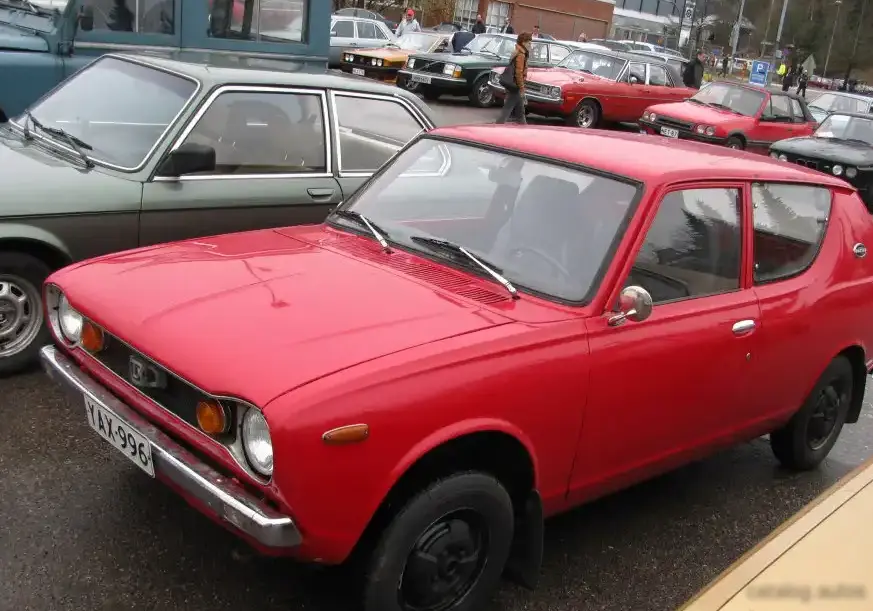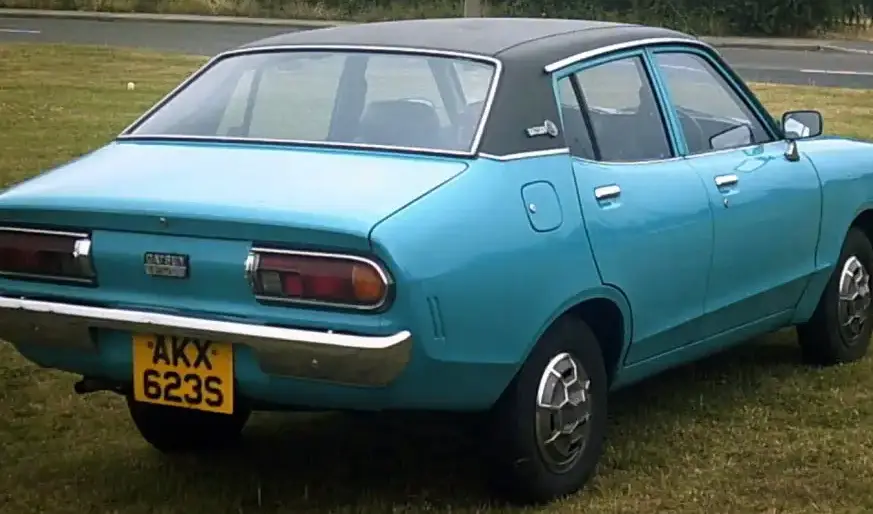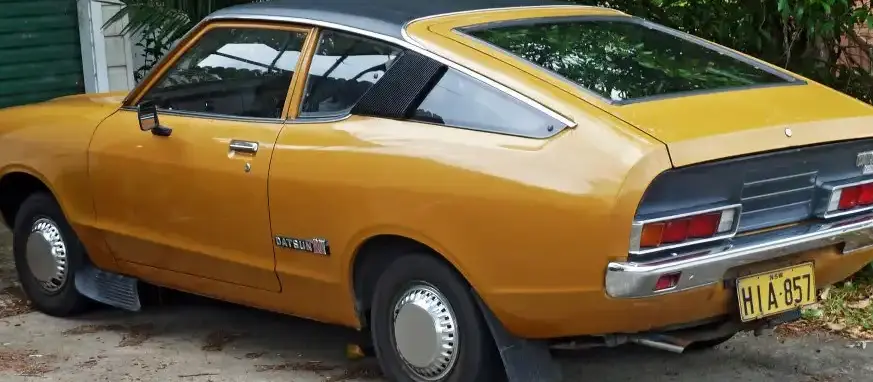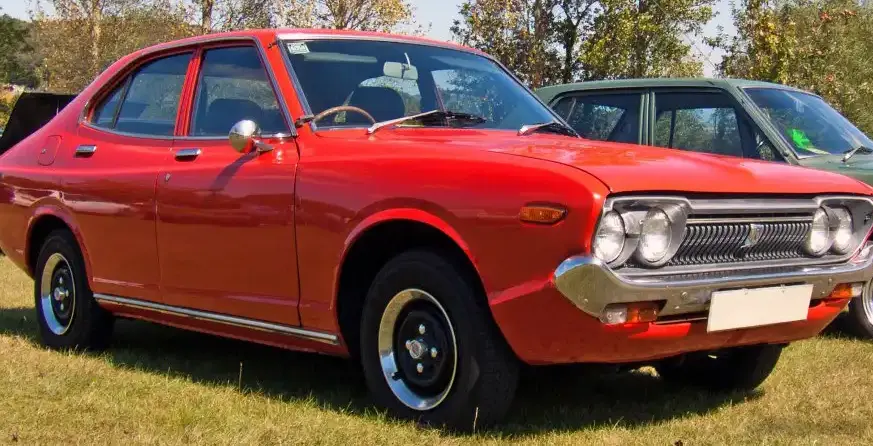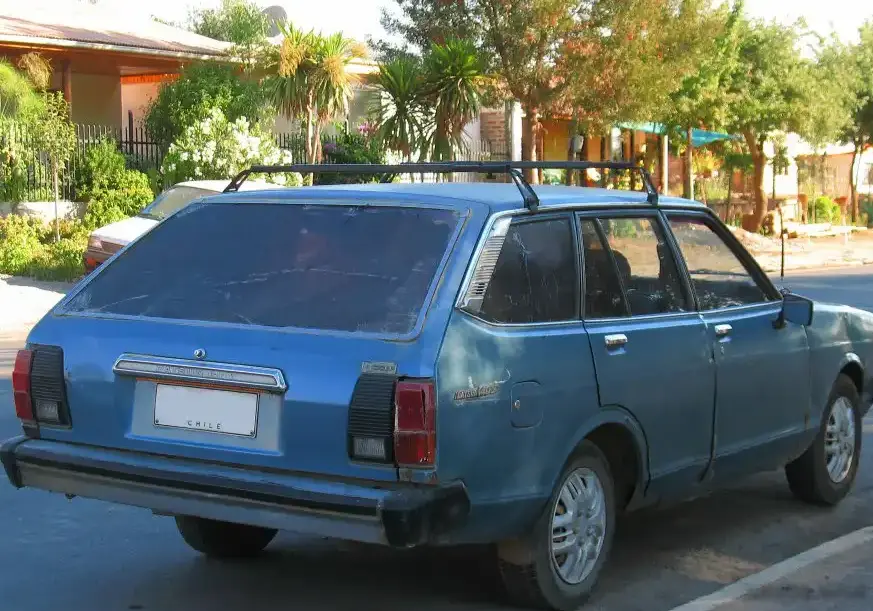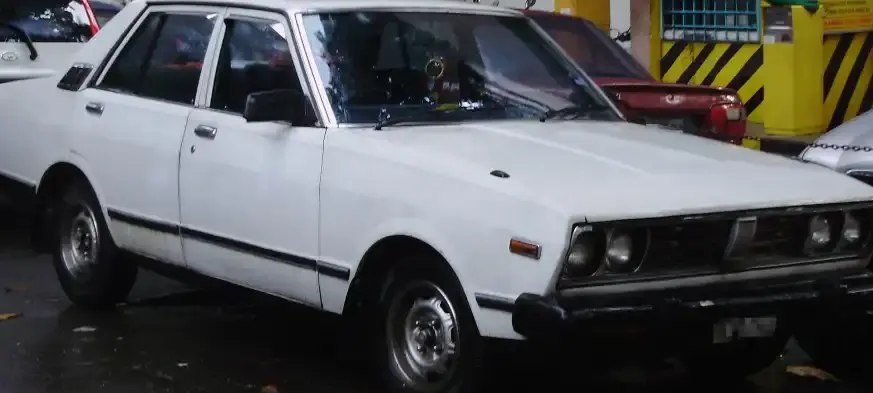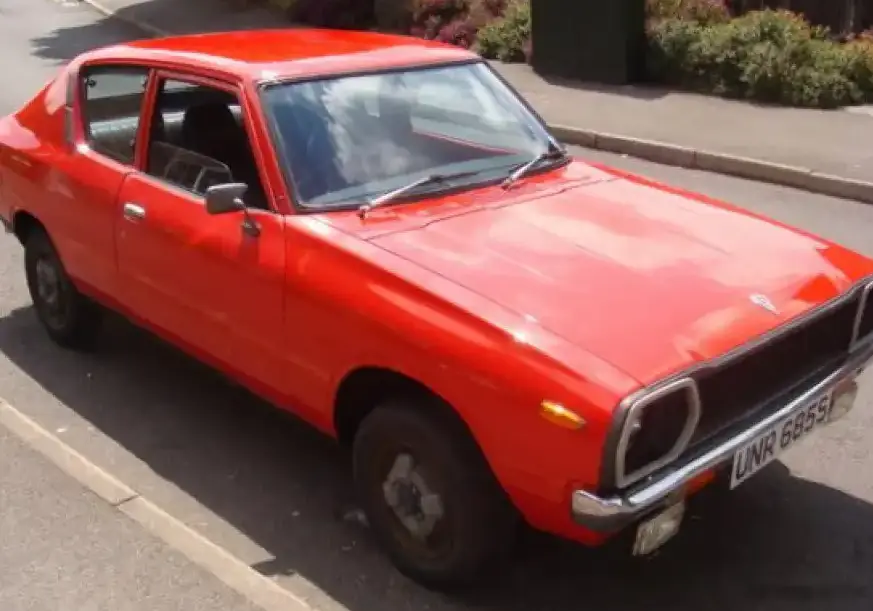
The Nissan Datsun 100A, produced between 1975 and 1980, represented a significant step in Nissan’s strategy to offer affordable and fuel-efficient transportation to a broader market. Specifically, the F-II 1.0 (BLF10) variant, equipped with a 45 horsepower engine, was positioned as the entry-level model within the 100A lineup. This model, built on the E10/BLF10 chassis, was primarily aimed at buyers seeking basic, reliable transportation, particularly in markets where smaller, economical cars were in high demand. The 100A was a direct successor to the earlier Datsun 100, and it served as a crucial model for Nissan as it navigated the changing automotive landscape of the 1970s, marked by rising fuel prices and increased consumer interest in compact vehicles.
Technical Specifications
| Brand | Nissan |
| Model | Datsun 100A |
| Generation | Datsun 100A (E10, BLF10) |
| Type (Engine) | F-II 1.0 (BLF10) (45 Hp) |
| Start of Production | 1975 |
| End of Production | 1980 |
| Powertrain Architecture | Internal Combustion Engine |
| Body Type | Sedan |
| Fuel Type | Petrol (Gasoline) |
| Power | 45 Hp |
| Engine Aspiration | Naturally Aspirated |
Powertrain & Engine Architecture
The heart of the Datsun 100A F-II 1.0 was the A10S engine, a 988cc (60.2 cubic inch) inline-four cylinder gasoline engine. This engine, part of Nissan’s A-series engine family, was known for its simplicity and durability. The A10S featured a single overhead camshaft (SOHC) design, operating two valves per cylinder. Fuel delivery was managed by a single, down-draft carburetor, a common setup for vehicles of this era and price point. The engine’s modest 45 horsepower output at 6000 rpm and 58 lb-ft of torque at 3600 rpm were sufficient for basic city driving and highway cruising, though acceleration was understandably leisurely. The BLF10 designation indicates the transmission pairing – in this case, a three-speed automatic transmission. This automatic was a relatively simple three-speed unit, designed for smooth, if not particularly sporty, operation. It lacked the overdrive gears found in some contemporary automatics, impacting highway fuel economy.
Driving Characteristics
The 100A F-II 1.0 with the automatic transmission offered a comfortable, albeit unhurried, driving experience. The three-speed automatic transmission provided smooth shifts, but the limited number of gears meant the engine often operated at higher RPMs during highway driving, contributing to increased noise and reduced fuel efficiency. Compared to the available four-speed manual transmission, the automatic version noticeably reduced acceleration times. The gear ratios were optimized for low-speed torque, making it easy to pull away from a stop, but the car lacked the responsiveness of the manual transmission when overtaking or climbing hills. The steering was light and easy, making it maneuverable in urban environments, but it lacked the precision and feedback desired by more enthusiastic drivers. The suspension, while adequate for everyday use, was tuned for comfort rather than sporty handling.
Equipment & Trim Levels
The Datsun 100A F-II 1.0, as the entry-level trim, was equipped with a fairly basic set of features. Standard equipment typically included vinyl upholstery, a simple two-spoke steering wheel, and basic instrumentation consisting of a speedometer, fuel gauge, and temperature gauge. Heating was standard, but air conditioning was generally an optional extra. The interior was functional and durable, prioritizing practicality over luxury. Exterior features included basic chrome trim, steel wheels with hubcaps, and relatively small tires. Optional extras included a radio, upgraded upholstery, and whitewall tires. The overall aesthetic was understated and functional, reflecting the car’s intended purpose as an affordable and reliable mode of transportation.
Chassis & Braking
The 100A utilized a body-on-frame construction, a common practice for cars of this era. The front suspension consisted of independent coil springs and wishbones, while the rear suspension employed a solid axle with leaf springs. This setup provided a comfortable ride, but it wasn’t particularly sophisticated in terms of handling. The braking system was relatively simple, featuring drum brakes on all four wheels. The drum brakes were adequate for the car’s weight and performance, but they lacked the stopping power and fade resistance of disc brakes. Steering was of the recirculating ball type, providing light steering effort but limited road feel. The chassis was designed for durability and ease of maintenance, rather than high-performance handling.
Market Reception & Comparison
The Datsun 100A F-II 1.0 was generally well-received as an affordable and reliable compact car. Critics praised its fuel efficiency and ease of driving, but noted its lack of power and refinement compared to more expensive models. Compared to other trims in the 100A lineup, such as those equipped with the larger 1.2-liter engine or the four-speed manual transmission, the F-II 1.0 offered the lowest price point but also the lowest performance. It competed with other small, economical cars of the time, such as the Toyota Corolla, Honda Civic, and Ford Fiesta. The 100A’s reputation for reliability and low running costs made it a popular choice among budget-conscious buyers. Fuel economy was a strong point, averaging around 35-40 mpg in typical driving conditions, which was competitive for the era.
Legacy
The Nissan Datsun 100A, particularly the F-II 1.0 variant, holds a modest but significant place in automotive history. The A10S engine proved to be remarkably durable, and many examples are still on the road today, often with high mileage. The automatic transmission, while not particularly advanced, was generally reliable. In the used car market, the 100A F-II 1.0 is often sought after by enthusiasts looking for a simple, affordable classic car. Its low running costs and ease of maintenance make it an attractive option for those seeking a vintage vehicle that is relatively easy to keep on the road. While not a performance icon, the 100A represents a pivotal moment in Nissan’s history, demonstrating the company’s commitment to providing affordable and reliable transportation to a global audience. Its enduring presence in the classic car community is a testament to its inherent durability and practicality.