Technical Specifications
| Brand | Nissan |
| Model | Datsun 120A |
| Generation | Datsun 120 |
| Type (Engine) | A F-II 1.2 (LF10) (52 Hp) |
| Start of Production | 1975 |
| End of Production | 1980 |
| Powertrain Architecture | Internal Combustion Engine |
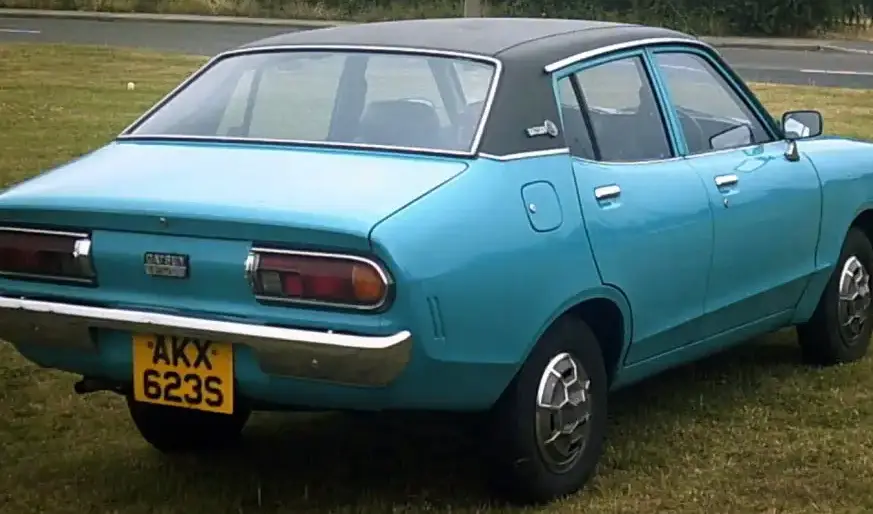
| Body Type | Sedan |
| Fuel Type | Petrol (Gasoline) |
| Power | 52 Hp |
| Engine Aspiration | Naturally Aspirated |
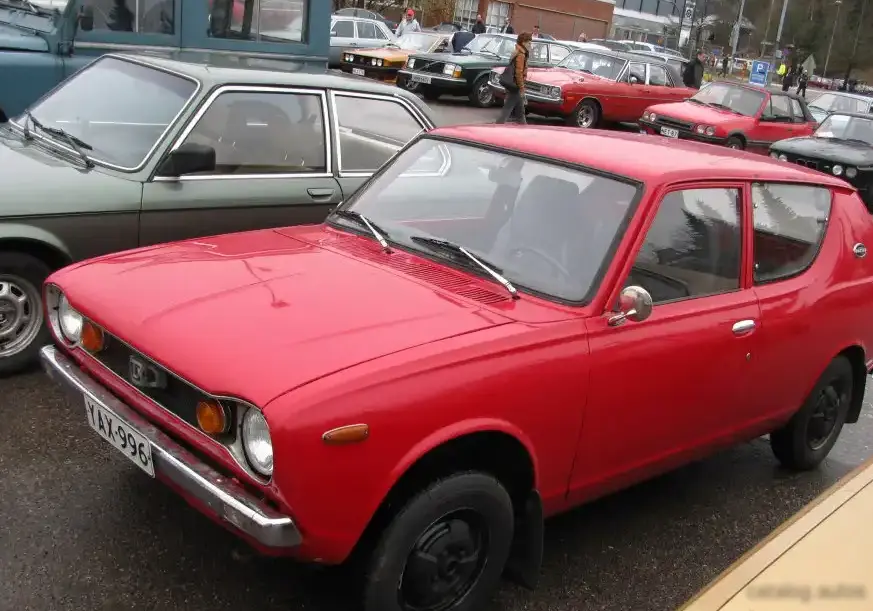
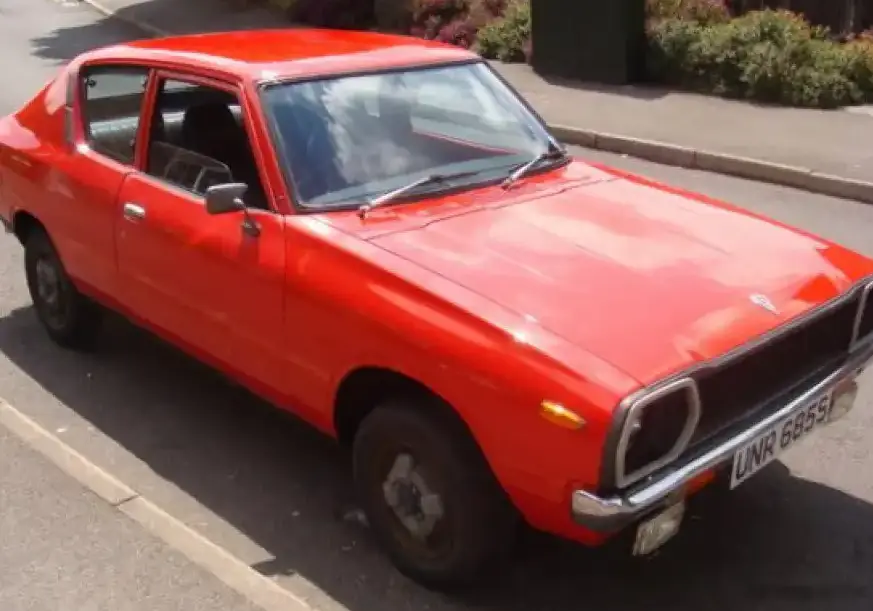
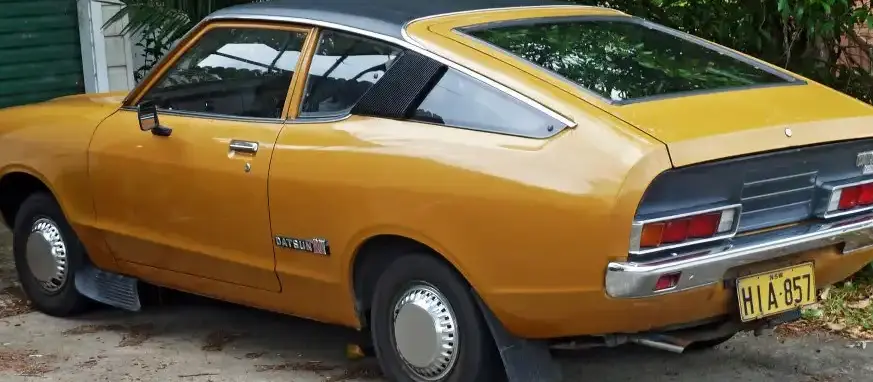
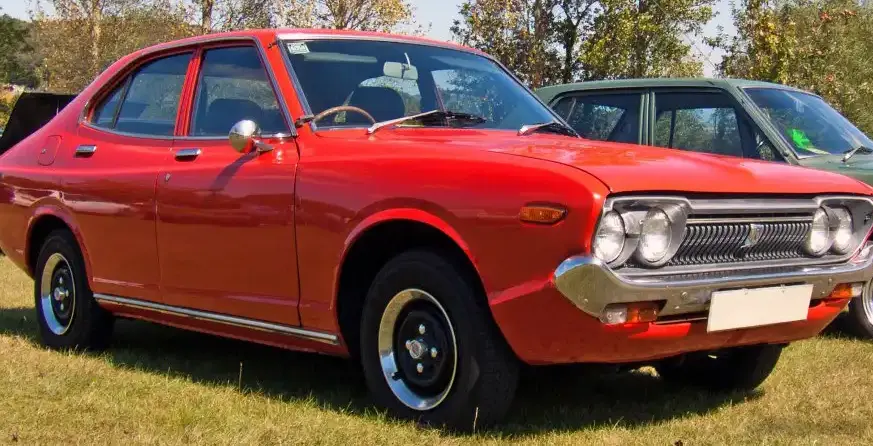
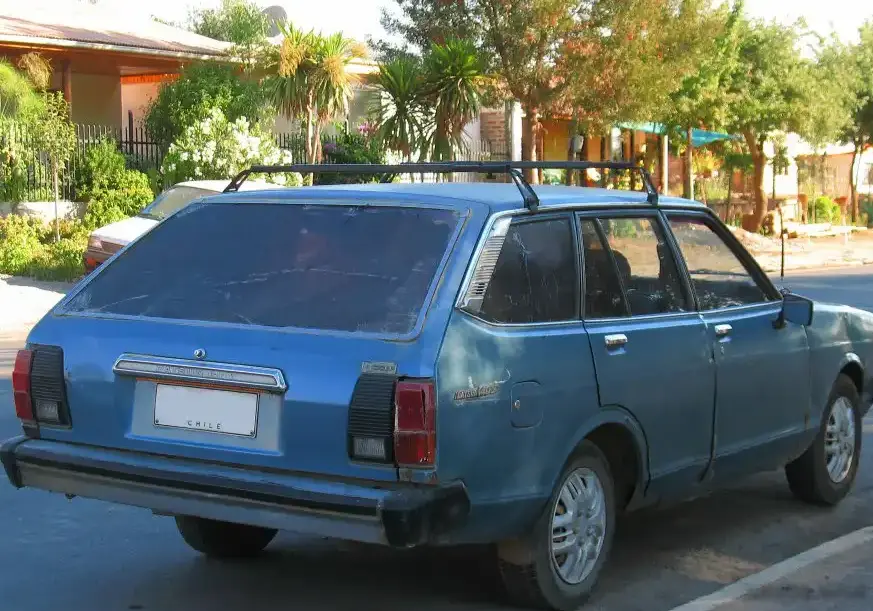
The Nissan Datsun 120A, specifically the F-II 1.2 variant powered by the LF10 engine producing 52 horsepower, marked a crucial entry point into the compact car market for Nissan during the mid-to-late 1970s. Produced from 1975 to 1980, this model was part of the broader Datsun 120 series and aimed to provide affordable and reliable transportation for families and commuters. It occupied the base trim level within the 120A range, positioned below the more powerful 1.4 and 1.6-liter options. The 120A series was a pivotal step for Nissan in establishing a stronger presence in international markets, particularly in North America and Europe, offering a modern alternative to existing European and domestic compacts.
Powertrain & Engine Architecture
The heart of the Datsun 120A F-II 1.2 is the LF10 engine, an 1171cc inline-four cylinder gasoline engine. This engine belongs to Nissan’s A-series engine family, renowned for its simplicity and durability. The LF10 is naturally aspirated, meaning it doesn’t employ a turbocharger or supercharger. Fuel delivery is managed by a carburetor, specifically a Hitachi H40W, a common feature for vehicles of this era. The engine features a single overhead camshaft (SOHC) valvetrain, operating two valves per cylinder. While this configuration doesn’t offer the performance benefits of dual overhead cam designs, it significantly contributed to the engine’s reliability and ease of maintenance. The 52 horsepower output is achieved at approximately 6000 rpm, with peak torque of around 68 lb-ft at 3600 rpm. The transmission typically paired with the LF10 in this variant is a four-speed manual, although a three-speed automatic transmission, the Jatco 3AT, was also available, though less common. The automatic transmission was geared towards providing smooth, comfortable driving rather than sporty performance.
Driving Characteristics
The 120A F-II 1.2, particularly in its base configuration, offered modest performance. Acceleration was adequate for city driving and highway merging, but it wasn’t designed for rapid speeds. The estimated 0-60 mph time was around 16-18 seconds. The four-speed manual transmission allowed drivers to extract the most from the engine, while the three-speed automatic resulted in a more relaxed, but slower, driving experience. The automatic’s gear ratios were spaced to prioritize fuel economy and smooth operation. The engine’s torque curve was relatively flat, providing usable power across a reasonable rpm range, but it lacked the punch of the larger 1.4 and 1.6-liter engines. Handling was predictable and safe, with a focus on comfort rather than sporty dynamics. The steering was light, making it easy to maneuver in urban environments. The car felt stable at highway speeds, but wasn’t particularly engaging for enthusiastic drivers.
Equipment & Trim Levels
As the entry-level trim, the Datsun 120A F-II 1.2 came with a relatively basic set of standard features. The interior typically featured vinyl upholstery, although cloth options were sometimes available. The dashboard was functional and straightforward, with basic instrumentation including a speedometer, fuel gauge, and temperature gauge. A two-spoke steering wheel was standard. Optional extras included a radio, heater, and upgraded interior trim. The exterior featured simple steel wheels with hubcaps, and chrome bumpers. The overall aesthetic was understated and practical, reflecting the car’s intended purpose as an affordable and reliable mode of transportation. The trim level was identified by minimal badging, often simply “120A” on the rear. Power steering and air conditioning were generally not available on this base model.
Chassis & Braking
The Datsun 120A utilized a body-on-frame construction, a common practice for cars of this era. The suspension consisted of independent front suspension with coil springs and a solid rear axle with leaf springs. This setup provided a comfortable ride, but wasn’t particularly sophisticated in terms of handling. The braking system was relatively simple, featuring drum brakes on all four wheels. While adequate for the car’s weight and performance, the drum brakes lacked the stopping power and fade resistance of disc brakes. The 120A did not typically feature a stabilizer bar, contributing to a slightly more pronounced body roll during cornering. The tires were typically narrow, reflecting the focus on fuel economy and ride comfort. The chassis design prioritized durability and ease of repair over outright performance.
Market Reception & Comparison
The Datsun 120A F-II 1.2 was generally well-received as an affordable and reliable compact car. Critics praised its fuel efficiency and durability, but noted its modest performance. Compared to its siblings, the 1.4 and 1.6-liter versions, the 1.2-liter model offered significantly less power and acceleration. However, it also offered better fuel economy and a lower purchase price. The 1.4 and 1.6-liter models were targeted towards drivers who prioritized performance and were willing to pay a premium. The 1.2-liter model appealed to budget-conscious buyers who valued reliability and fuel efficiency above all else. In comparison to contemporary European and domestic compacts, the 120A offered a competitive combination of price, reliability, and fuel economy. It often undercut competitors in initial cost while providing comparable, if not superior, long-term reliability.
Legacy
The Nissan Datsun 120A F-II 1.2, while not a performance icon, has earned a reputation for long-term reliability. The LF10 engine, when properly maintained, is known to be exceptionally durable. Today, these cars are relatively rare, but those that remain are often sought after by enthusiasts and collectors. The simple mechanical design makes them relatively easy to maintain and repair. Parts availability can be a challenge, but many parts are still available through specialist suppliers. The 120A represents a significant chapter in Nissan’s history, demonstrating the company’s commitment to building affordable and reliable vehicles for a global market. The F-II 1.2 variant, while the least powerful in the lineup, remains a testament to the principles of simplicity and durability that defined the Datsun brand during the 1970s. It serves as a reminder of a time when automotive engineering prioritized practicality and longevity over outright speed and complexity.