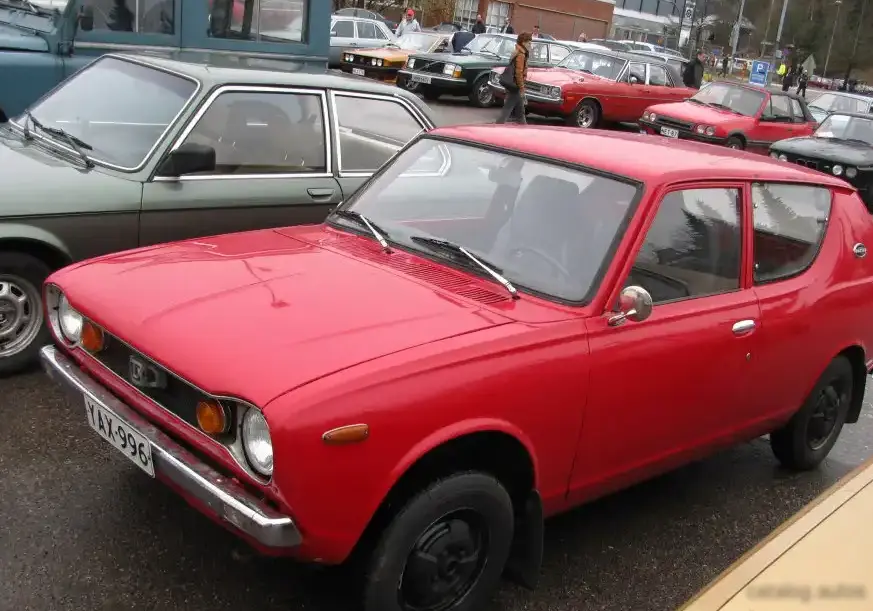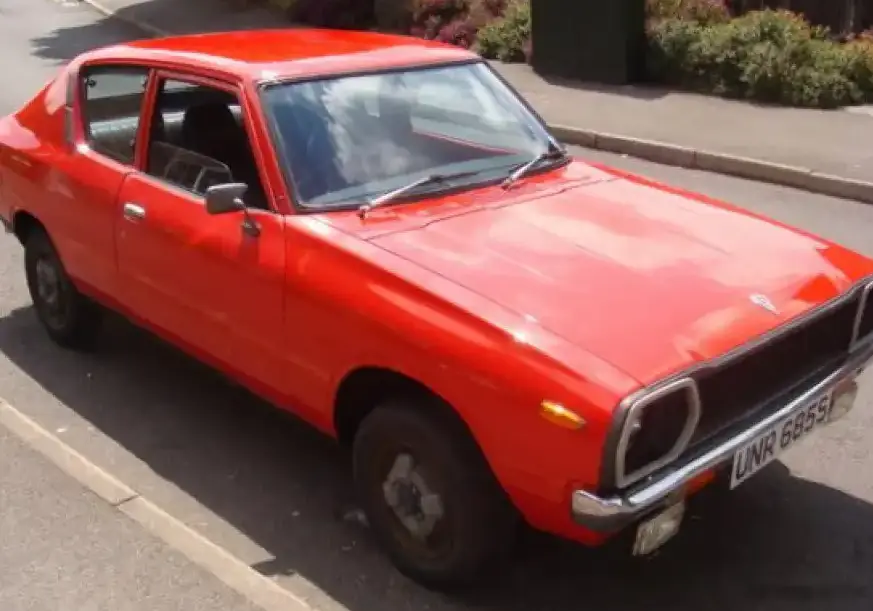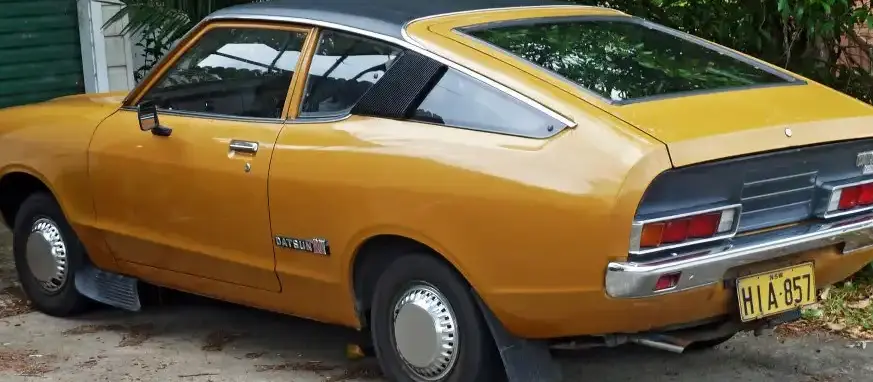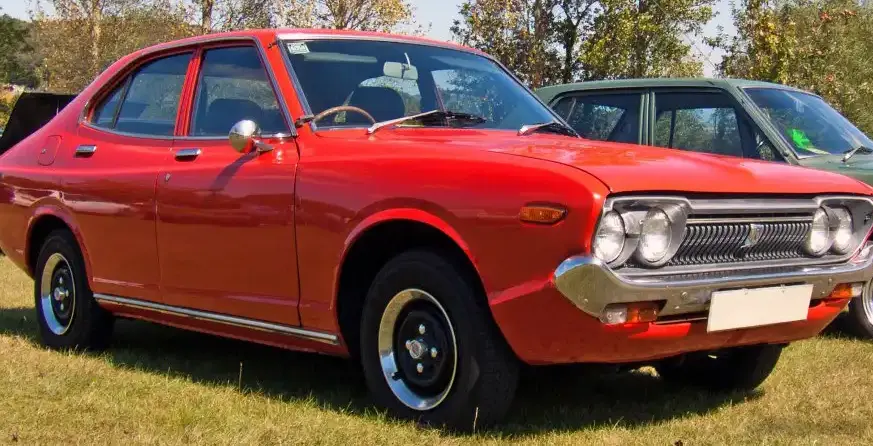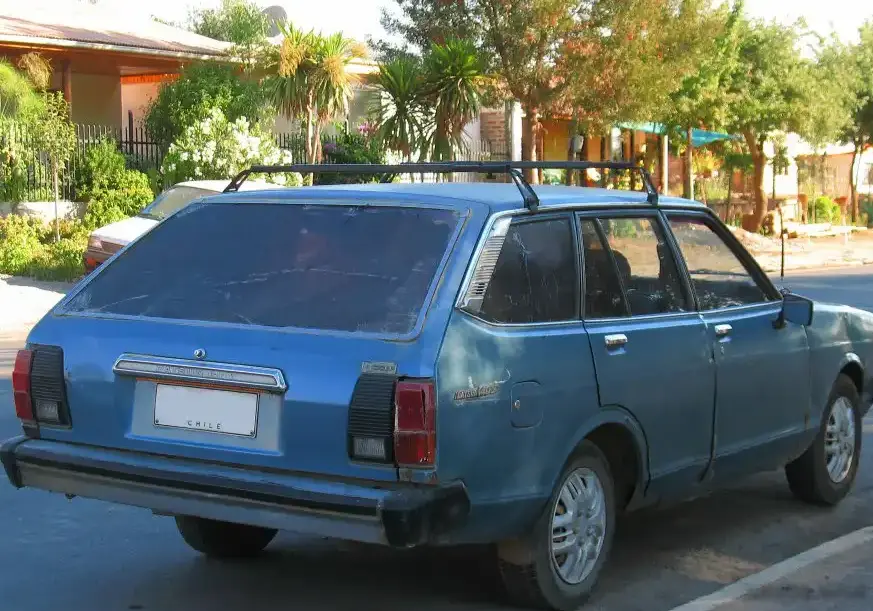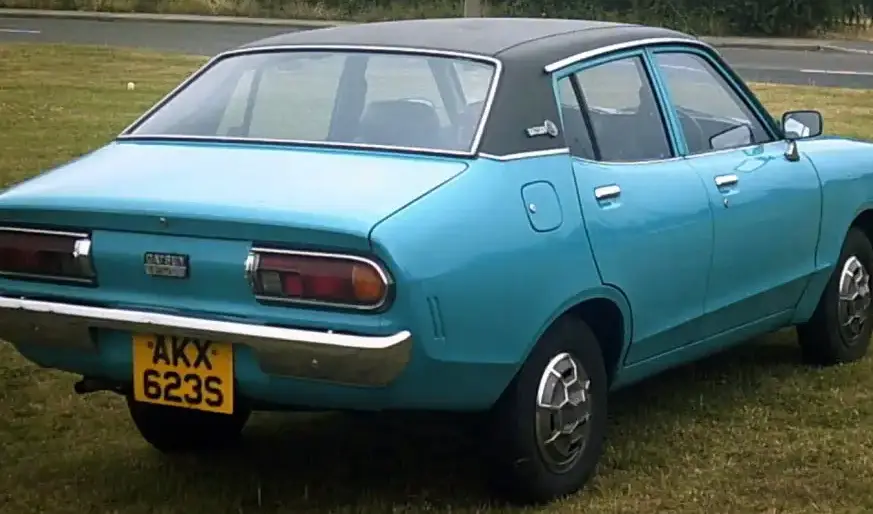
The Nissan Datsun 120Y, specifically the 1.2-liter (B210) variant producing 52 horsepower, represents an important entry point into the compact car market for North American consumers during the mid-to-late 1970s. Produced from 1974 through 1980, this model was part of the broader Datsun 120 series, known internationally under various names. The 120Y aimed to provide affordable, fuel-efficient transportation during a period of rising gasoline prices and increasing demand for smaller vehicles. In the US market, it competed with other subcompacts like the Volkswagen Beetle, Ford Pinto, and Chevrolet Vega. This particular 1.2L engine and transmission combination served as the base model, prioritizing economy over outright performance.
Technical Specifications
| Brand | Nissan/Datsun |
| Model | Datsun 120Y |
| Generation | Datsun 120 (B210) |
| Type (Engine) | Y 1.2 (B210) (52 Hp) |
| Start of Production | 1974 |
| End of Production | 1980 |
| Powertrain Architecture | Internal Combustion Engine |
| Body Type | Sedan |
| Fuel Type | Petrol (Gasoline) |
| Power | 52 Hp |
| Engine Aspiration | Naturally Aspirated |
| Engine Displacement | 1.2 Liters |
| Transmission | Typically 4-speed manual or 3-speed automatic |
| Wheelbase | 90.5 inches (2302 mm) |
| Length | 168.1 inches (4268 mm) |
| Width | 65.0 inches (1651 mm) |
| Height | 56.7 inches (1440 mm) |
| Curb Weight | 1,850 – 1,980 lbs (839 – 898 kg) |
Powertrain & Engine Architecture
The heart of the 120Y 1.2 was the A12 engine, a 1171cc (71.4 cubic inch) inline-four cylinder. This engine utilized a cast iron block and cylinder head, a relatively simple design emphasizing durability and low manufacturing costs. The A12 featured a single overhead camshaft (SOHC) design, operating two valves per cylinder. Fuel delivery was managed by a single, down-draft carburetor, typically a Hitachi or Mikuni unit. While not particularly powerful, the A12 was known for its reliability and relatively smooth operation. The 52 horsepower output was achieved at approximately 6000 rpm, with peak torque of around 66 lb-ft at 3600 rpm.
The 120Y was offered with both a four-speed manual transmission and a three-speed automatic. The automatic transmission, while providing ease of use, significantly impacted acceleration and fuel economy. It was a conventional hydraulic automatic, lacking the sophistication of electronically controlled transmissions that would become common later. The manual transmission was the preferred choice for drivers seeking better performance and fuel efficiency.
Driving Characteristics
The 1.2-liter 120Y was not designed for spirited driving. Acceleration was modest, taking approximately 18-20 seconds to reach 60 mph. The automatic transmission further dulled performance, with noticeable “hunting” for the correct gear, especially on inclines. However, the car excelled in city driving and highway cruising, where its small engine and light weight contributed to reasonable fuel economy – typically around 30-35 mpg. The steering was light and relatively precise, making it easy to maneuver in tight spaces. The suspension, consisting of independent front suspension with MacPherson struts and a leaf-sprung rear axle, provided a comfortable, if somewhat basic, ride. The car’s light weight helped to mitigate the limitations of the simple suspension design.
Equipment & Trim Levels
The 120Y 1.2, as the base model, was fairly spartan in its standard equipment. Typically, it included basic vinyl upholstery, a simple dashboard with minimal instrumentation (speedometer, fuel gauge, and temperature gauge), and basic exterior trim. AM radio was often an optional extra. Later models might have included a heater and defroster as standard equipment. Higher trim levels, such as the Deluxe, offered upgrades like cloth upholstery, more comprehensive instrumentation, and additional chrome trim. The 120Y was generally considered a no-frills vehicle, focusing on providing basic transportation at an affordable price.
Chassis & Braking
The 120Y utilized a body-on-frame construction, a common practice for compact cars of the era. This design contributed to the car’s relatively low weight but also resulted in less rigidity compared to unibody construction. The front suspension featured MacPherson struts, coil springs, and an anti-roll bar. The rear suspension employed a leaf spring setup, which was cost-effective but less sophisticated than independent rear suspension. Braking was typically accomplished with drum brakes on all four wheels, although some later models offered front disc brakes as an option. The braking system was adequate for the car’s weight and performance, but lacked the stopping power of more modern systems.
Market Reception & Comparison
The Datsun 120Y 1.2 was generally well-received in the US market as a fuel-efficient and reliable alternative to domestic subcompacts. Critics praised its build quality and durability, but often noted its lack of power and basic interior. Compared to the more powerful Datsun 120A (with a 1.6-liter engine), the 1.2-liter version was significantly slower and less refined. However, it was also considerably more affordable. Against competitors like the Ford Pinto and Chevrolet Vega, the 120Y often fared better in terms of reliability and overall build quality. Fuel economy was competitive with other subcompacts of the time, making it an attractive option for budget-conscious buyers.
Legacy
The Nissan Datsun 120Y, particularly the 1.2-liter variant, holds a modest but respectable place in automotive history. While not a performance icon, it played a significant role in establishing Datsun (later Nissan) as a major player in the US market. The A12 engine proved to be remarkably durable, and many examples are still on the road today. In the used car market, the 120Y 1.2 is often sought after by enthusiasts looking for a simple, reliable, and affordable classic car. Parts availability can be a challenge, but the car’s straightforward design makes it relatively easy to maintain and repair. The 120Y represents a bygone era of automotive engineering, prioritizing practicality and affordability over luxury and performance.