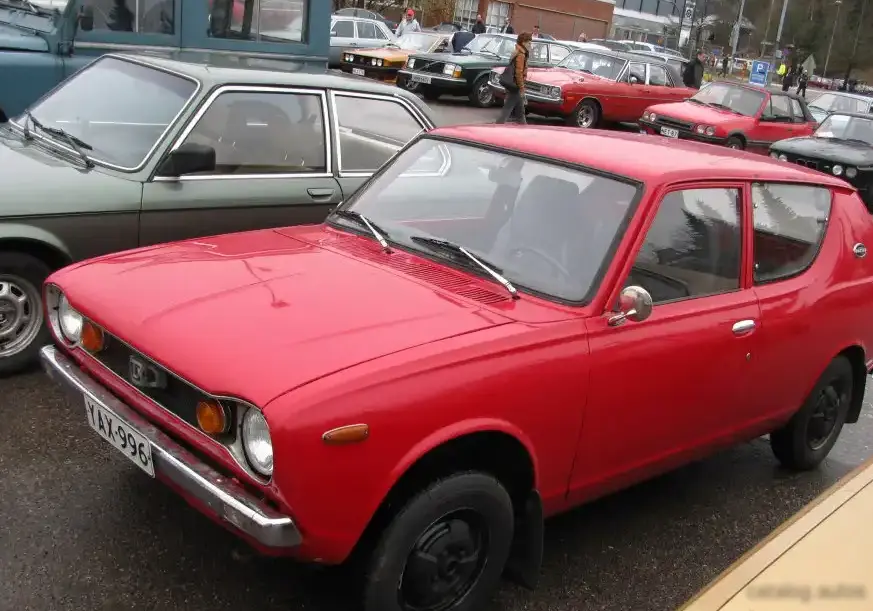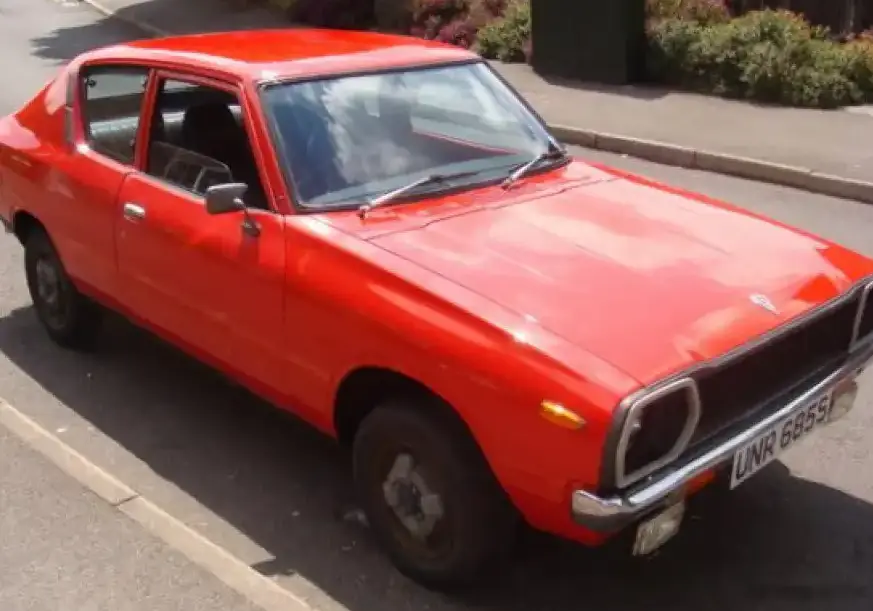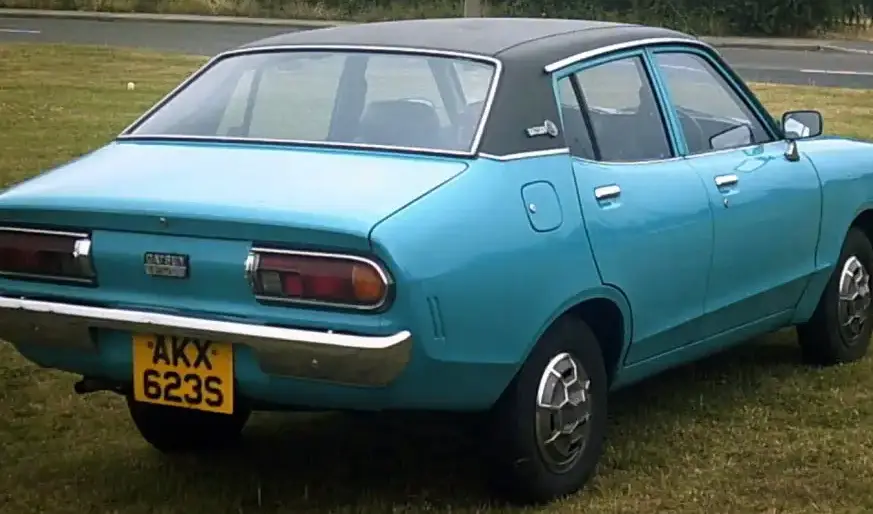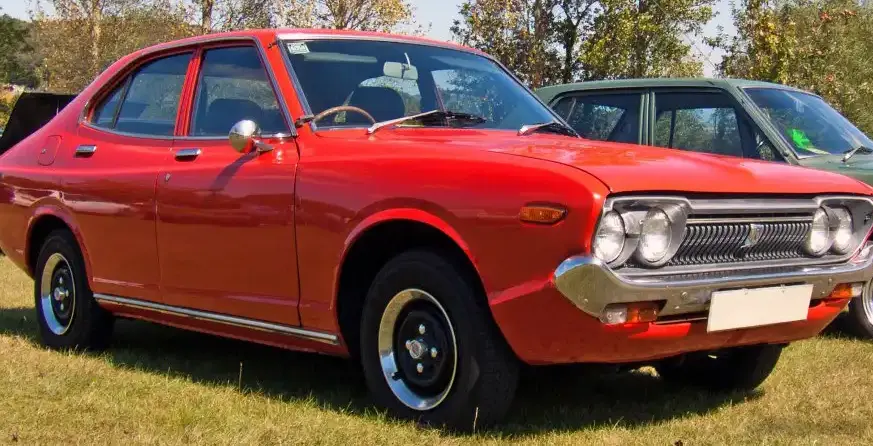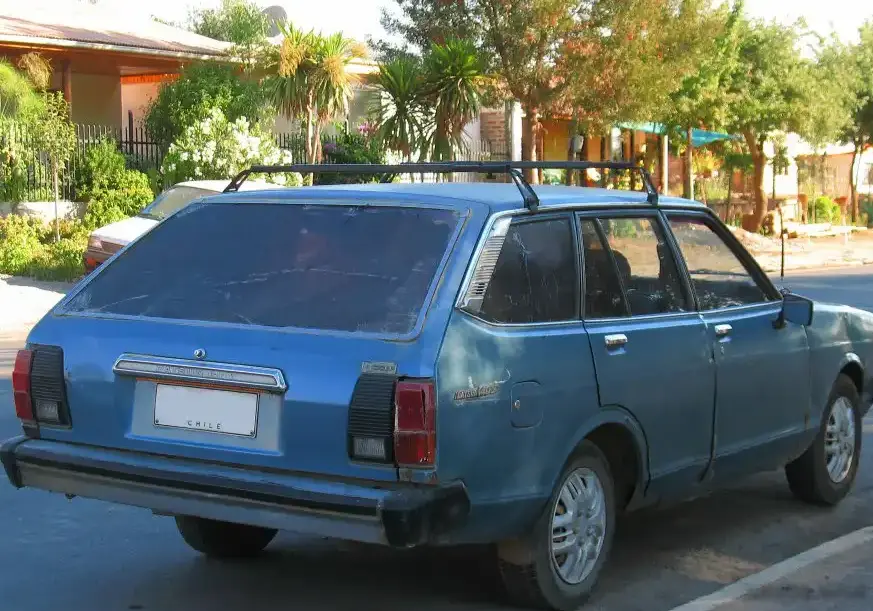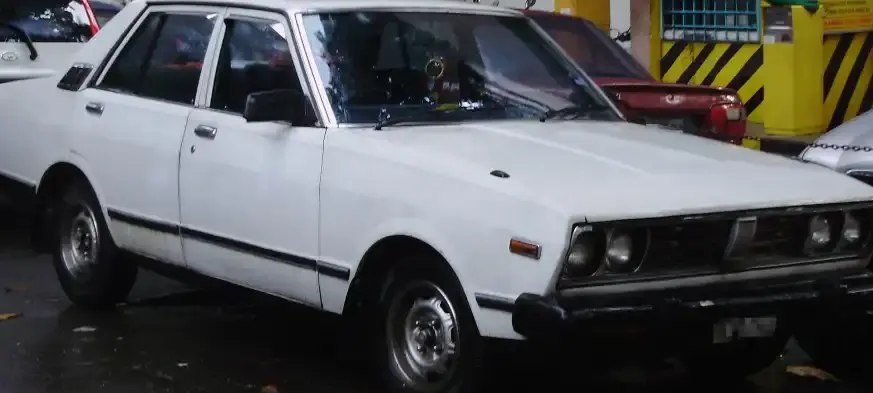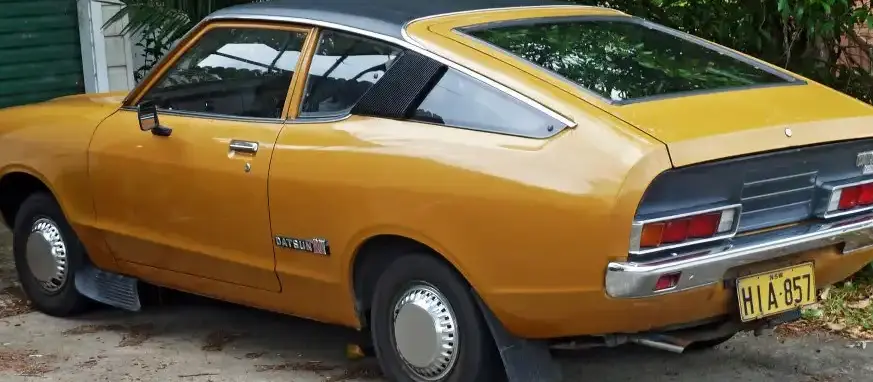
The Nissan Datsun 120Y Coupe, specifically the KB210 variant with the 1.2-liter engine producing 52 horsepower, represents an entry-level offering within the broader B110 (later KB110 and KB210) Datsun 120Y series. Produced from 1974 to 1977, this coupe aimed to provide affordable and economical transportation, particularly in markets outside of North America where the 120Y was not officially sold. It served as a smaller, more accessible alternative to the larger Datsun 510 and 610 models. The KB210 designation signifies a later iteration of the B110 series, incorporating minor styling and mechanical updates.
Technical Specifications
| Brand | Nissan/Datsun |
| Model | Datsun 120Y Coupe |
| Generation | Datsun 120Y Coupe (KB 210) |
| Type (Engine) | 1.2 (KB210) (52 Hp) |
| Start of Production | 1974 |
| End of Production | 1977 |
| Powertrain Architecture | Internal Combustion Engine |
| Body Type | Coupe |
| Fuel Type | Petrol (Gasoline) |
| Power | 52 Hp |
| Engine Aspiration | Naturally Aspirated |
Powertrain & Engine Architecture
The heart of the KB210 120Y Coupe is the A12 engine, a 1.2-liter (1171 cc) inline-four cylinder gasoline engine. This engine, designated KB210, is a naturally aspirated unit, meaning it doesn’t employ a turbocharger or supercharger. It features a single overhead camshaft (SOHC) design, operating two valves per cylinder. The engine utilizes a carburetor for fuel delivery, a common feature for vehicles of this era and price point. The carburetor type varied depending on the specific market, but typically was a Hitachi or Mikuni unit. The A12 engine is known for its simplicity and relative reliability, though it wasn’t a powerhouse by any means. The engine’s bore and stroke are 73.0 mm x 89.0 mm. The compression ratio was typically around 8.5:1. The engine is paired with a three-speed automatic transmission, a relatively uncommon option for this class of vehicle at the time, with most being equipped with a four-speed manual. The automatic transmission was designed for smooth, economical operation rather than sporty performance.
Driving Characteristics
The 1.2-liter, 52 horsepower engine and three-speed automatic transmission combination resulted in modest performance. Acceleration was leisurely, and the car was best suited for city driving and highway cruising at moderate speeds. The automatic transmission’s gear ratios were optimized for fuel economy, meaning the engine often operated at higher RPMs during acceleration. Compared to the available four-speed manual transmission, the automatic version noticeably reduced responsiveness. The car’s light weight (around 1,630 lbs) helped mitigate the lack of power to some extent. Handling was adequate, with a relatively soft suspension setup prioritizing ride comfort over sporty handling. Steering was manual in most examples, contributing to a somewhat disconnected feel. The overall driving experience was one of practicality and affordability, rather than excitement.
Equipment & Trim Levels
The KB210 1.2 Coupe, as an entry-level model, typically came with a fairly basic level of equipment. Standard features generally included cloth upholstery, vinyl floor covering, and basic instrumentation consisting of a speedometer, fuel gauge, and temperature gauge. A two-spoke steering wheel was standard. Radio was often an optional extra, as were features like a heater and defroster. Trim levels were often market-specific, but generally, the 1.2-liter automatic represented the base trim. Optional extras could include upgraded upholstery, a more comprehensive instrument cluster, and exterior trim enhancements. The interior design was functional and utilitarian, reflecting the car’s affordable price point. The dashboard layout was simple and straightforward, with easy-to-reach controls.
Chassis & Braking
The Datsun 120Y Coupe utilized a body-on-frame construction, a common practice for cars of this era. The suspension consisted of independent front suspension with coil springs and a solid rear axle with leaf springs. The rear drum brakes were standard on the 1.2-liter models, while higher-spec versions often featured front disc brakes. Steering was typically manual, although power steering was available as an option in some markets. The chassis was designed for durability and affordability, rather than high-performance handling. The relatively simple suspension setup provided a comfortable ride, but didn’t offer a particularly sporty driving experience. The braking system, with rear drums, was adequate for normal driving conditions but lacked the stopping power of disc brakes.
Market Reception & Comparison
The Datsun 120Y Coupe, particularly the 1.2-liter automatic variant, was generally well-received as an affordable and reliable transportation option. Critics praised its fuel economy and ease of maintenance. However, the limited power and leisurely acceleration were often noted as drawbacks. Compared to other small coupes of the time, such as the Ford Fiesta or Volkswagen Golf (which weren’t widely available in all markets), the 120Y offered a more basic but often more durable and affordable package. The automatic transmission, while convenient, further reduced performance compared to the manual transmission options. Fuel economy was a strong point, typically achieving around 35-40 mpg in real-world driving conditions. Reliability was generally good, with the A12 engine proving to be a robust and long-lasting unit.
Legacy
The Nissan Datsun 120Y Coupe, and the KB210 1.2-liter automatic variant specifically, has developed a modest following among classic car enthusiasts. The A12 engine is known for its simplicity and ease of repair, making it a popular choice for restoration projects. Parts availability can be challenging, but many components are still available through specialist suppliers. The car’s affordability and reliability have contributed to its survival rate, and well-maintained examples are increasingly sought after by collectors. While not a high-performance vehicle, the 120Y Coupe represents a significant piece of automotive history, showcasing the design and engineering principles of the 1970s. Today, the KB210 1.2 automatic is often seen as a charming and nostalgic reminder of a simpler era in automotive design, offering a unique driving experience for those seeking a classic and affordable coupe.