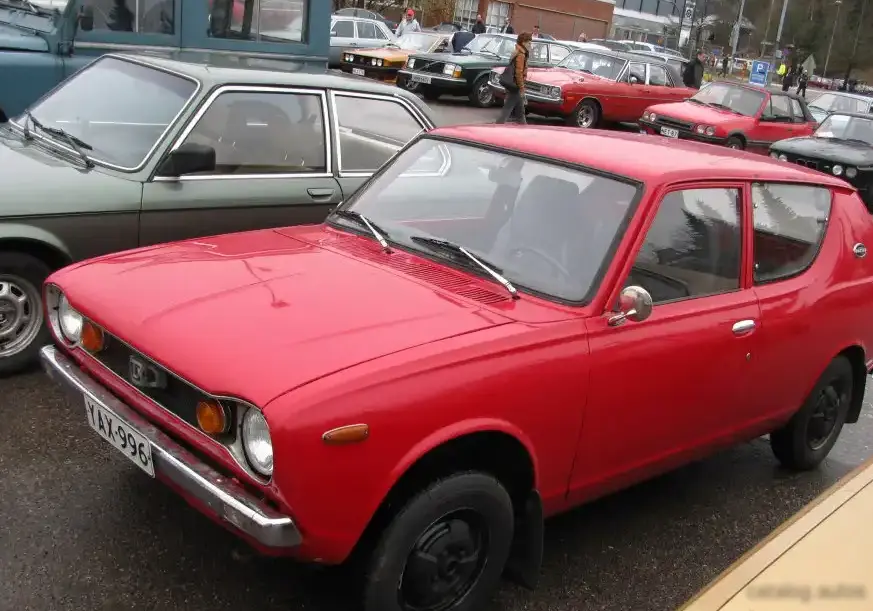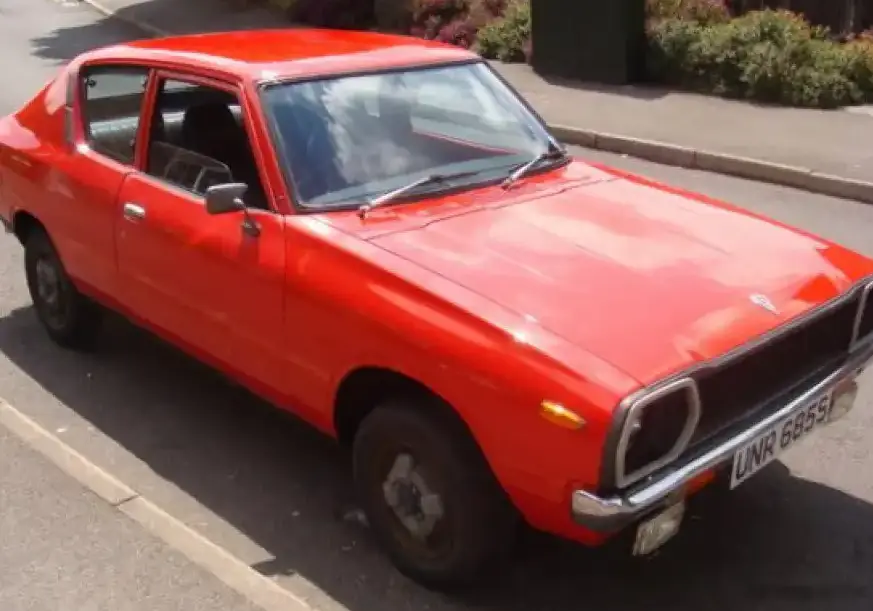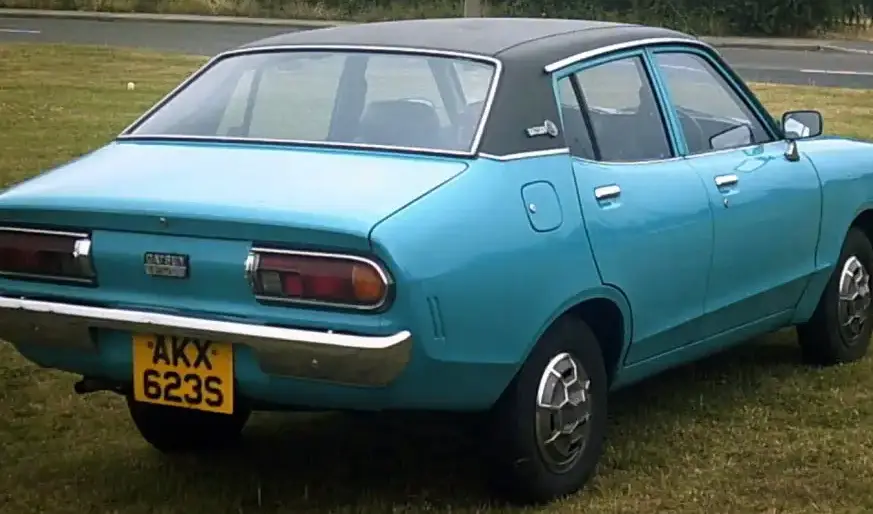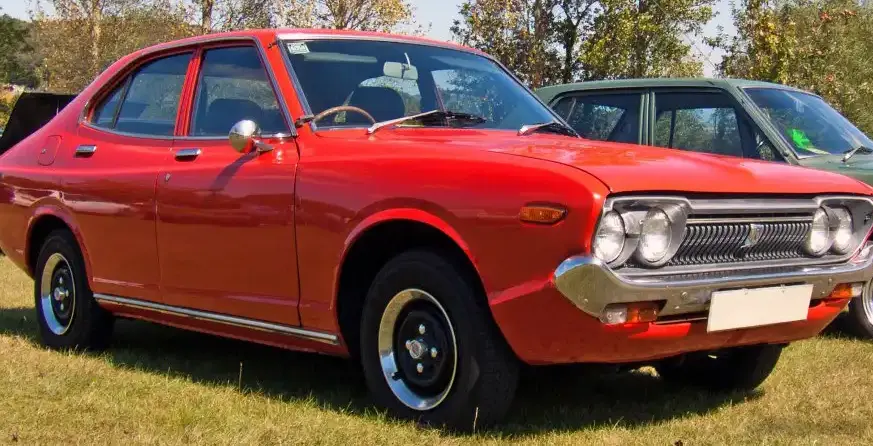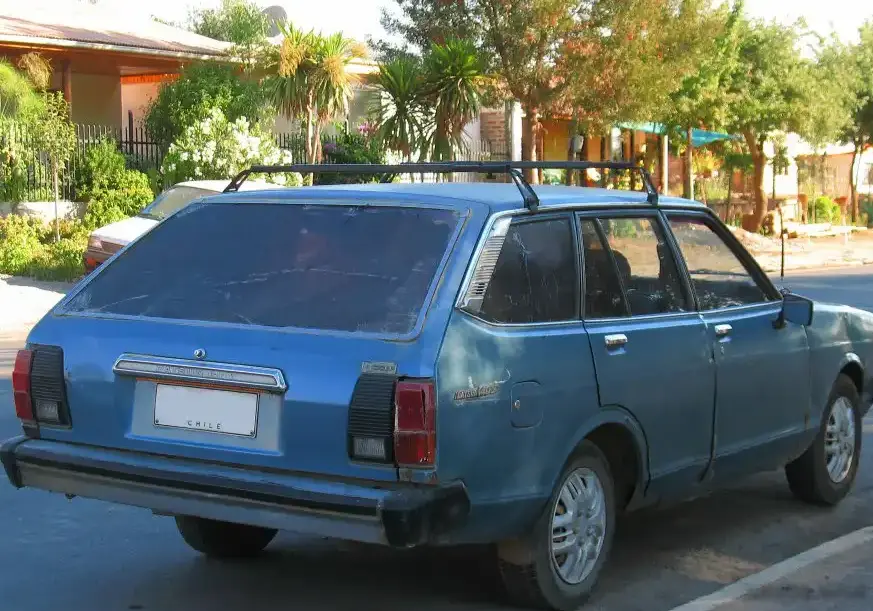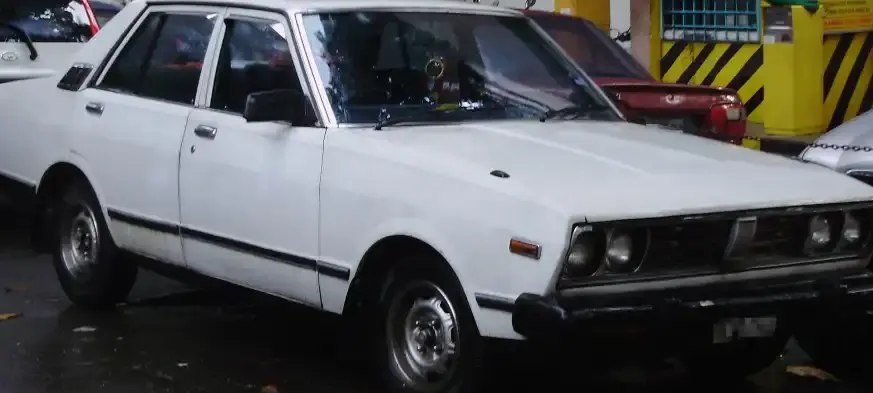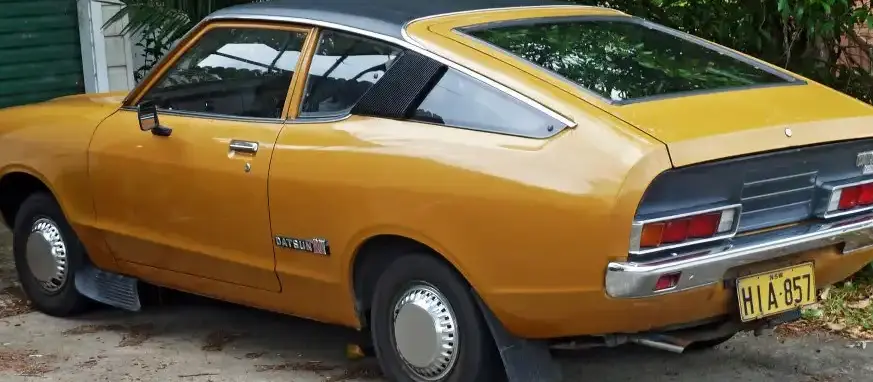
The Nissan Datsun 120Y Coupe, specifically the KB 210 variant powered by the A F-II 1.2-liter (KLF10) engine producing 52 horsepower, represents an entry-level offering within the broader 120Y (Sunny) family produced between 1975 and 1977. This coupe, a two-door derivative of the popular 120Y sedan, aimed to provide affordable and fuel-efficient personal transportation during a period of rising gasoline prices and increasing demand for compact cars in both domestic Japanese and export markets. The KB 210 chassis code designates this specific body style and generation within the Datsun lineup. It was positioned as a stylish, yet economical alternative to larger, more powerful vehicles.
Technical Specifications
| Brand | Nissan/Datsun |
| Model | Datsun 120Y Coupe |
| Generation | Datsun 120Y Coupe (KB 210) |
| Engine Type | A F-II 1.2 (KLF10) |
| Horsepower | 52 hp |
| Production Years | 1975-1977 |
| Powertrain Architecture | Internal Combustion Engine |
| Body Type | Coupe |
| Fuel Type | Petrol (Gasoline) |
| Engine Aspiration | Naturally Aspirated |
Powertrain & Engine Architecture
The heart of the KB 210 120Y Coupe is the A F-II 1.2-liter inline-four cylinder engine, designated KLF10. This engine, a continuation of Datsun’s A-series engine family, was known for its simplicity and reliability. It featured a cast iron block and cylinder head, with a two-valve per cylinder configuration operated by a single overhead camshaft. The KLF10 utilized a carburetor for fuel delivery, a common practice for vehicles of this era aiming for cost-effectiveness. While not a powerhouse, the engine was designed for smooth operation and reasonable fuel economy. The 1.2-liter displacement translated to 1189cc, and the engine produced 52 horsepower at approximately 6000 rpm, along with roughly 68 lb-ft of torque. The engine was typically paired with a four-speed manual transmission, but a three-speed automatic transmission was also offered, though less common. The automatic transmission, while providing ease of use, did noticeably impact acceleration and fuel efficiency.
Driving Characteristics
The 120Y Coupe with the 1.2-liter engine and automatic transmission offered a decidedly relaxed driving experience. Acceleration was modest, with 0-60 mph times estimated to be well over 15 seconds. The automatic transmission featured relatively wide gear ratios, prioritizing fuel economy over spirited performance. The engine felt strained when attempting brisk acceleration, particularly when climbing hills or overtaking. However, for everyday commuting and city driving, the powertrain proved adequate. The steering was light and responsive, making the car easy to maneuver in tight spaces. The suspension, while basic, provided a comfortable ride on most road surfaces. Compared to the manual transmission version, the automatic suffered a more significant performance penalty, but appealed to drivers prioritizing convenience.
Equipment & Trim Levels
The KB 210 120Y Coupe, in its base form, was fairly spartan in terms of standard equipment. It typically included cloth upholstery, basic instrumentation (speedometer, fuel gauge, and temperature gauge), and a two-spoke steering wheel. Optional extras included a radio, heater, and upgraded interior trim. The dashboard layout was functional and straightforward, with clearly labeled controls. Higher trim levels, though rare on this specific engine/transmission combination, might have included features like a vinyl roof, upgraded seat materials, and additional chrome trim. The focus was on providing a basic, reliable vehicle at an affordable price point, so luxury features were generally limited.
Chassis & Braking
The 120Y Coupe utilized a body-on-frame construction, a common practice for cars of this era. The suspension consisted of independent front suspension with MacPherson struts and a leaf spring rear suspension. This setup provided a reasonable balance between ride comfort and handling. Braking was typically accomplished with drum brakes on all four wheels, although some later models or export versions may have featured front disc brakes. The braking system was adequate for the car’s weight and performance, but lacked the stopping power of more modern vehicles. Steering was of the recirculating ball type, providing a relatively direct feel. Stabilizer bars were not typically included as standard equipment on the base models, contributing to a slightly more pronounced body roll during cornering.
Market Reception & Comparison
The Datsun 120Y Coupe, particularly the 1.2-liter automatic version, was generally well-received as an affordable and reliable compact car. Critics praised its fuel efficiency and ease of driving, but noted its lack of performance. Compared to other vehicles in its class, such as the Toyota Corolla Coupe or the Ford Pinto, the 120Y offered a competitive price and a reputation for durability. The 1.2-liter engine, while economical, was significantly less powerful than the larger 1.6-liter engines offered in other 120Y models. The automatic transmission further reduced performance, making it less appealing to drivers seeking a more engaging driving experience. However, for buyers prioritizing fuel economy and convenience, the 1.2-liter automatic represented a viable option.
Legacy
The Nissan Datsun 120Y Coupe, and specifically the KB 210 with the A F-II 1.2-liter engine, holds a nostalgic place in automotive history. The A-series engine family, of which the KLF10 is a member, is renowned for its longevity and simplicity. While not known for high performance, these engines were remarkably durable and capable of racking up high mileage with proper maintenance. Today, surviving examples of the 120Y Coupe are becoming increasingly collectible, particularly those in original condition. The 1.2-liter automatic version, while not the most desirable trim, remains a relatively affordable entry point into the classic Datsun market. Parts availability can be a challenge, but many components are still available through specialist suppliers or can be sourced from other A-series engine vehicles. The car’s enduring appeal lies in its simplicity, reliability, and the fond memories it evokes for those who owned or experienced it during its production run.