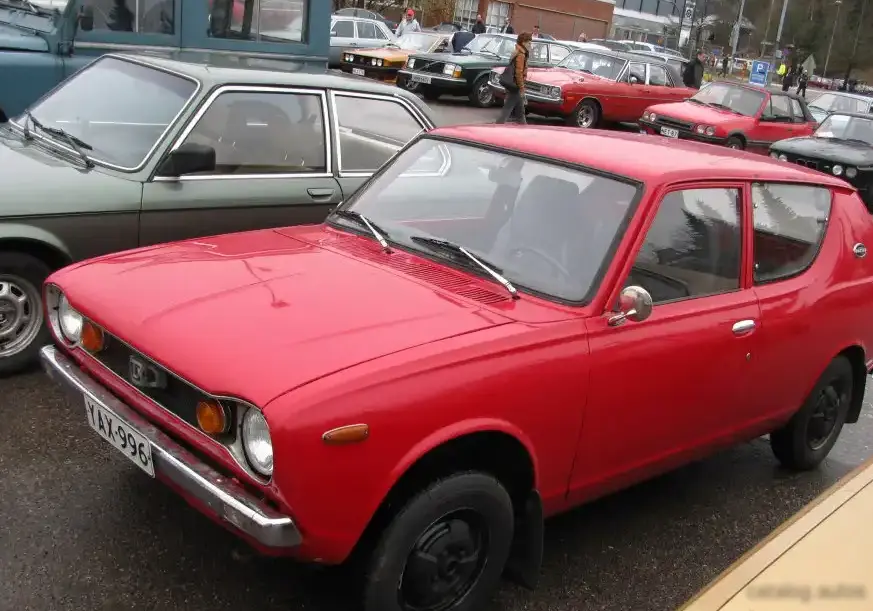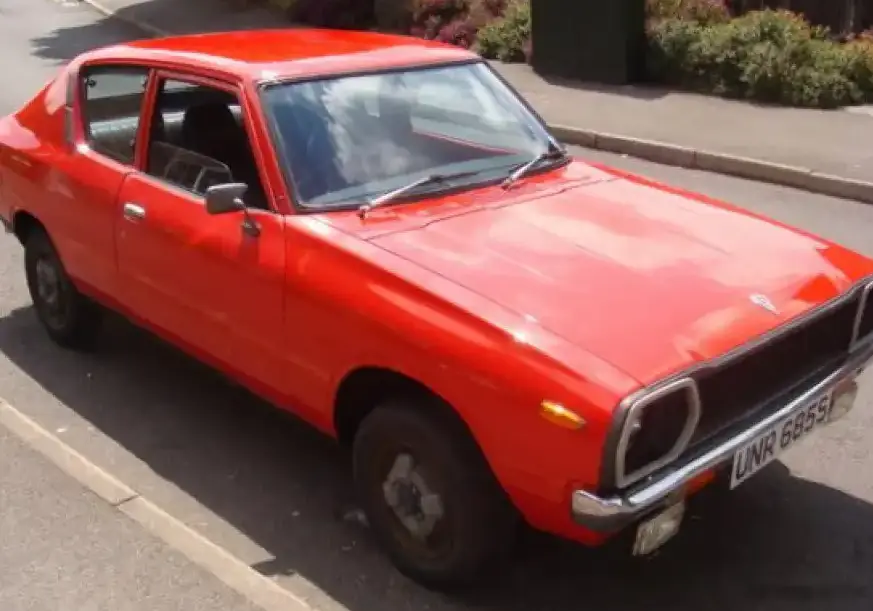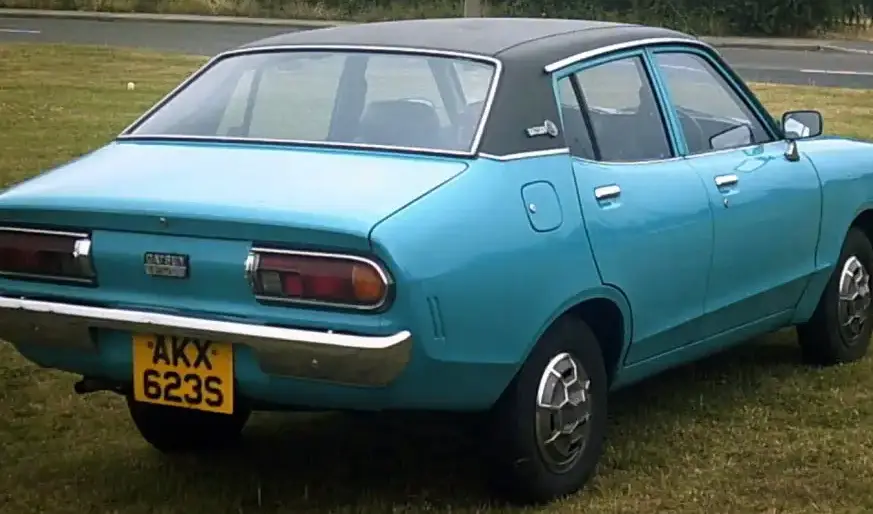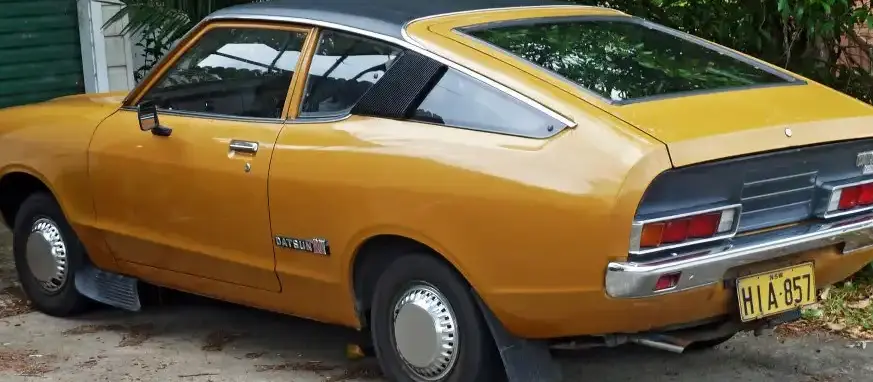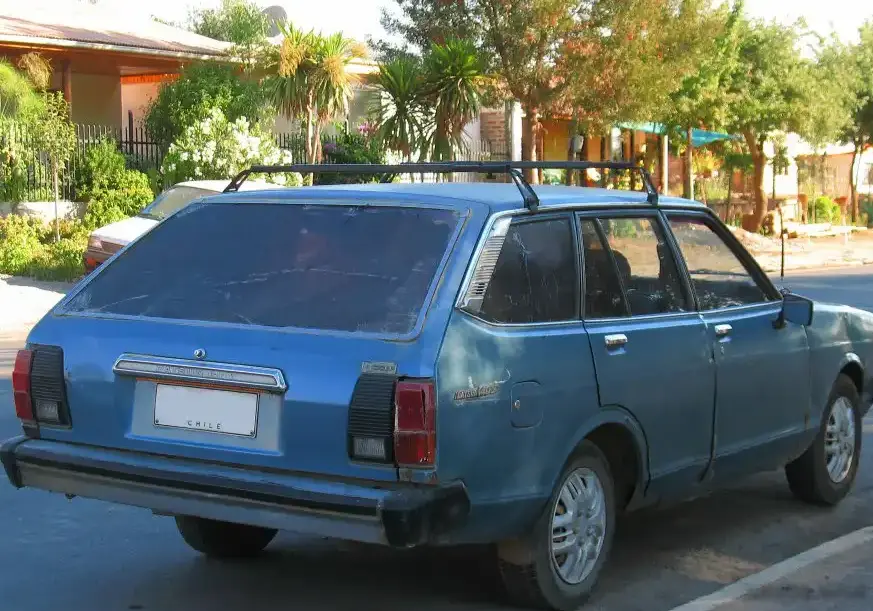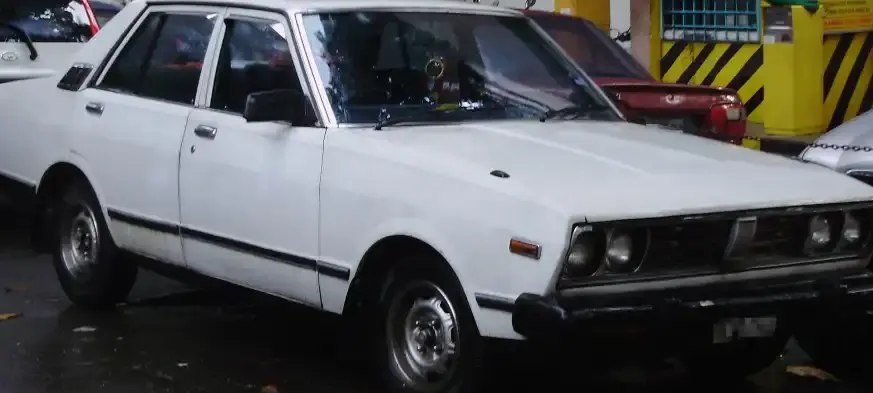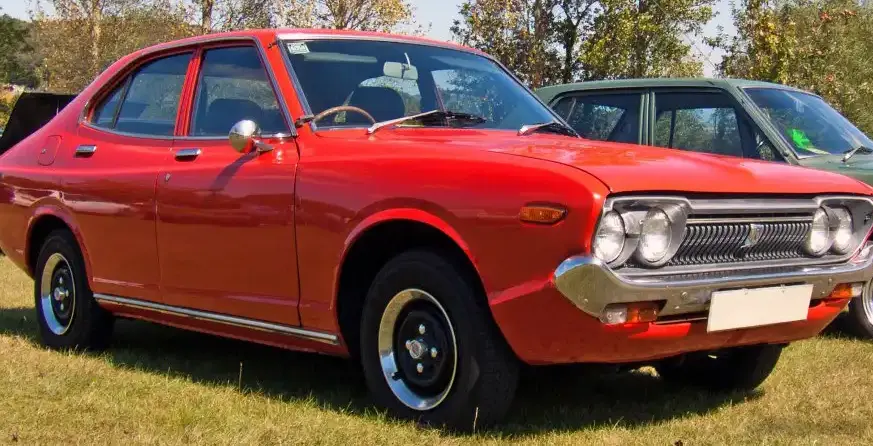
The Nissan Datsun 140J 1.4, produced between 1973 and 1977, represents a significant entry-level offering from Nissan during a period of increasing global automotive demand. Positioned as an affordable and reliable family sedan, the 140J was primarily aimed at the burgeoning middle class in various international markets, particularly in South Africa, Australia, and parts of Latin America. It was a direct descendant of the earlier Datsun 1200, offering a slightly larger body and a more modern, though still fundamentally simple, mechanical layout. The “J” designation signified a specific trim level and body style within the broader 140 series, representing a step up from the more basic models while remaining below the more luxurious offerings. This variant, equipped with the 1.4-liter engine producing 65 horsepower, served as the mainstay of the 140J lineup in many regions.
Technical Specifications
| Brand | Nissan |
| Model | Datsun |
| Generation | Datsun 140 J |
| Type (Engine) | 1.4 (65 Hp) |
| Start of production | 1973 |
| End of production | 1977 |
| Powertrain Architecture | Internal Combustion Engine |
| Body type | Sedan |
| Fuel Type | Petrol (Gasoline) |
| Power | 65 Hp |
| Engine Aspiration | Naturally Aspirated |
Powertrain & Engine Architecture
The heart of the Datsun 140J 1.4 was the A14 engine, a 1.4-liter (1396 cc) inline-four cylinder gasoline engine. This engine, part of Nissan’s ‘A’ series, was known for its simplicity and durability. It featured a cast iron block and cylinder head, with a single overhead camshaft (SOHC) operating two valves per cylinder. Fuel delivery was managed by a single, down-draft carburetor – typically a Hitachi or Mikuni unit – rather than fuel injection, which was still relatively uncommon in this class of vehicle during the early 1970s. The A14 produced 65 horsepower at 5,200 rpm and 88 lb-ft of torque at 3,200 rpm. The engine was paired with a typically three-speed or four-speed automatic transmission, although manual transmissions were also available. The automatic transmission was a conventional hydraulic system, offering smooth, if not particularly quick, shifts. The A14 engine’s design prioritized reliability and low-end torque over outright performance, making it well-suited for everyday driving conditions.
Driving Characteristics
The 140J 1.4 with the automatic transmission wasn’t designed for spirited driving. Acceleration was modest, with a 0-60 mph time estimated to be around 16-18 seconds. The automatic transmission, while providing convenience, further dampened performance, with relatively wide gear ratios prioritizing fuel economy over responsiveness. However, the car was perfectly adequate for commuting and general transportation. The steering was light and relatively precise, making it easy to maneuver in urban environments. The suspension, consisting of independent front suspension with coil springs and a leaf-sprung rear axle, provided a comfortable, if somewhat bouncy, ride. Compared to the manual transmission versions, the automatic 140J felt noticeably slower, particularly when attempting to overtake or climb hills. The manual transmission offered a more engaging driving experience and slightly improved fuel economy. The automatic was favored by drivers prioritizing ease of use and comfort.
Equipment & Trim Levels
The Datsun 140J 1.4, in its base form, was fairly spartan in terms of equipment. Standard features typically included vinyl upholstery, basic instrumentation (speedometer, fuel gauge, and temperature gauge), and a two-spoke steering wheel. The 140J “J” trim level generally included a slightly upgraded interior trim compared to the most basic models. Optional extras, depending on the market, could include a radio, heater, whitewall tires, and upgraded seat upholstery. The dashboard layout was functional and straightforward, with all controls within easy reach of the driver. The interior space was reasonably generous for a car of its size, offering comfortable seating for four adults. The overall aesthetic was typical of the early 1970s, with a focus on practicality rather than luxury.
Chassis & Braking
The 140J utilized a body-on-frame construction, which was common for sedans of this era. The chassis was relatively simple and robust, contributing to the car’s durability. The front suspension featured independent wishbones and coil springs, while the rear suspension employed a leaf spring setup. Braking was typically accomplished with drum brakes on all four wheels, although some later models or higher trim levels may have featured front disc brakes. The braking system was adequate for normal driving conditions, but lacked the stopping power of more modern vehicles. Steering was of the recirculating ball type, providing a relatively indirect feel. The car’s overall weight was relatively low, which helped to offset the limitations of the engine and braking system.
Market Reception & Comparison
The Datsun 140J 1.4 was generally well-received by consumers and automotive critics as a reliable and affordable family car. It competed directly with other entry-level sedans from manufacturers such as Toyota, Ford, and Volkswagen. Compared to the Toyota Corolla of the same era, the 140J offered a slightly more spacious interior and a more comfortable ride, but the Corolla was often praised for its superior fuel economy and build quality. Against the Ford Cortina, the 140J was more affordable and easier to maintain, but the Cortina offered a more refined driving experience and a wider range of available options. The 140J’s fuel economy was respectable for the time, averaging around 28-32 mpg. Reliability was a key strength, with the A14 engine proving to be exceptionally durable.
Legacy
The Nissan Datsun 140J, particularly the 1.4-liter variant, has developed a modest following among classic car enthusiasts. The A14 engine is known for its longevity and relative simplicity, making it a relatively easy engine to maintain and repair. Parts availability, while diminishing, is still reasonable in many regions. Today, well-maintained examples of the 140J 1.4 are becoming increasingly collectible, particularly those with low mileage and original features. The car represents a significant piece of automotive history, embodying the design and engineering philosophies of the early 1970s. While not a performance icon, the 140J 1.4 served as a dependable and affordable mode of transportation for countless families around the world, and its legacy of reliability continues to endure.