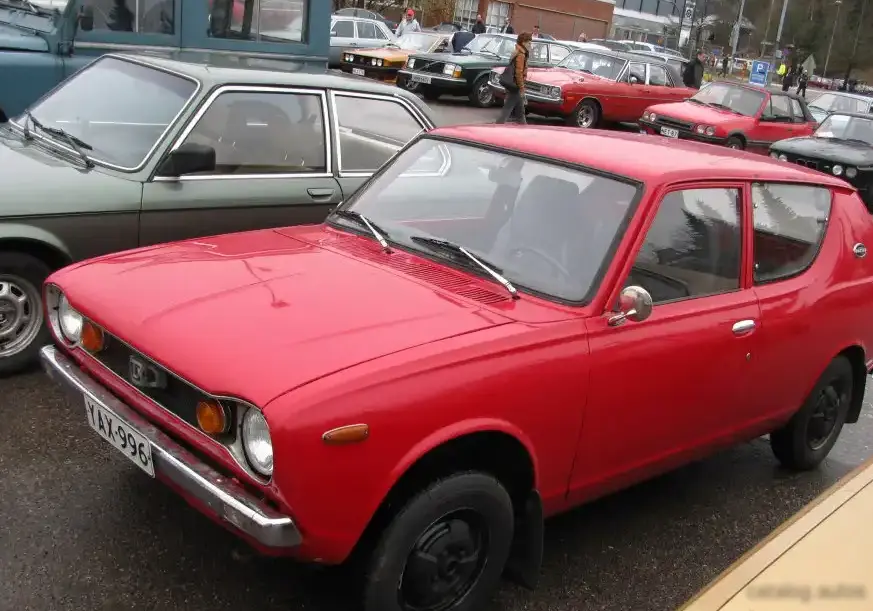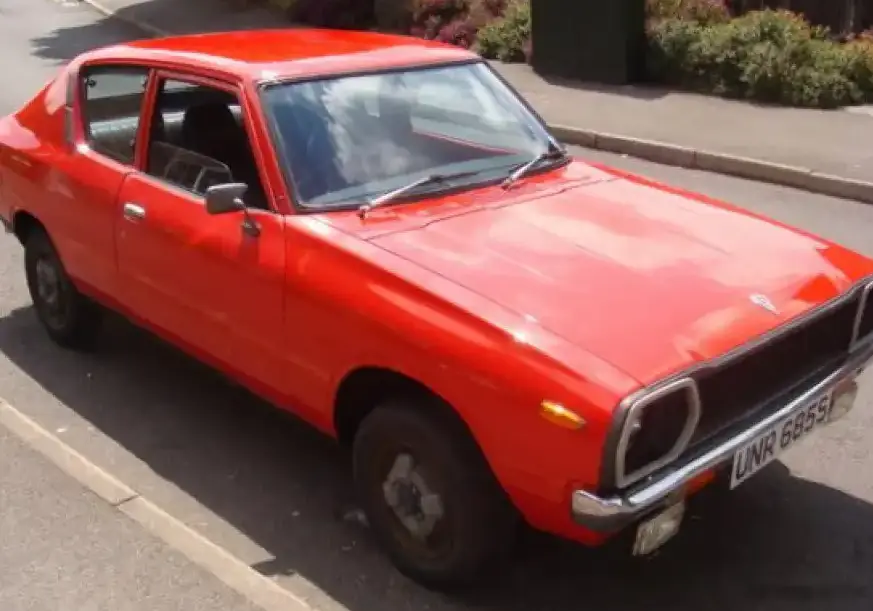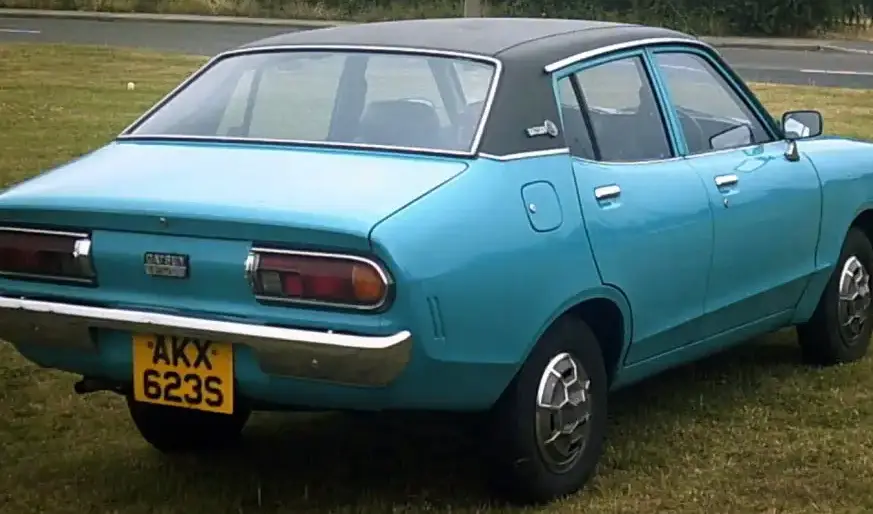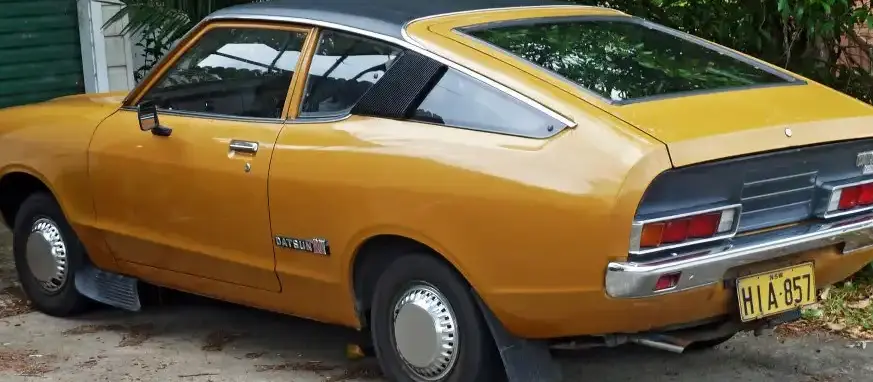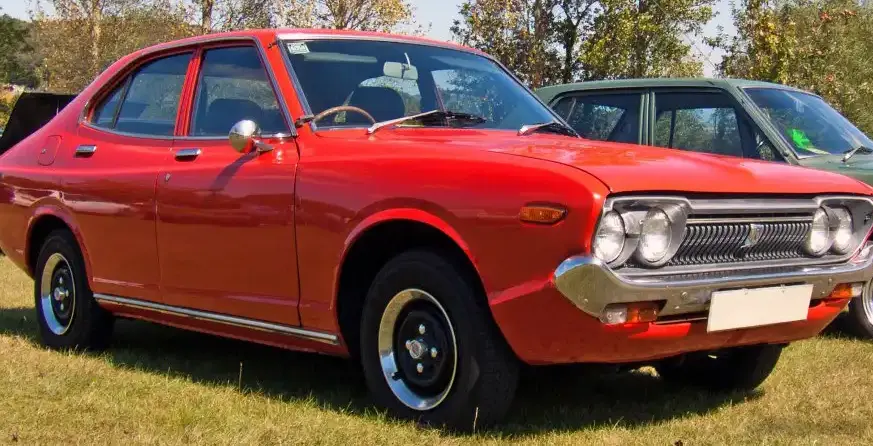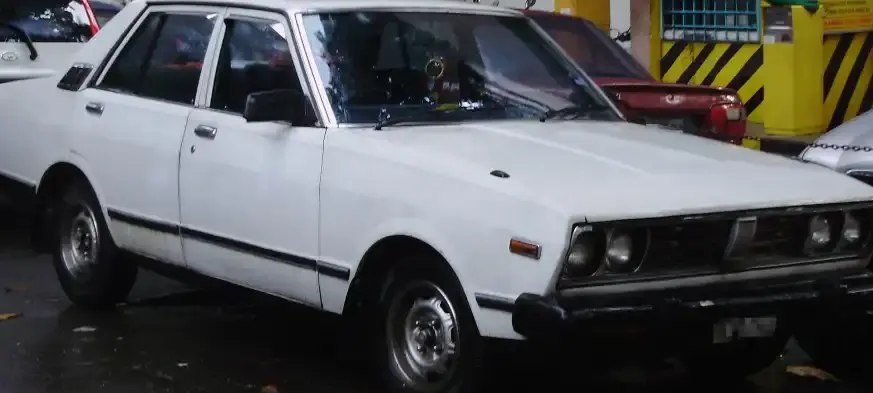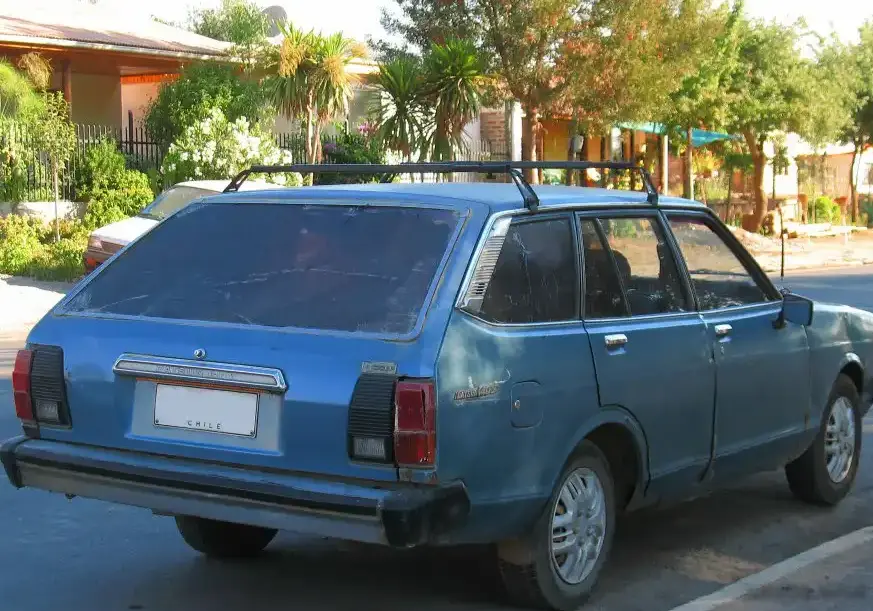
The Nissan Datsun 140Y Combi (HLB310) 1.4, produced between 1979 and 1983, represents a practical and economical station wagon offering from Nissan’s Datsun division. Positioned as a family-oriented vehicle, the Combi – a term used in many markets to denote a station wagon – was a key part of the B110 series, also known as the Sunny or 140Y depending on the market. This particular 1.4-liter, 67 horsepower variant served as the entry-level engine option for the Combi in many regions, prioritizing fuel efficiency and affordability over outright performance. It was primarily sold in markets outside of North America, where the Datsun Sunny was offered with different engine options.
Technical Specifications
| Brand | Nissan |
| Model | Datsun 140Y Combi (HLB310) |
| Generation | Datsun 140Y Combi (HLB310) |
| Type (Engine) | 1.4 (67 Hp) |
| Start of Production | 1979 |
| End of Production | 1983 |
| Powertrain Architecture | Internal Combustion Engine |
| Body Type | Station Wagon (Estate) |
| Seats | 5 |
| Doors | 4 |
| Fuel Type | Petrol (Gasoline) |
| Power | 67 Hp |
| Engine Aspiration | Naturally Aspirated |
Introduction
The Datsun 140Y Combi HLB310 was a direct response to the growing demand for practical family vehicles in the late 1970s and early 1980s. Built upon the B110 chassis, the Combi offered increased cargo capacity compared to the standard sedan. The “140Y” designation signified a vehicle in the compact class, and the “Combi” body style was intended to appeal to buyers needing more space for passengers and luggage. This model was particularly popular in Europe, Australia, and parts of Asia, where smaller, fuel-efficient vehicles were highly valued. The HLB310 chassis code specifically identifies the station wagon variant of the B110 series.
Powertrain & Engine Architecture
The heart of the 140Y Combi 1.4 was the A14 engine, a 1.4-liter (1397cc) inline-four cylinder gasoline engine. This engine utilized a single overhead camshaft (SOHC) valvetrain, operating with two valves per cylinder. Fuel delivery was managed by a carburetor, typically a Hitachi H40 or similar, reflecting the technology prevalent during that era. The A14 engine was known for its simplicity and reliability, though it wasn’t a powerhouse in terms of performance. The 67 horsepower output was achieved at approximately 5,200 rpm, with peak torque of around 88 lb-ft at 3,200 rpm. The engine was paired with a three-speed automatic transmission, a relatively common configuration for this class of vehicle at the time. This automatic transmission was designed for smooth, comfortable operation rather than sporty acceleration. It featured a torque converter and a relatively simple gear selection mechanism.
Driving Characteristics
The 1.4-liter engine and automatic transmission combination resulted in a driving experience focused on practicality and ease of use. Acceleration was modest, with 0-60 mph times estimated to be around 14-16 seconds. The automatic transmission’s gear ratios were optimized for fuel economy and smooth cruising, rather than quick shifts. In real-world conditions, the Combi 1.4 felt adequate for everyday driving, particularly in urban environments. However, when fully loaded with passengers and cargo, or when tackling steep hills, the engine could feel strained. Compared to the available manual transmission versions, the automatic resulted in a noticeable performance decrease. Higher-spec 140Y Combis offered with larger engines (typically 1.6-liter) provided significantly more power and a more engaging driving experience, but at a higher price point.
Equipment & Trim Levels
The 140Y Combi 1.4 typically represented the base trim level. Standard equipment generally included cloth upholstery, basic instrumentation (speedometer, fuel gauge, temperature gauge), and a two-spoke steering wheel. The interior was functional and durable, prioritizing practicality over luxury. Optional extras varied depending on the market, but could include a radio, upgraded seat fabrics, and a rear window defogger. The dashboard layout was simple and straightforward, with easily accessible controls. The Combi’s interior space was a key selling point, offering ample room for five passengers and a generous cargo area, especially with the rear seats folded down. Exterior features typically included steel wheels with hubcaps, chrome bumpers, and basic exterior trim.
Chassis & Braking
The 140Y Combi HLB310 utilized a relatively conventional chassis design for the era. It featured a body-on-frame construction, providing a robust and durable platform. The front suspension consisted of independent MacPherson struts, while the rear suspension employed a solid axle with leaf springs. This setup prioritized ride comfort and load-carrying capacity over sporty handling. Braking was typically accomplished with drum brakes on all four wheels, although some markets offered front disc brakes as an option. Steering was unassisted, requiring a bit more effort at low speeds. Stabilizer bars were not typically included on the base 1.4-liter model, contributing to a slightly more pronounced body roll during cornering.
Market Reception & Comparison
The Datsun 140Y Combi 1.4 was generally well-received as an affordable and practical family vehicle. Critics praised its fuel efficiency, spacious interior, and reliable engine. However, the 1.4-liter engine was often criticized for its lack of power, particularly when compared to larger-engined competitors. Compared to other trims in the 140Y lineup, the 1.4 Automatic offered the lowest price point but also the least amount of performance. The 1.6-liter versions provided a noticeable improvement in acceleration and overall driving experience, but came at a higher cost. In terms of fuel economy, the 1.4-liter engine typically achieved around 28-32 mpg, making it a relatively economical choice for its time. Reliability was a strong point, with the A14 engine proving to be durable and long-lasting.
Legacy
The Nissan Datsun 140Y Combi HLB310 1.4 has become a popular choice among classic car enthusiasts seeking a simple, reliable, and affordable vintage vehicle. The A14 engine is known for its durability and relatively easy maintenance. Parts availability can be a challenge, but many components are still available through specialist suppliers or can be sourced from other Datsun models. Today, these Combis are often seen as charming and nostalgic reminders of a bygone era of automotive design. While not a performance icon, the 140Y Combi 1.4 remains a testament to Nissan’s commitment to building practical and dependable vehicles for the masses. Well-maintained examples command a modest but growing following in the classic car market, appreciated for their simplicity and enduring appeal.