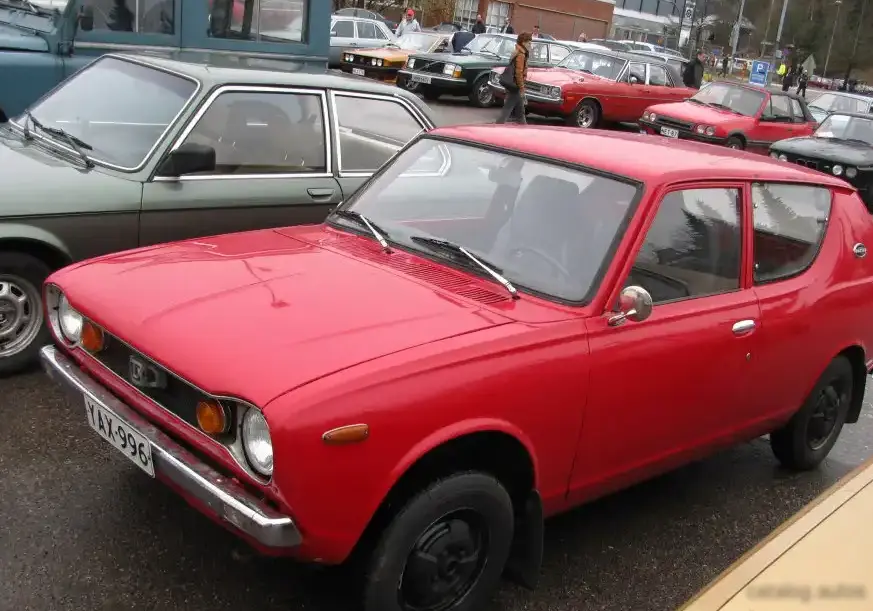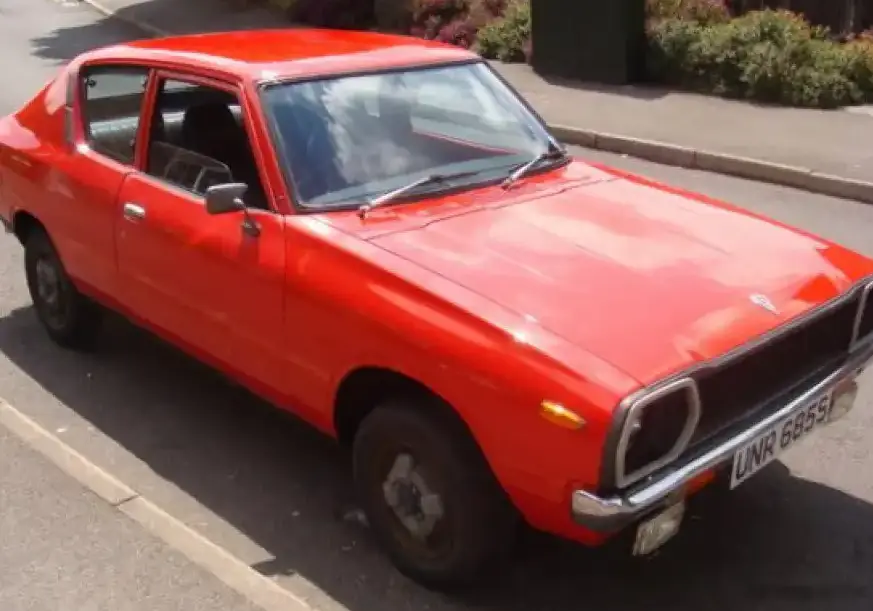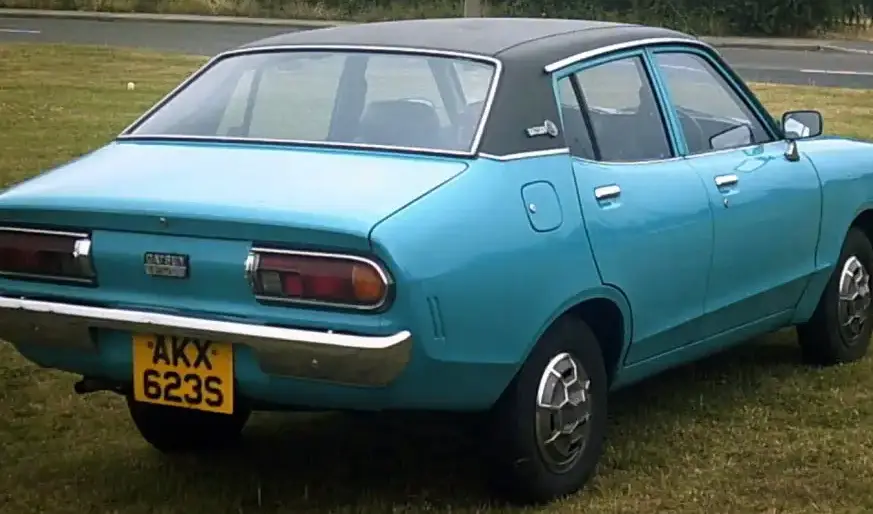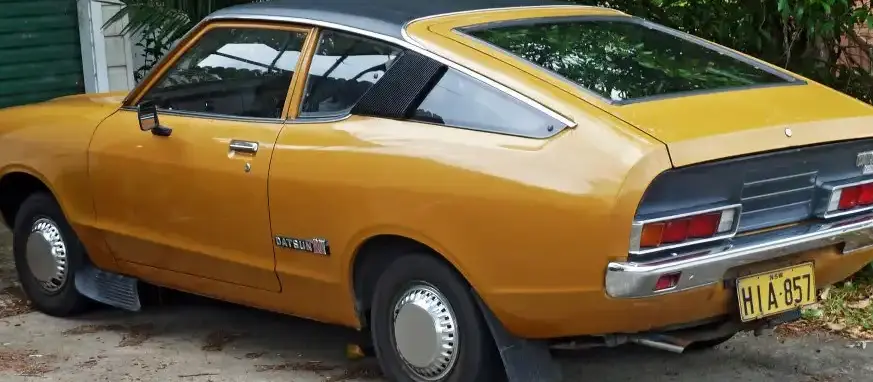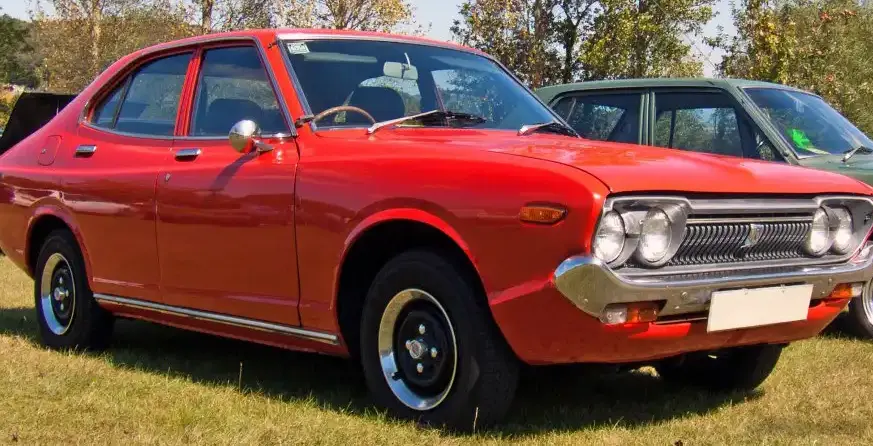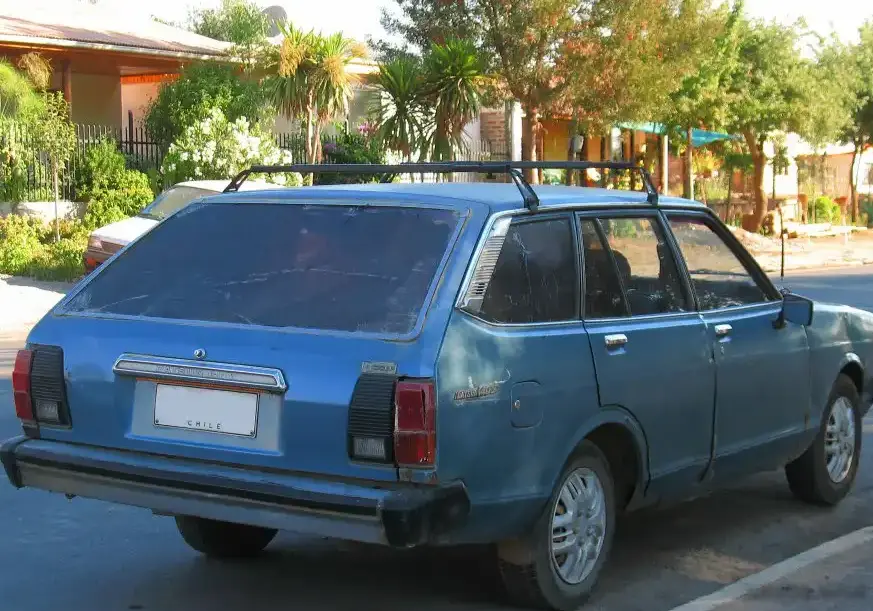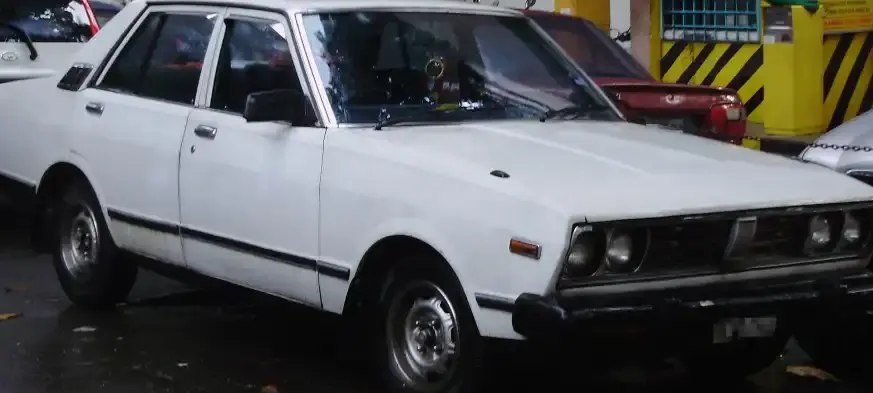
The Nissan Datsun 160J, produced between 1973 and 1982, represents a significant step in Nissan’s expansion into the compact sedan market, particularly in North America and Australia. Part of the 710 (A10) series, the 160J was designed to offer a blend of fuel efficiency, practicality, and affordability. This variant, equipped with the 1.6-liter engine producing 83 horsepower, served as a core model within the 710 lineup, positioned as the standard engine option appealing to buyers prioritizing economy and reliability over outright performance. It was a direct competitor to vehicles like the Ford Pinto, Chevrolet Vega, and Toyota Corolla, aiming to capture a share of the growing demand for Japanese imports in the US and Australian markets.
Technical Specifications
| Brand | Nissan Datsun |
| Model | Datsun 160 J (710, A10) |
| Generation | Datsun 160 J (710, A10) |
| Type (Engine) | 1.6 (83 Hp) |
| Start of Production | 1973 |
| End of Production | 1982 |
| Powertrain Architecture | Internal Combustion Engine |
| Body Type | Sedan |
| Fuel Type | Petrol (Gasoline) |
| Power | 83 Hp |
| Engine Aspiration | Naturally Aspirated |
Powertrain & Engine Architecture
The heart of the Datsun 160J was the L16 series 1.6-liter inline-four cylinder engine. This engine, while not particularly powerful by modern standards, was known for its durability and relatively smooth operation. The L16 featured a cast iron block and cylinder head, with a two-barrel carburetor handling fuel delivery. Valve actuation was via a single overhead camshaft (SOHC) design, utilizing a timing chain for reliability. The engine produced 83 horsepower at 5,600 rpm and 98 lb-ft of torque at 3,200 rpm. The transmission offered with this engine was typically a three-speed automatic, although a four-speed manual transmission was also available. The automatic transmission, while providing ease of use, was geared towards fuel economy rather than spirited acceleration. The engine code for this configuration is generally identified as L16, though minor variations existed depending on the specific market and year of production.
Driving Characteristics
The 160J with the 1.6-liter engine and automatic transmission offered a comfortable, if unexciting, driving experience. Acceleration was modest, with 0-60 mph times estimated around 14-16 seconds. The automatic transmission’s gear ratios were optimized for fuel efficiency, resulting in a relatively relaxed cruising speed. The car felt stable and predictable in handling, but lacked the responsiveness of the manual transmission versions or the more powerful 1.8-liter variants. The steering was light and easy, making it well-suited for city driving. The automatic transmission, while convenient, did detract from overall performance, particularly when attempting to overtake or climb hills. Compared to the manual transmission 160J, the automatic version felt noticeably slower and less engaging.
Equipment & Trim Levels
The Datsun 160J 1.6L Automatic typically came with a fairly basic level of standard equipment. Interior features generally included vinyl upholstery, a simple dashboard layout with analog gauges, and a two-spoke steering wheel. Standard features often included a heater and defroster, basic instrumentation (speedometer, fuel gauge, temperature gauge), and cigarette lighter. Optional extras included a radio, air conditioning (a relatively rare option), and upgraded upholstery. Trim levels were relatively limited; the 160J primarily served as the base model, with higher trim levels (like the 180J) offering more features and a more powerful engine. The interior was functional and durable, prioritizing practicality over luxury.
Chassis & Braking
The 160J utilized a conventional body-on-frame construction, which was typical for cars of its era. The suspension consisted of independent front suspension with MacPherson struts and a solid rear axle with leaf springs. This setup provided a comfortable ride, but wasn’t particularly sporty. Braking was initially accomplished with drum brakes on all four wheels, although later models often featured front disc brakes. The braking system was adequate for normal driving conditions, but lacked the stopping power of more modern vehicles. Stabilizer bars were not standard equipment on the base 160J, contributing to a slightly more pronounced body roll in corners. The chassis was designed for durability and ease of maintenance, rather than high-performance handling.
Market Reception & Comparison
The Datsun 160J was generally well-received by critics and consumers alike. It was praised for its reliability, fuel efficiency, and affordability. However, its modest performance and basic interior were often noted as drawbacks. Compared to the 180J, which featured a larger 1.8-liter engine, the 160J offered significantly less power and acceleration. The 180J was favored by drivers who prioritized performance, while the 160J appealed to those seeking a more economical and practical option. Fuel economy was a key selling point for the 160J, averaging around 25-30 mpg in real-world driving conditions. Reliability was also a major strength, with the L16 engine proving to be remarkably durable over the long term. Compared to domestic competitors like the Ford Pinto and Chevrolet Vega, the 160J was often seen as being more reliable and better built.
Legacy
The Datsun 160J, and the 710 series as a whole, played a crucial role in establishing Nissan’s reputation for quality and reliability in the North American and Australian markets. The L16 engine became a mainstay in Nissan’s lineup for many years, powering a variety of models. Today, the 160J is a popular choice among classic car enthusiasts, particularly those seeking a simple, affordable, and reliable vintage vehicle. Parts availability is generally good, and the car is relatively easy to maintain. While not a high-performance machine, the 160J offers a charming and nostalgic driving experience. The 1.6-liter engine and automatic transmission combination, while not the most desirable configuration for performance enthusiasts, remains a viable and relatively common setup in the used car market, offering a balance of affordability and ease of use. The car’s enduring appeal lies in its simplicity, durability, and the growing appreciation for classic Japanese automobiles.