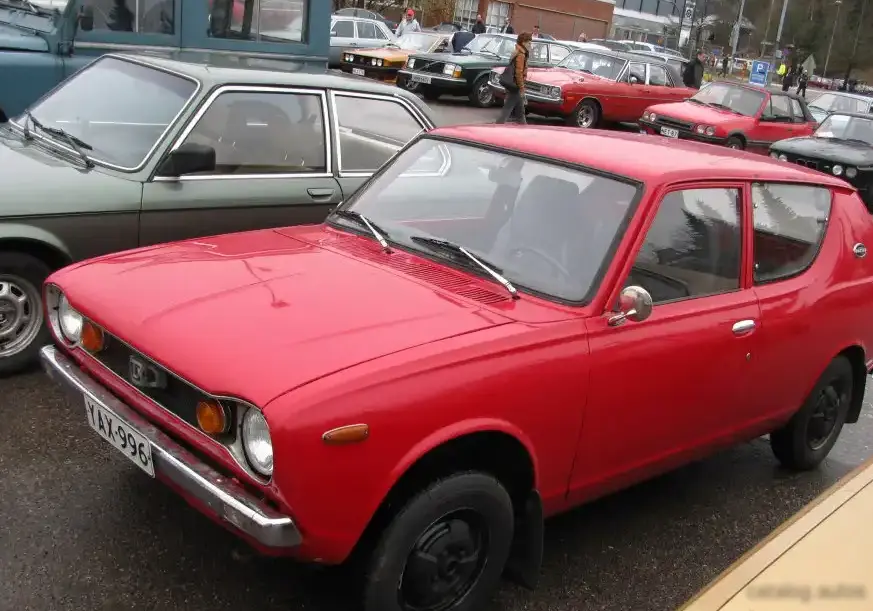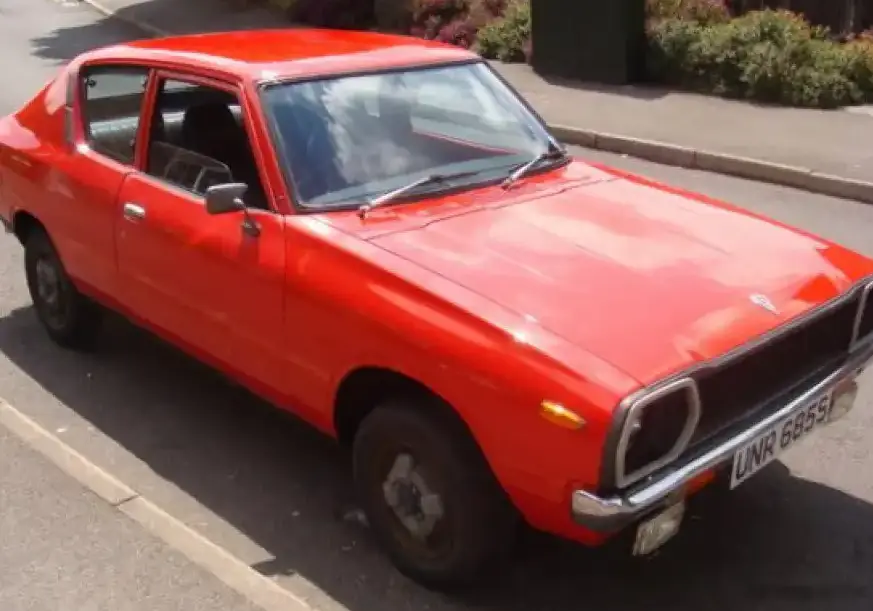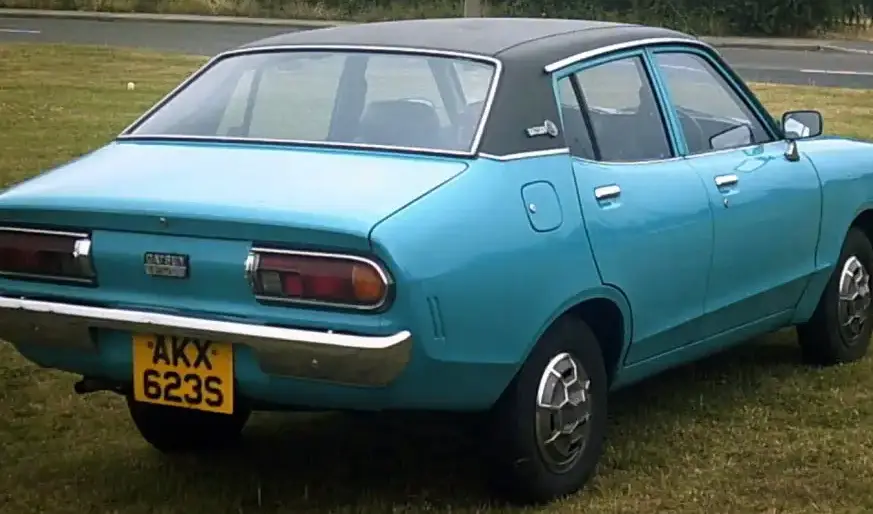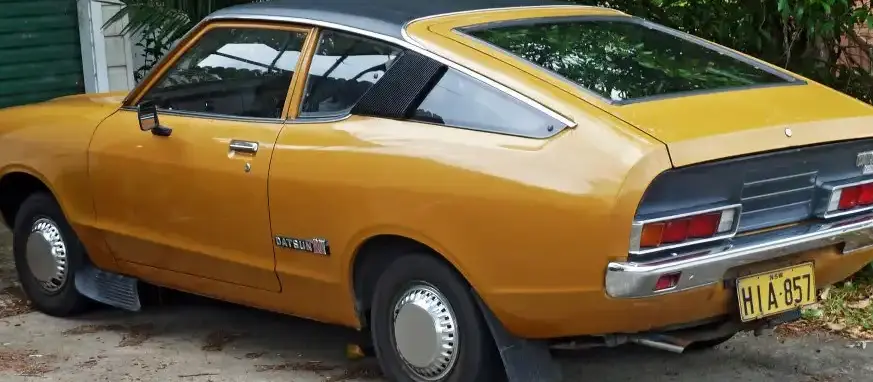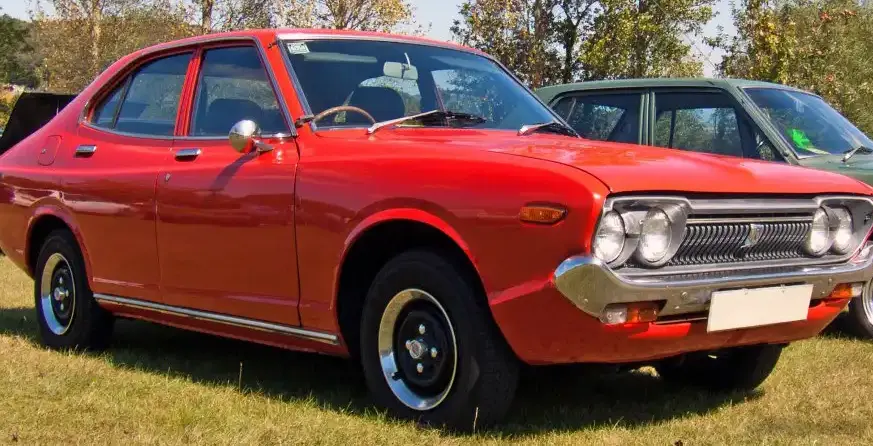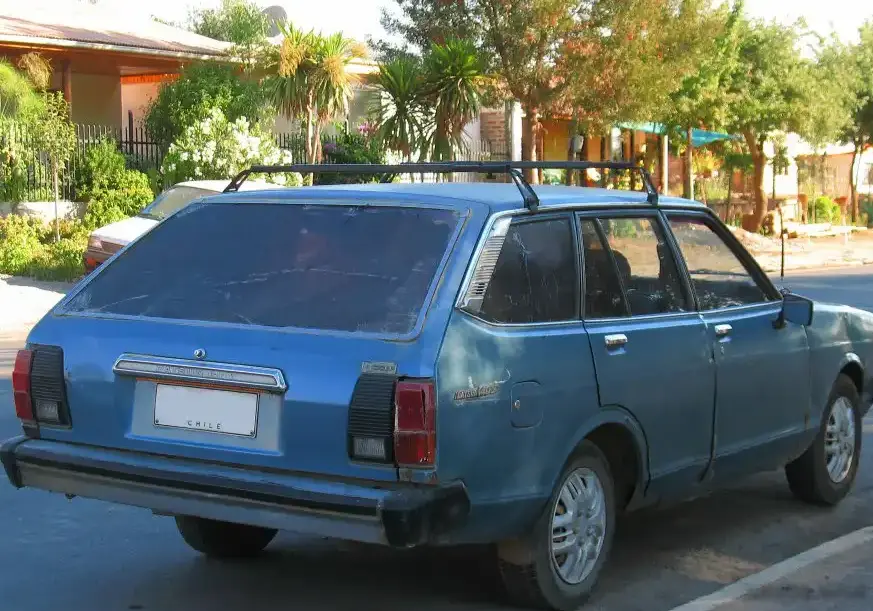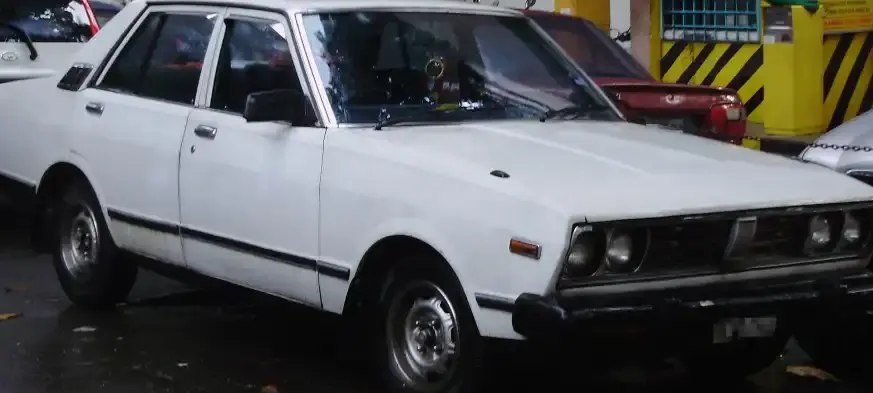
The Nissan Datsun 160J, produced between 1978 and 1982, represents a significant entry in the compact sedan market for Nissan, particularly in regions outside of North America. Falling under the 710 (A10) chassis code, the 160J was designed as an affordable and practical family vehicle. This specific variant, equipped with the 1.6-liter A10 engine producing 88 horsepower, served as a core model within the 710 lineup, positioned as the standard engine and trim level offering. It was intended to provide reliable transportation with a focus on fuel economy, making it a popular choice for everyday commuting and family use. The 160J played a crucial role in establishing Nissan’s presence in the competitive global compact car segment.
Technical Specifications
| Brand | Nissan/Datsun |
| Model | Datsun 160J (710, A10) |
| Generation | Datsun 160J (710, A10) |
| Type (Engine) | 1.6 (A10) (88 Hp) |
| Start of Production | 1978 |
| End of Production | 1982 |
| Powertrain Architecture | Internal Combustion Engine |
| Body Type | Sedan |
| Fuel Type | Petrol (Gasoline) |
| Power | 88 Hp |
| Engine Aspiration | Naturally Aspirated |
Powertrain & Engine Architecture
The heart of the Datsun 160J is the A10 engine, a 1.6-liter inline-four cylinder gasoline engine. This engine, while not particularly powerful by modern standards, was known for its durability and simplicity. The A10 featured a single overhead camshaft (SOHC) valvetrain, operating two valves per cylinder. Fuel delivery was managed by a Hitachi-supplied carburetor, a common setup for vehicles of this era. The carburetor provided adequate fuel atomization for the engine’s modest power output. The engine block was constructed from cast iron, contributing to its robustness, while the cylinder head was made of aluminum alloy to reduce weight. The 88 horsepower was achieved at approximately 5,600 rpm, with peak torque of around 98 lb-ft at 3,200 rpm. This engine was paired with a three-speed automatic transmission, a relatively basic unit designed for smooth, if not particularly sporty, operation. The automatic transmission was a key feature of this variant, appealing to buyers prioritizing ease of use over performance.
Driving Characteristics
The 160J with the 1.6-liter engine and automatic transmission offered a comfortable, but unhurried, driving experience. Acceleration was adequate for typical city and highway driving, but it wasn’t designed for quick bursts of speed. The three-speed automatic transmission had relatively wide gear ratios, prioritizing fuel economy over rapid acceleration. The gear changes were generally smooth, but noticeable, and the transmission lacked the sophistication of more modern automatic gearboxes. The steering was light and easy, making maneuvering in tight spaces straightforward. The suspension, while simple, provided a reasonably comfortable ride, absorbing bumps and imperfections in the road surface effectively. Compared to the manual transmission versions of the 160J, the automatic variant felt noticeably slower, particularly during overtaking maneuvers. Higher-spec 160J models, equipped with larger engines (like the 2.0-liter), offered significantly more performance, but at a higher price point. The automatic transmission, while convenient, did detract from the overall driving engagement.
Equipment & Trim Levels
The Datsun 160J 1.6 Automatic was typically equipped with a fairly basic level of standard features, reflecting its position as the entry-level model. Interior upholstery was typically vinyl or a durable cloth material, available in a range of muted colors. The dashboard was functional and straightforward, featuring a simple instrument cluster with speedometer, fuel gauge, and temperature indicator. A basic AM radio was often included as standard equipment. Optional extras included a more advanced AM/FM radio, air conditioning (a popular option, particularly in warmer climates), and upgraded interior trim. The exterior trim was relatively understated, with chrome bumpers and simple hubcaps. Power steering and power brakes were not typically standard on this base model, but could be added as options. The overall interior ambiance was practical and durable, prioritizing functionality over luxury.
Chassis & Braking
The Datsun 160J utilized a body-on-frame construction, a common practice for sedans of this era. The suspension consisted of independent front suspension with MacPherson struts and a solid rear axle with leaf springs. This setup provided a reasonable balance between ride comfort and handling. The braking system was relatively simple, featuring drum brakes on all four wheels. While adequate for normal driving conditions, the drum brakes lacked the stopping power and fade resistance of disc brakes. The 160J did not typically feature anti-lock braking systems (ABS), as this technology was not yet widely available on vehicles in this price range. Stabilizer bars were often omitted on the base model, further contributing to a softer, more comfort-oriented ride. The chassis was designed for durability and ease of maintenance, rather than outright performance.
Market Reception & Comparison
The Datsun 160J 1.6 Automatic was generally well-received by consumers and automotive critics as a reliable and affordable family sedan. Critics praised its fuel economy and durability, but noted its lack of performance and relatively basic features. Compared to other compact sedans of the time, such as the Toyota Corolla and Honda Civic, the 160J offered a competitive price point and a reputation for dependability. However, it lagged behind these rivals in terms of refinement and driving dynamics. Fuel economy was a key selling point, averaging around 28-32 mpg in combined driving conditions. Reliability was also a strong suit, with the A10 engine proving to be remarkably durable over the long term. The automatic transmission, while not sporty, was generally reliable and required minimal maintenance. The 160J offered a practical and economical transportation solution for families and commuters.
Legacy
The Datsun 160J, and specifically the 1.6-liter automatic variant, has developed a modest following among classic car enthusiasts. The A10 engine is known for its simplicity and ease of maintenance, making it a relatively straightforward engine for amateur mechanics to work on. Parts availability, while diminishing, is still reasonable, with many components being readily available from specialist suppliers. The 160J’s robust construction and durable powertrain contribute to its longevity, and well-maintained examples can still be found on the road today. In the used car market, these vehicles are typically valued for their affordability and nostalgic appeal. While not a high-performance classic, the 160J represents a significant chapter in Nissan’s history and a testament to the enduring appeal of simple, reliable transportation. The 1.6L automatic configuration, while not the most desirable trim, remains a viable and affordable entry point into the world of classic Japanese automobiles.