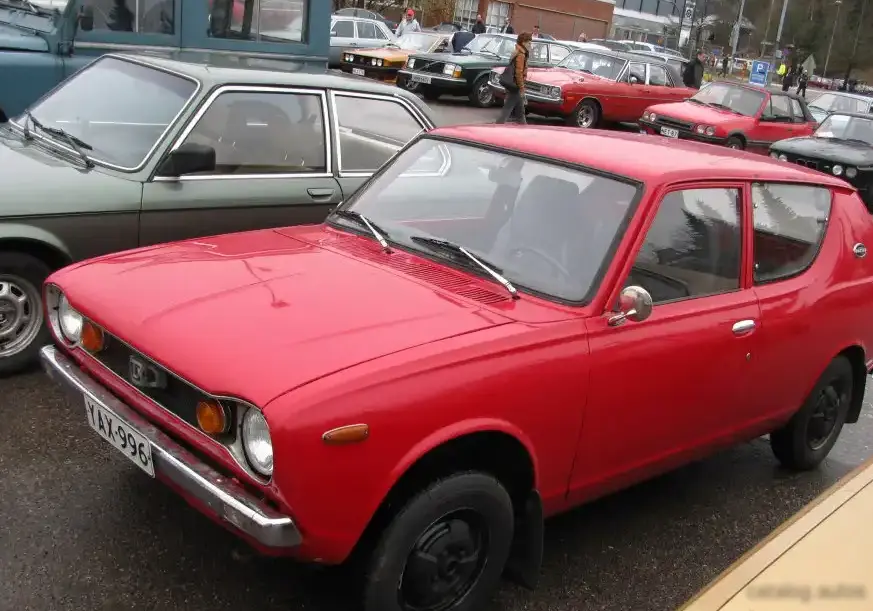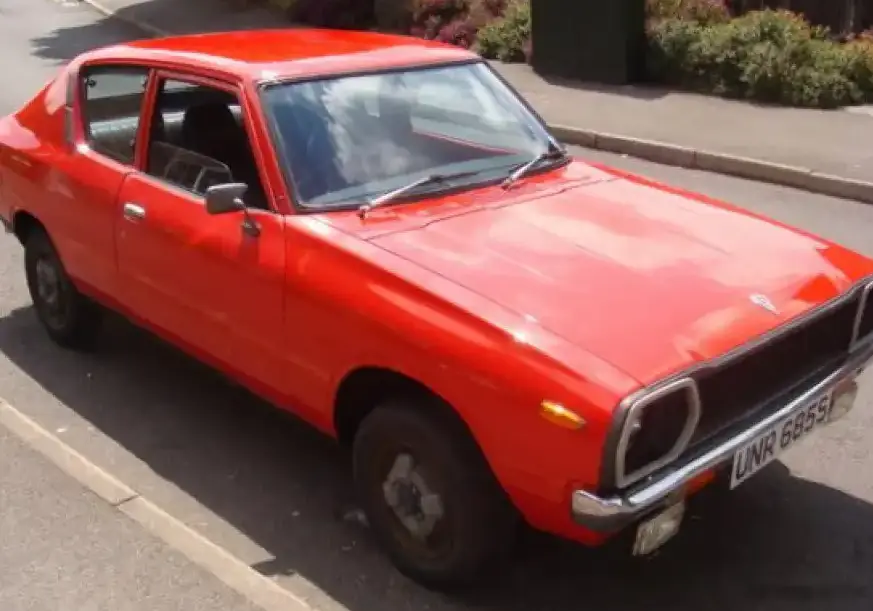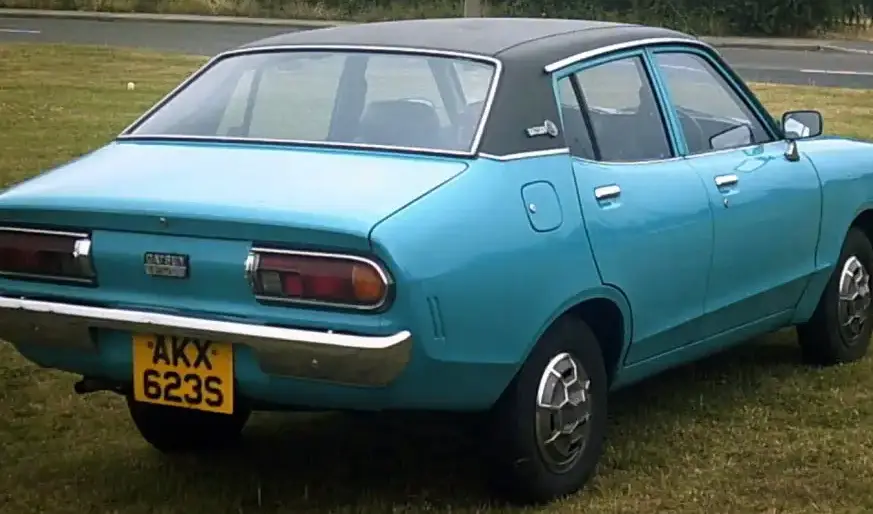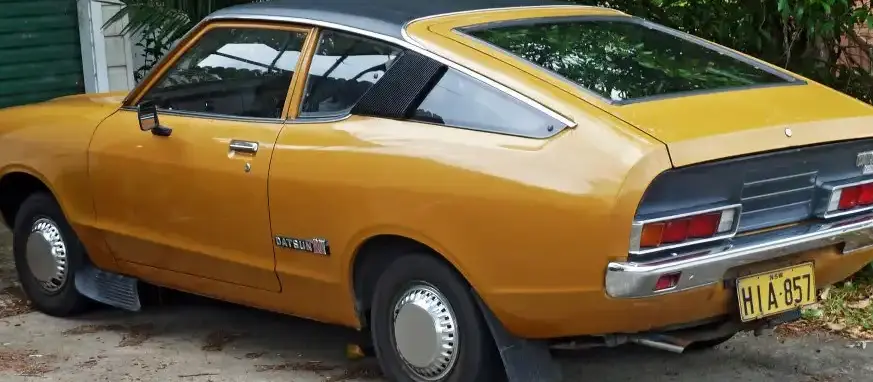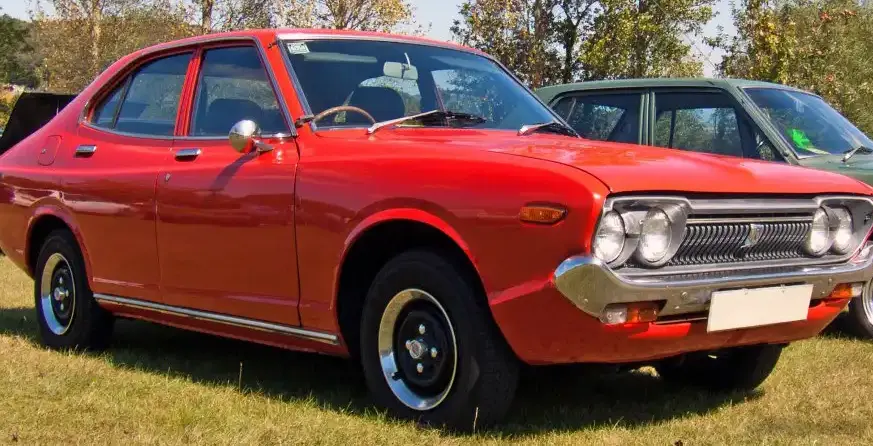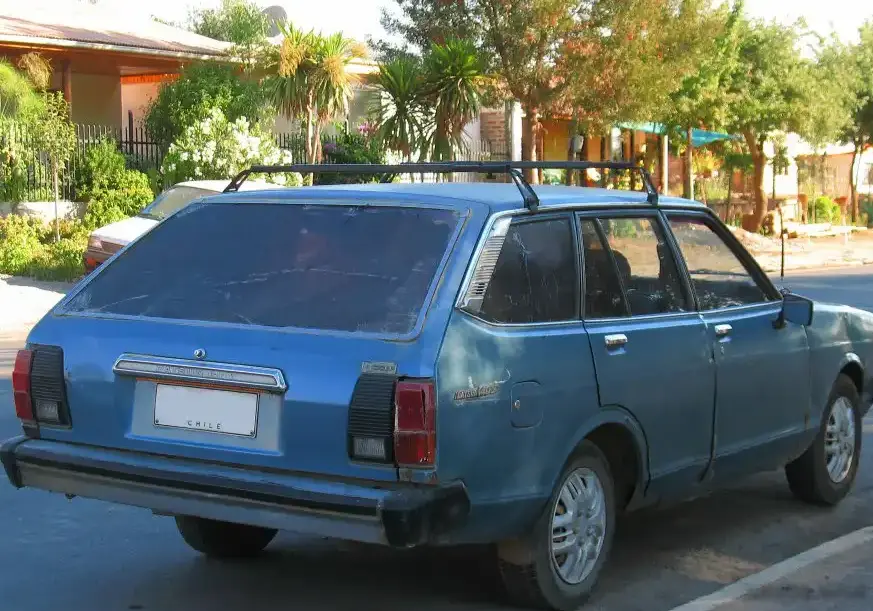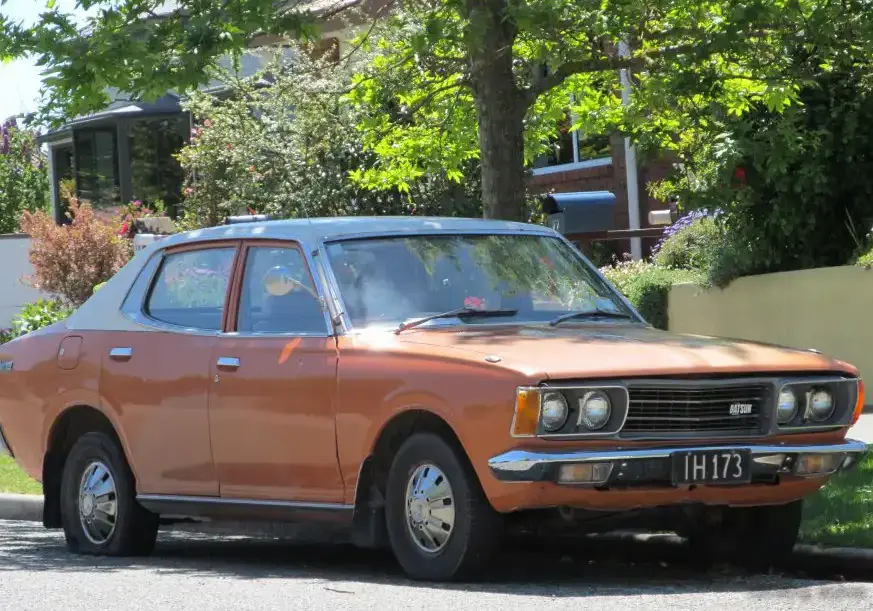
The Nissan Datsun 180B (PL810), specifically the 1.8-liter 88 horsepower variant, represents a significant entry in the compact sedan market for Nissan during the late 1970s and early 1980s. Produced from 1977 to 1981, this model served as a practical and affordable transportation option, particularly in markets outside of North America where Datsun branding was prominent. It was part of the PL810 series, a generation known for its reliability and fuel efficiency, characteristics highly valued during the period following the oil crises. This particular 1.8L engine and automatic transmission combination occupied a middle ground in the 180B lineup, offering a balance between cost, convenience, and acceptable performance.
Technical Specifications
| Brand | Nissan |
| Model | Datsun 180B |
| Generation | Datsun 180B (PL810) |
| Type (Engine) | 1.8 (88 Hp) |
| Start of production | 1977 |
| End of production | 1981 |
| Powertrain Architecture | Internal Combustion Engine |
| Body type | Sedan |
| Fuel Type | Petrol (Gasoline) |
| Power | 88 Hp |
| Engine Aspiration | Naturally Aspirated |
Introduction
The Datsun 180B (PL810) was introduced as a replacement for the Datsun 160B, offering a larger engine and slightly more refined features. The “180” designation referred to the engine displacement in cubic centimeters. The PL810 series was designed to appeal to a broad customer base seeking a dependable and economical vehicle. While the 180B was sold in some markets under the Nissan brand, it was predominantly marketed as a Datsun, particularly in Australia, New Zealand, South Africa, and parts of Asia. The 1.8-liter, 88 horsepower version with an automatic transmission was a popular choice for buyers prioritizing ease of driving over outright performance. It positioned itself between the base model with a smaller engine and the more powerful, though less fuel-efficient, options.
Powertrain & Engine Architecture
The heart of the 180B was the A18 engine, a 1.8-liter inline-four cylinder gasoline engine. This engine, while not particularly technologically advanced, was known for its robustness and longevity. The 88 horsepower output was achieved through a naturally aspirated configuration, utilizing a single overhead camshaft (SOHC) valvetrain. Fuel delivery was managed by a Hitachi-supplied carburetor, a common setup for the era. The A18 featured a cast iron block and an aluminum cylinder head, contributing to its durability. The automatic transmission was typically a three-speed unit, designed for smooth, if not particularly quick, shifts. This transmission was chosen for its convenience, appealing to drivers who preferred not to operate a manual gearbox, especially in urban driving conditions. The engine code varied slightly depending on the market, but generally fell within the A18 series.
Driving Characteristics
The 1.8-liter, automatic transmission 180B offered a comfortable, albeit uninspiring, driving experience. Acceleration was adequate for everyday driving, but it wasn’t designed for spirited performance. The three-speed automatic transmission had relatively widely spaced gear ratios, prioritizing fuel economy over rapid acceleration. The car felt most comfortable cruising at highway speeds, where the engine didn’t need to work excessively hard. Compared to the manual transmission versions of the 180B, the automatic suffered a noticeable performance penalty. The manual offered quicker acceleration and better responsiveness, appealing to drivers who enjoyed a more engaging driving experience. However, the automatic provided a level of convenience that many drivers found preferable, particularly in congested traffic. The steering was light and easy, making it simple to maneuver in tight spaces.
Equipment & Trim Levels
The 180B with the 1.8-liter engine and automatic transmission typically came with a fairly basic level of standard equipment. This included cloth upholstery, a simple dashboard layout with analog gauges, and basic exterior trim. Power steering was often an optional extra, as was air conditioning. The interior was functional and durable, designed to withstand the rigors of daily use. Higher trim levels offered upgrades such as upgraded upholstery, a more comprehensive instrument cluster, and additional chrome trim on the exterior. Radio options were available, typically AM/FM units. The overall focus was on providing a practical and affordable vehicle, rather than a luxurious one. The trim level of this variant generally sat in the mid-range of the 180B lineup, offering a step up from the base models but falling short of the more fully equipped versions.
Chassis & Braking
The 180B utilized a relatively conventional chassis design for the era. It featured a body-on-frame construction, providing a robust and durable platform. The suspension consisted of independent front suspension with MacPherson struts and a live rear axle with leaf springs. This setup provided a comfortable ride, although it wasn’t particularly sporty. Braking was typically accomplished with drum brakes on all four wheels, although some markets offered front disc brakes as an option. The braking system was adequate for normal driving conditions, but it lacked the stopping power of more modern systems. Stabilizer bars were often included to reduce body roll during cornering, improving handling stability. The chassis was designed to provide a balance between ride comfort and handling, prioritizing practicality over performance.
Market Reception & Comparison
The Datsun 180B was generally well-received by critics and consumers alike. It was praised for its reliability, fuel efficiency, and affordability. The 1.8-liter engine with automatic transmission was seen as a good compromise for drivers who wanted a comfortable and convenient vehicle without sacrificing too much performance. Compared to other vehicles in its class, such as the Toyota Corolla and Ford Cortina, the 180B offered a competitive package. Fuel economy was generally comparable to its rivals, and its reliability was often cited as a key advantage. However, some critics noted that the interior was somewhat basic and that the performance was not particularly exciting. The automatic transmission, while convenient, did detract from the overall driving experience compared to the manual versions.
Legacy
The Nissan Datsun 180B (PL810) has earned a reputation as a durable and dependable classic car. The A18 engine is known for its longevity, and many examples are still on the road today. The 1.8-liter automatic version, while not the most sought-after trim, remains a popular choice for enthusiasts seeking a simple and reliable classic. Parts availability is generally good, although some components may be becoming increasingly difficult to find. In the used car market, these vehicles are often valued for their affordability and ease of maintenance. They represent a piece of automotive history, showcasing the design and engineering principles of the late 1970s and early 1980s. The 180B’s enduring appeal lies in its practicality, reliability, and the nostalgic charm of a bygone era.