Technical Specifications
| Brand | Nissan |
| Model | Datsun 180B (PL810) |
| Engine Type | 1.8L Inline-Four (KPL810) |
| Horsepower | 90 hp @ 5,200 rpm |
| Torque | 118 lb-ft @ 3,200 rpm |
| Fuel System | Hitachi Carburetor |
| Transmission | 3-Speed Automatic |
| Drivetrain | Rear-Wheel Drive |
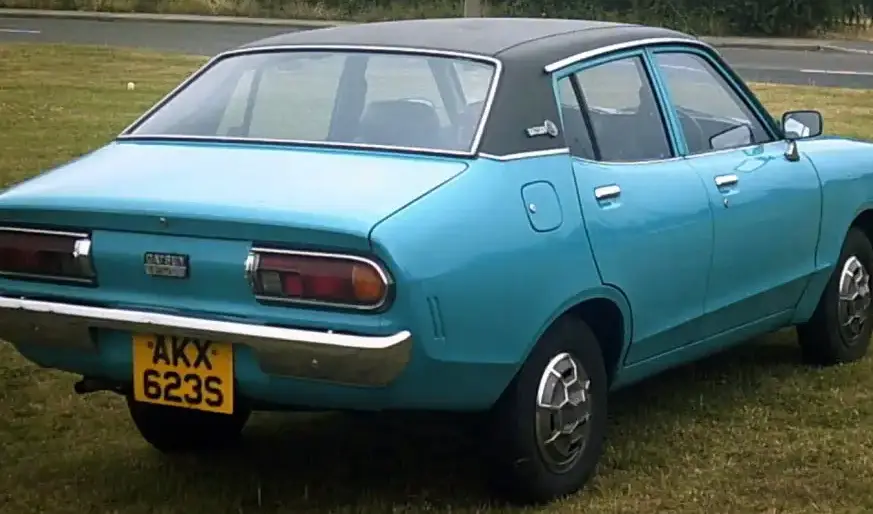
| Body Type | 4-Door Sedan |
| Production Years | 1977-1981 |
| Wheelbase | 98.4 inches (2,500 mm) |
| Length | 178.7 inches (4,540 mm) |
| Width | 68.1 inches (1,730 mm) |
| Height | 56.3 inches (1,430 mm) |
| Weight | 2,425 lbs (1,100 kg) approximately |
| Fuel Capacity | 13.2 gallons (50 liters) |
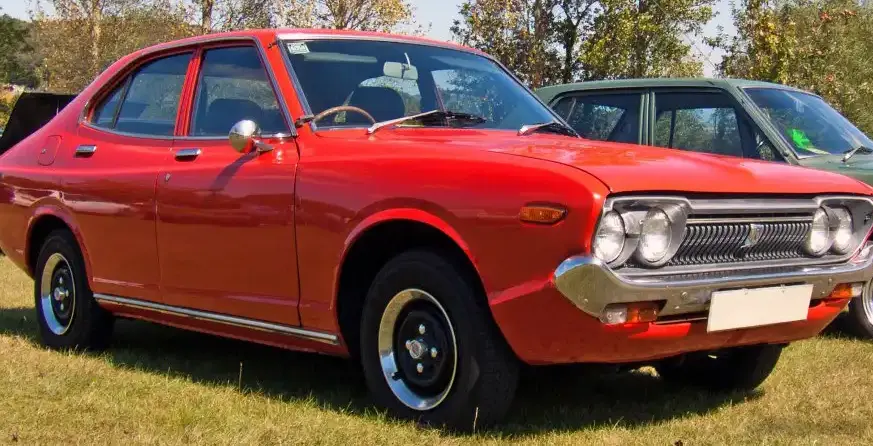
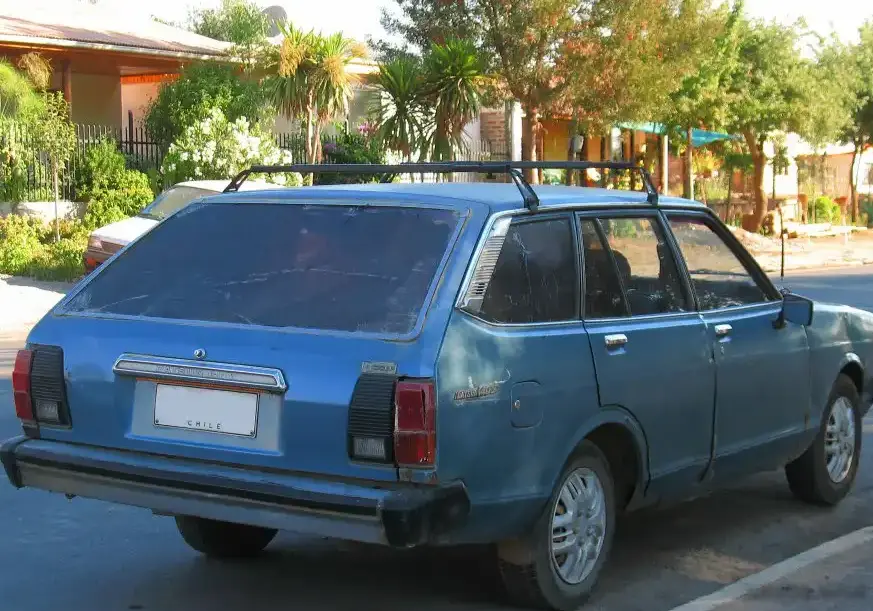
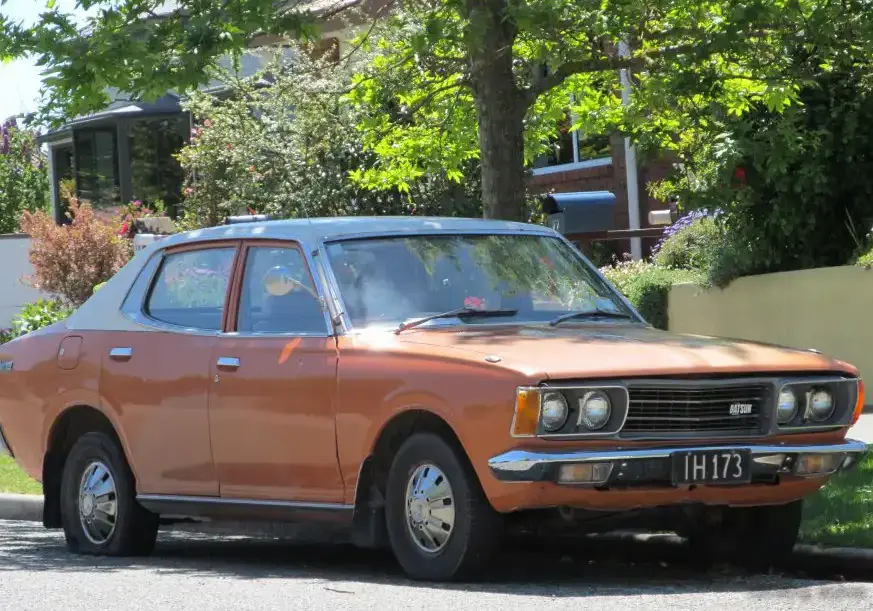
The Nissan Datsun 180B (PL810), specifically the 1.8-liter (KPL810) 90 horsepower variant, represents a significant entry in the compact sedan market during its 1977-1981 production run. Positioned as a practical and affordable family vehicle, the 180B served as a crucial model for Nissan (marketed as Datsun in many regions, including the United States) during a period of increasing fuel costs and a demand for efficient transportation. This particular engine and trim level occupied the lower-mid range of the 180B lineup, offering a balance between economy and usability. It was designed to appeal to buyers prioritizing reliability and fuel efficiency over outright performance.
Powertrain & Engine Architecture
The heart of the Datsun 180B 1.8 was the KPL810 engine, an inline-four cylinder, naturally aspirated gasoline engine displacing 1.8 liters (1778 cc). This engine utilized a single overhead camshaft (SOHC) valvetrain, operating with two valves per cylinder. Fuel delivery was managed by a Hitachi carburetor, a common setup for the era, prioritizing simplicity and cost-effectiveness. The engine’s design emphasized durability and low-end torque, rather than high-revving power. The 90 horsepower output was considered adequate for the vehicle’s weight and intended use, providing sufficient power for everyday driving.
Paired with the 1.8L engine was a three-speed automatic transmission. This transmission was chosen to enhance the vehicle’s ease of use, particularly appealing to drivers who preferred the convenience of automatic operation. While not offering the performance of a manual transmission, the three-speed automatic provided smooth shifts and acceptable acceleration for typical commuting and highway driving. The automatic transmission’s gear ratios were optimized for fuel economy and relaxed cruising, rather than aggressive acceleration.
Driving Characteristics
The 180B 1.8 Automatic offered a comfortable, if not particularly sporty, driving experience. Acceleration was modest, with 0-60 mph times estimated around 13-15 seconds. The three-speed automatic transmission contributed to a relaxed driving style, with noticeable downshifts required for passing maneuvers or climbing hills. Compared to the available manual transmission versions, the automatic resulted in a slight decrease in fuel economy and responsiveness. However, the automatic’s ease of use made it a popular choice for many buyers. The rear-wheel-drive configuration provided predictable handling, although it lacked the sophistication of more modern suspension systems. The steering was relatively light, making it easy to maneuver in urban environments.
Equipment & Trim Levels
The 180B 1.8 Automatic typically came equipped with a fairly basic set of standard features. Interior upholstery was generally cloth, available in a range of muted colors. The dashboard featured a straightforward layout with essential gauges, including a speedometer, fuel gauge, and temperature gauge. An AM radio was often standard, with an optional AM/FM stereo available. Power steering was not always standard, often being an optional extra. Other available options included air conditioning, upgraded interior trim, and a vinyl roof. The trim level of the 1.8 Automatic generally positioned it as a step above the base model, offering a slightly more refined interior and a few additional convenience features.
Chassis & Braking
The Datsun 180B utilized a conventional body-on-frame construction, providing a robust and durable chassis. The suspension consisted of independent front suspension with coil springs and a solid rear axle with leaf springs. This setup prioritized ride comfort and durability over sporty handling. Braking was typically accomplished with drum brakes on all four wheels, although some later models may have featured front disc brakes. The braking system was adequate for the vehicle’s weight and performance, but lacked the stopping power of more modern braking systems. Stabilizer bars were often omitted on the base models, contributing to a slightly more pronounced body roll during cornering.
Market Reception & Comparison
The Datsun 180B 1.8 Automatic was generally well-received by critics as a practical and reliable family sedan. It was praised for its fuel efficiency, comfortable ride, and affordable price. However, it was also criticized for its lack of performance and somewhat dated styling. Compared to other compact sedans of the era, such as the Toyota Corolla and Ford Pinto, the 180B offered a good balance of features and value. The 1.8L automatic variant was often seen as a compromise between the more economical 1.6L engine and the more powerful 2.0L engine. Fuel economy was a key selling point, averaging around 25-30 mpg in real-world driving conditions. Reliability was also a strong suit, with the KPL810 engine proving to be durable and long-lasting.
Legacy
The Nissan Datsun 180B, including the 1.8L Automatic variant, has developed a modest following among classic car enthusiasts. The KPL810 engine is known for its reliability and relative simplicity, making it relatively easy to maintain and repair. Parts availability is generally good, although some components may be becoming increasingly scarce. Today, well-maintained examples of the 180B are sought after by collectors and enthusiasts who appreciate their classic styling and dependable nature. The 1.8L Automatic version, while not the most desirable trim level, remains a viable option for those seeking an affordable and reliable vintage sedan. Its enduring appeal lies in its simplicity, durability, and the nostalgic connection it provides to a bygone era of automotive design.