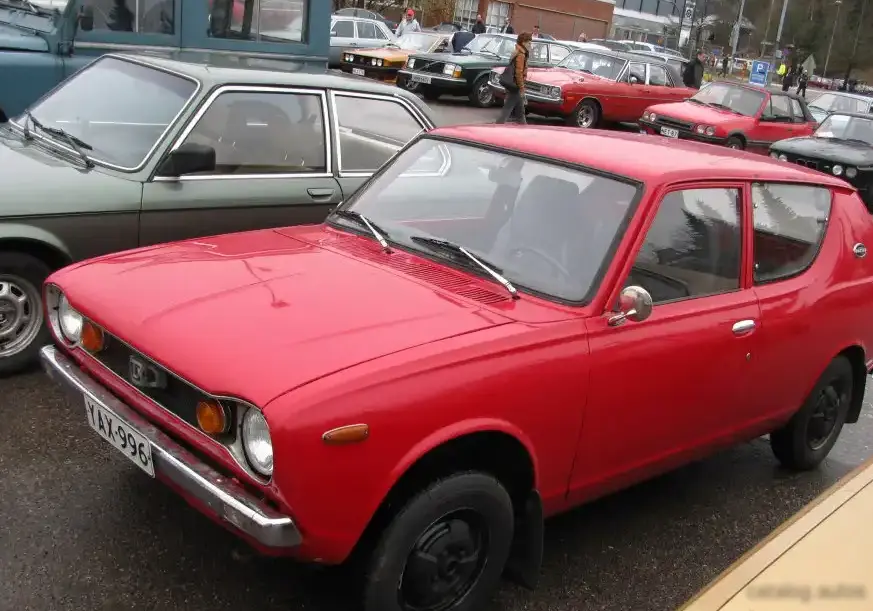
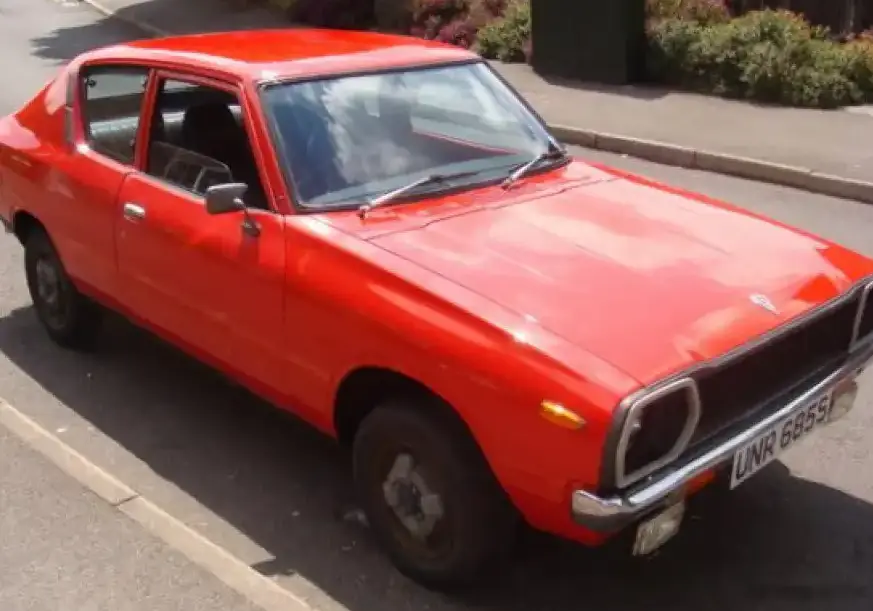
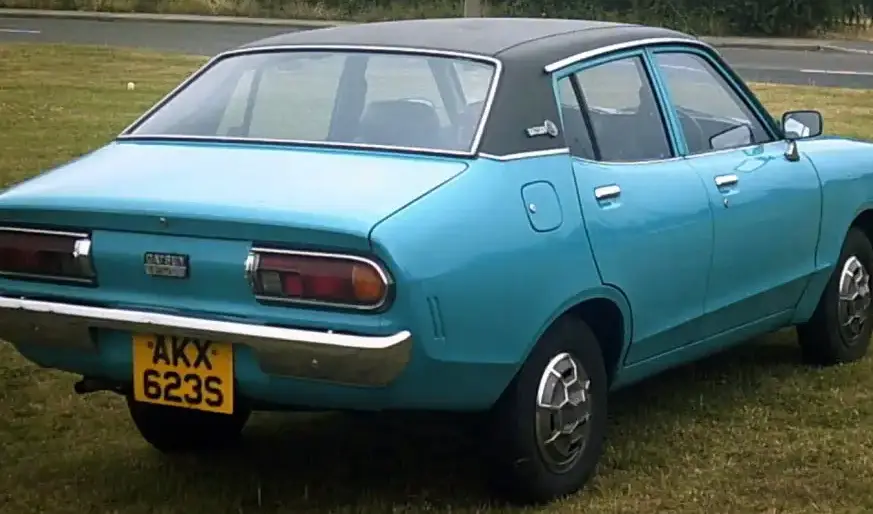
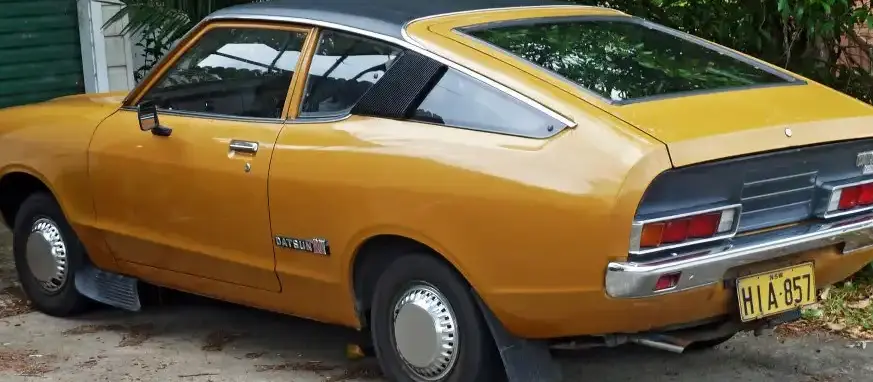
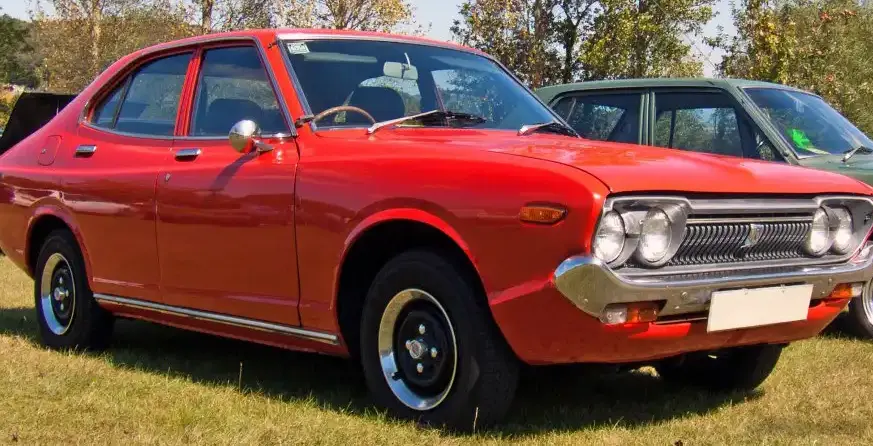
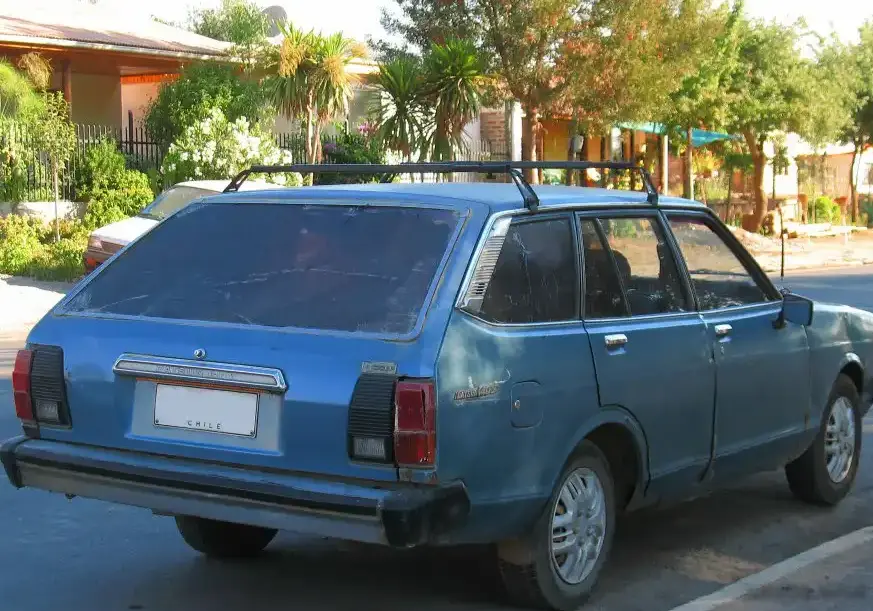
The Nissan Datsun 240 Coupe, specifically the KMLG C210 variant with the KGT 2.4 engine producing 131 horsepower, represents a significant evolution in Nissan’s personal luxury coupe offerings. Produced from 1978 through 1981, this model bridged the gap between the earlier, more compact Datsun 240Z and the larger, more modern sedans Nissan was developing for the North American market. It was positioned as a stylish, comfortable, and relatively affordable coupe aimed at buyers seeking a step up from basic transportation but not requiring the outright performance of a sports car. The C210 series, while sharing some mechanical components with the Datsun 810 sedan, offered a distinct coupe profile and a more focused driving experience.
Technical Specifications
| Brand | Nissan |
| Model | Datsun 240 Coupe |
| Generation | Datsun 240 Coupe (KMLG C210) |
| Type (Engine) | KGT 2.4 (131 Hp) |
| Start of Production | 1978 |
| End of Production | 1981 |
| Powertrain Architecture | Internal Combustion Engine |
| Body Type | Coupe |
| Fuel Type | Petrol (Gasoline) |
| Engine Power | 131 Hp |
| Engine Aspiration | Naturally Aspirated |
Powertrain & Engine Architecture
The heart of the Datsun 240 Coupe KGT 2.4 is the L24E inline-six cylinder engine. This 2.4-liter (2388cc) engine is a naturally aspirated, overhead camshaft design. It features a cast iron block and an aluminum cylinder head, a common configuration for Nissan engines of the era. The L24E utilized a Bosch L-Jetronic fuel injection system, a significant upgrade from the carburetors found on earlier Datsun models. This system improved fuel efficiency, reduced emissions, and provided smoother engine operation. The engine produced 131 horsepower at 5200 rpm and 146 lb-ft of torque at 3200 rpm. The engine’s valvetrain consists of a single overhead camshaft operating two valves per cylinder. The transmission paired with the L24E in this variant is a three-speed automatic. While not known for its sporty performance, this automatic transmission provided smooth and comfortable shifts, aligning with the coupe’s grand touring intentions. The automatic transmission was designed for reliability and ease of use, rather than outright speed.
Driving Characteristics
The 131 horsepower and automatic transmission combination in the Datsun 240 Coupe delivered a comfortable, but not particularly exhilarating, driving experience. Acceleration was adequate for highway merging and passing, but it wasn’t a car designed for quick sprints. The three-speed automatic transmission had relatively widely spaced gear ratios, prioritizing fuel economy and smooth cruising over rapid acceleration. Compared to the five-speed manual transmission available on some 240 Coupe models, the automatic version felt noticeably slower. The manual transmission allowed the engine to rev higher and stay within its powerband more effectively. However, the automatic offered a more relaxed driving experience, particularly in city traffic. The suspension, while comfortable, leaned towards a softer setup, prioritizing ride quality over sharp handling. Steering was light and responsive, making the car easy to maneuver, but it lacked the feedback desired by more enthusiastic drivers.
Equipment & Trim Levels
The Datsun 240 Coupe KGT 2.4 was generally well-equipped for its time. Standard features typically included cloth upholstery, a woodgrain-trimmed dashboard, a center console, and power steering. Air conditioning was a common option, as were power windows and a stereo system. The interior design was focused on comfort and convenience, with supportive seats and a spacious cabin. Higher trim levels, if available, might have included features like leather upholstery, upgraded sound systems, and additional chrome trim. The exterior styling was characterized by a clean, elegant design with a long hood and a sloping roofline. The car featured integrated headlights and a relatively understated grille. Wheel options typically included steel wheels with hubcaps or optional alloy wheels.
Chassis & Braking
The Datsun 240 Coupe utilized a body-on-frame construction, a common practice for American market cars of the era. The chassis featured independent front suspension with MacPherson struts and a solid rear axle with leaf springs. This suspension setup provided a comfortable ride, but it wasn’t particularly sophisticated in terms of handling. The braking system consisted of disc brakes on the front wheels and drum brakes on the rear wheels. Power assist was standard. While adequate for normal driving conditions, the braking system wasn’t as powerful or responsive as those found on more performance-oriented vehicles. The car’s weight distribution was relatively balanced, contributing to its stable handling characteristics. A stabilizer bar was included at the front to reduce body roll during cornering.
Market Reception & Comparison
The Datsun 240 Coupe was generally well-received by automotive critics and consumers alike. It was praised for its stylish design, comfortable interior, and relatively affordable price. However, some critics noted that its performance was somewhat underwhelming, particularly with the automatic transmission. Compared to other coupes in its class, such as the Ford Mustang and Chevrolet Camaro, the Datsun 240 Coupe offered a more refined and comfortable driving experience, but it lacked the raw power and sporty handling of its American competitors. In terms of fuel economy, the 240 Coupe with the automatic transmission achieved around 18-22 mpg in combined driving, which was competitive for the late 1970s and early 1980s. Reliability was generally good, although some owners reported issues with the Bosch L-Jetronic fuel injection system. The manual transmission versions were often preferred by enthusiasts due to their superior performance and driving engagement.
Legacy
The Datsun 240 Coupe KGT 2.4, while not a high-performance icon, holds a respectable place in automotive history. It represents a transitional period for Nissan, as the company moved away from its sports car roots and towards a broader range of vehicles aimed at the mass market. The L24E engine, in particular, is known for its durability and reliability, and many examples are still on the road today. In the used car market, well-maintained 240 Coupes are sought after by collectors and enthusiasts who appreciate their classic styling and comfortable driving experience. The automatic transmission versions, while less desirable to performance enthusiasts, remain a viable option for those seeking a stylish and affordable classic coupe. Parts availability is generally good, although some specific components may be difficult to find. The Datsun 240 Coupe remains a testament to Nissan’s ability to produce well-built, reliable, and stylish vehicles that appeal to a wide range of buyers.