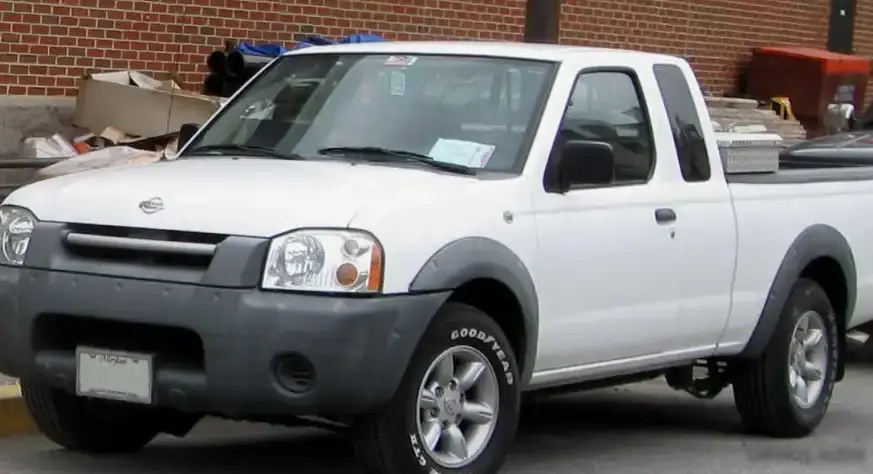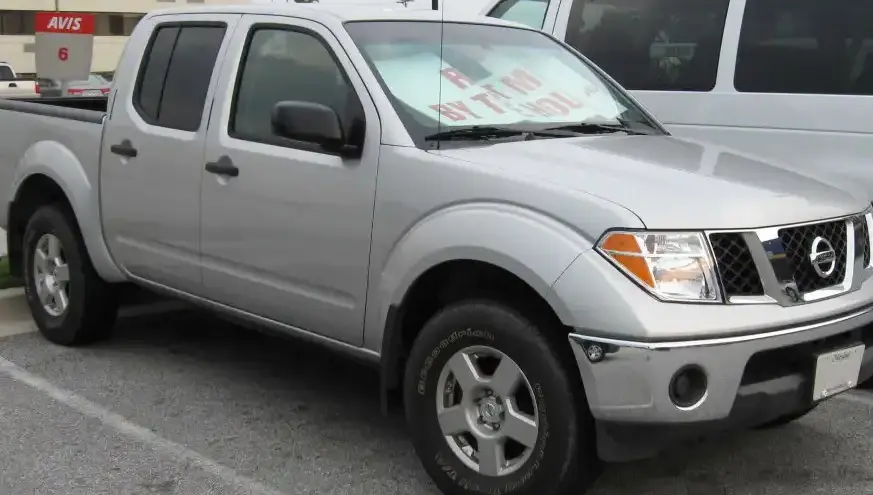
The Nissan Frontier II Crew Cab, specifically the D40 generation produced between 2005 and 2009, represented Nissan’s entry into the increasingly popular mid-size pickup truck market in North America and other global markets. This variant, equipped with the 4.0-liter V6 engine producing 265 horsepower and a four-wheel-drive system, was positioned as a capable and versatile option for both work and recreational use. The Crew Cab configuration, offering seating for five passengers, distinguished it from the standard cab and extended cab models, appealing to buyers needing more interior space. This model played a significant role in establishing Nissan as a competitive force in the mid-size truck segment.
Technical Specifications
| Brand | Nissan |
| Model | Frontier |
| Generation | Frontier II Crew Cab (D40) |
| Type (Engine) | 4.0 V6 (265 Hp) 4×4 |
| Start of production | 2005 |
| End of production | 2009 |
| Powertrain Architecture | Internal Combustion engine |
| Body type | Pick-up |
| Seats | 5 |
| Doors | 4 |
| Fuel consumption (urban) | 16.8 l/100 km (14 US mpg, 16.8 UK mpg) |
| Fuel consumption (extra urban) | 12.3 l/100 km (19.1 US mpg, 23 UK mpg) |
| Fuel Type | Petrol (Gasoline) |
| Power | 265 Hp @ 6500 rpm |
| Torque | 385 Nm @ 4000 rpm (283.96 lb.-ft. @ 4000 rpm) |
| Engine layout | Front, Longitudinal |
| Engine Model/Code | VQ40DE |
| Engine displacement | 3954 cm3 (241.29 cu. in.) |
| Number of cylinders | 6 |
| Engine configuration | V-engine |
| Cylinder Bore | 95.5 mm (3.76 in.) |
| Piston Stroke | 92 mm (3.62 in.) |
| Number of valves per cylinder | 4 |
| Fuel injection system | Multi-port manifold injection |
| Engine aspiration | Naturally aspirated engine |
| Valvetrain | DOHC |
| Engine oil capacity | 5.1 l (5.39 US qt | 4.49 UK qt) |
| Coolant capacity | 10.2 l (10.78 US qt | 8.97 UK qt) |
| Fuel tank capacity | 80 l (21.13 US gal | 17.6 UK gal) |
| Length | 5220 mm (205.51 in.) |
| Width | 1850 mm (72.83 in.) |
| Height | 1879 mm (73.98 in.) |
| Wheelbase | 3200 mm (125.98 in.) |
| Front track | 1570 mm (61.81 in.) |
| Rear track | 1567 mm (61.69 in.) |
| Drive wheel | All wheel drive (4×4) |
| Number of gears | 6 |
| Gearbox type | Manual transmission |
| Front suspension | Double wishbone |
| Rear suspension | Leaf spring |
| Front brakes | Ventilated discs |
| Rear brakes | Disc |
| Assisting systems | ABS (Anti-lock braking system) |
| Steering type | Steering rack and pinion |
| Tires size | 235/75 R15; 265/70 R16; 265/75 R16; 265/65 R17 |
| Wheel rims size | 7.0J x 15; 7.0J x 16; 7.5J x 17 |
Powertrain & Engine Architecture
The heart of this Frontier variant is the VQ40DE 4.0-liter V6 engine. This engine, a member of Nissan’s highly regarded VQ family, is a 60-degree V-engine featuring a cast iron block and aluminum cylinder heads. It utilizes a multi-port fuel injection system, delivering fuel directly into each intake port for optimized combustion. The engine employs a double overhead camshaft (DOHC) valvetrain with four valves per cylinder, contributing to its strong power output. The 265 horsepower and 385 Nm (284 lb-ft) of torque were respectable figures for a mid-size truck of this era. The six-speed manual transmission was the standard offering, providing drivers with full control over gear selection. The transmission’s gear ratios were tuned to balance acceleration and fuel efficiency, though the emphasis was clearly on providing sufficient power for towing and hauling.
Driving Characteristics
The 4.0L V6 and manual transmission combination delivered a noticeably more engaging driving experience compared to the lower-powered 2.5L four-cylinder options. Acceleration was brisk, and the engine provided ample torque for navigating both on-road and off-road conditions. The manual transmission allowed for precise control, particularly useful when tackling challenging terrain or when towing. While not as refined as some of its competitors, the Frontier offered a robust and capable driving experience. The leaf spring rear suspension, while contributing to load-carrying capacity, could result in a somewhat firm ride when unladen. The four-wheel-drive system provided enhanced traction in slippery conditions, making it a suitable choice for those living in areas with inclement weather or who frequently engage in off-road activities.
Equipment & Trim Levels
The Crew Cab configuration came standard with features like air conditioning, power windows and locks, and an AM/FM stereo. Higher trim levels, such as the SE and LE, added features like alloy wheels, a premium sound system, and leather upholstery. Optional extras included a sunroof, navigation system, and a towing package. The interior design was functional and durable, prioritizing practicality over luxury. The Crew Cab’s rear seats offered reasonable legroom for passengers, making it a comfortable option for families or those who frequently transport multiple occupants.
Chassis & Braking
The Frontier II Crew Cab utilized a body-on-frame construction, providing a robust and durable platform. The front suspension featured a double wishbone design, while the rear suspension employed leaf springs. This combination offered a good balance of ride comfort and load-carrying capacity. The braking system consisted of ventilated discs at the front and solid discs at the rear, providing adequate stopping power for most driving situations. An anti-lock braking system (ABS) was standard, enhancing safety by preventing wheel lockup during hard braking.
Market Reception & Comparison
The Nissan Frontier II Crew Cab 4.0L V6 4×4 was generally well-received by critics and consumers alike. It was praised for its strong engine, capable four-wheel-drive system, and spacious Crew Cab configuration. Compared to competitors like the Toyota Tacoma and Ford Ranger, the Frontier offered a compelling value proposition, often undercutting its rivals in price. However, some critics noted that the interior was not as refined as some of its competitors, and the ride quality could be somewhat firm. Fuel economy was also a concern for some buyers, with the 4.0L V6 consuming a significant amount of fuel, especially in urban driving conditions.
Legacy
The Nissan Frontier II Crew Cab 4.0L V6 4×4 has proven to be a relatively reliable vehicle, with many examples still on the road today. The VQ40DE engine is known for its durability and longevity, provided it is properly maintained. Common maintenance items include regular oil changes, coolant flushes, and spark plug replacements. While some owners have reported issues with the radiator and cooling system, these are generally addressable with preventative maintenance. In the used car market, these Frontiers hold their value reasonably well, particularly those in good condition with low mileage. They remain a popular choice for those seeking a capable and affordable mid-size pickup truck.