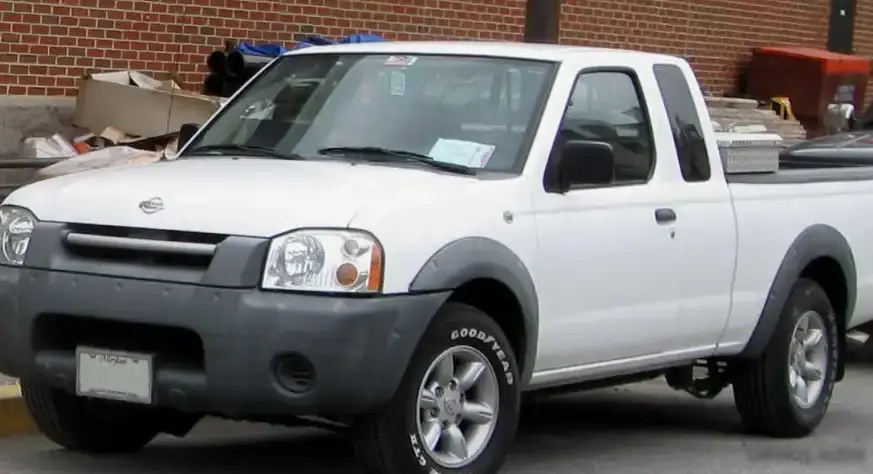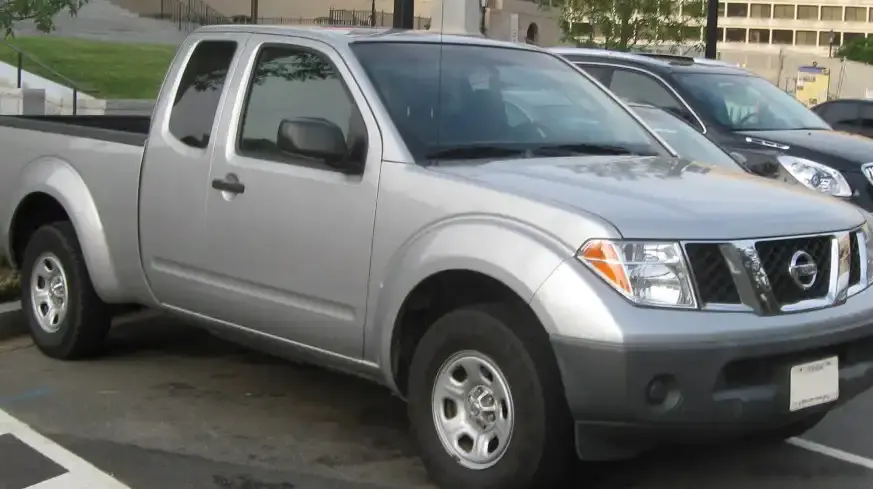
The Nissan Frontier II King Cab (D40) 2.5, producing 154 horsepower, was a mid-size pickup truck sold primarily in international markets from 2005 to 2009. It represented Nissan’s second-generation Frontier, building upon the foundation laid by the original D22 series. The D40 was a significant departure from its predecessor, offering a more modern design, improved interior space, and enhanced mechanical sophistication. This particular 2.5-liter variant occupied a middle ground in the Frontier lineup, positioned as a more affordable and fuel-conscious alternative to the larger displacement engines offered, while still providing adequate capability for typical pickup truck duties. It was never officially sold in the North American market.
Technical Specifications
| Brand | Nissan |
| Model | Frontier |
| Generation | Frontier II King Cab (D40) |
| Type (Engine) | 2.5 (154 Hp) |
| Start of production | 2005 |
| End of production | 2009 |
| Powertrain Architecture | Internal Combustion engine |
| Body type | Pick-up |
| Seats | 5 |
| Doors | 2 |
| Fuel consumption (urban) | 12.3 l/100 km (19.1 US mpg) |
| Fuel consumption (extra urban) | 10.2 l/100 km (23.1 US mpg) |
| Fuel Type | Petrol (Gasoline) |
| Power | 154 Hp @ 5200 rpm |
| Torque | 231 Nm @ 4400 rpm (170.38 lb.-ft. @ 4400 rpm) |
| Engine layout | Front, Longitudinal |
| Engine Model/Code | QR25DE |
| Engine displacement | 2488 cm3 (151.83 cu. in.) |
| Number of cylinders | 4 |
| Engine configuration | Inline |
| Cylinder Bore | 89 mm (3.5 in.) |
| Piston Stroke | 100 mm (3.94 in.) |
| Number of valves per cylinder | 4 |
| Fuel injection system | Multi-port manifold injection |
| Engine aspiration | Naturally aspirated engine |
| Valvetrain | DOHC |
| Engine oil capacity | 4.9 l (5.18 US qt | 4.31 UK qt) |
| Coolant capacity | 9.4 l (9.93 US qt | 8.27 UK qt) |
| Fuel tank capacity | 80 l (21.13 US gal | 17.6 UK gal) |
| Length | 5220 mm (205.51 in.) |
| Width | 1850 mm (72.83 in.) |
| Height | 1879 mm (73.98 in.) |
| Wheelbase | 3200 mm (125.98 in.) |
| Front track | 1225 mm (48.23 in.) |
| Rear track | 1570 mm (61.81 in.) |
| Drivetrain | Rear wheel drive |
| Number of gears | 5 |
| Gearbox type | Manual transmission |
| Front suspension | Double wishbone |
| Rear suspension | Leaf spring |
| Front brakes | Ventilated discs |
| Rear brakes | Disc |
| Assisting systems | ABS (Anti-lock braking system) |
| Steering type | Steering rack and pinion |
| Tires size | 235/75 R15; 265/70 R16; 265/75 R16; 265/65 R17 |
| Wheel rims size | 7.0J x 15; 7.0J x 16; 7.5J x 17 |
Powertrain & Engine Architecture
The heart of this Frontier variant is the QR25DE, a 2.5-liter inline-four cylinder gasoline engine. This engine is a member of Nissan’s QR family, known for its relatively lightweight construction and decent fuel efficiency. The QR25DE utilizes a cast iron block with an aluminum cylinder head, featuring dual overhead camshafts (DOHC) and four valves per cylinder. Fuel delivery is managed by a multi-point fuel injection system. The engine’s 154 horsepower and 170 lb-ft of torque were considered adequate for everyday use and light-duty hauling. The five-speed manual transmission was the standard offering, providing a direct connection between the engine and the rear wheels. The transmission’s gear ratios were tuned for a balance of acceleration and fuel economy, though it wasn’t designed for high-performance applications.
Driving Characteristics
The 2.5-liter Frontier King Cab, equipped with the manual transmission, offered a reasonably engaging driving experience, though it wasn’t particularly quick. Acceleration was adequate for merging onto highways and passing slower vehicles, but it lacked the punch of the larger 3.3-liter V6 engine available in other Frontier trims. The manual gearbox allowed for greater driver control, but the shift quality was sometimes criticized as being notchy. The rear-wheel-drive configuration provided a traditional pickup truck feel, with a focus on durability and simplicity. The leaf spring rear suspension, while robust, could result in a somewhat firm ride, especially when the bed was unloaded. The overall driving experience was geared towards practicality and utility rather than outright performance.
Equipment & Trim Levels
The 2.5-liter Frontier King Cab typically came with a fairly basic level of equipment, reflecting its position as a more affordable option. Standard features generally included air conditioning, power steering, and a basic audio system. The interior was typically finished with durable, easy-to-clean materials. Optional extras could include alloy wheels, upgraded audio systems, and power windows and locks. Trim levels varied depending on the specific market, but generally offered incremental upgrades in terms of comfort and convenience features. The King Cab configuration provided extra passenger space behind the front seats, making it a more versatile option for families or those needing to transport occasional passengers.
Chassis & Braking
The D40 Frontier utilized a body-on-frame construction, providing a robust and durable platform. The front suspension employed a double wishbone setup, offering a reasonable level of ride comfort and handling. The rear suspension, as mentioned previously, utilized leaf springs, which were well-suited for carrying loads. Braking duties were handled by ventilated discs at the front and solid discs at the rear. An anti-lock braking system (ABS) was standard, enhancing safety and control during emergency braking situations. The steering system was a rack-and-pinion setup, providing precise and responsive steering feel.
Market Reception & Comparison
The Nissan Frontier II King Cab 2.5 was generally well-received in markets where it was sold, particularly as a value-oriented pickup truck option. Critics praised its durability, practicality, and relatively fuel-efficient engine. However, some reviewers noted that the 2.5-liter engine lacked the power and refinement of the larger V6 engine. Compared to the V6-powered Frontier models, the 2.5-liter version offered better fuel economy but sacrificed performance. It also tended to be less expensive to maintain, due to the simpler engine design. Against competitors like the Toyota Hilux and Mitsubishi Triton, the Frontier offered a competitive package in terms of price, features, and reliability.
Legacy
The Nissan Frontier II King Cab 2.5, while not a high-performance machine, proved to be a reliable and durable pickup truck. The QR25DE engine, when properly maintained, is known for its longevity. In the used car market, these Frontiers are often sought after by buyers looking for an affordable and dependable work truck. While parts availability may be becoming more challenging as the vehicle ages, the QR25DE engine is relatively straightforward to repair, and many aftermarket parts are still available. The D40 Frontier, in general, established Nissan as a serious contender in the mid-size pickup truck segment, paving the way for future generations of the Frontier.