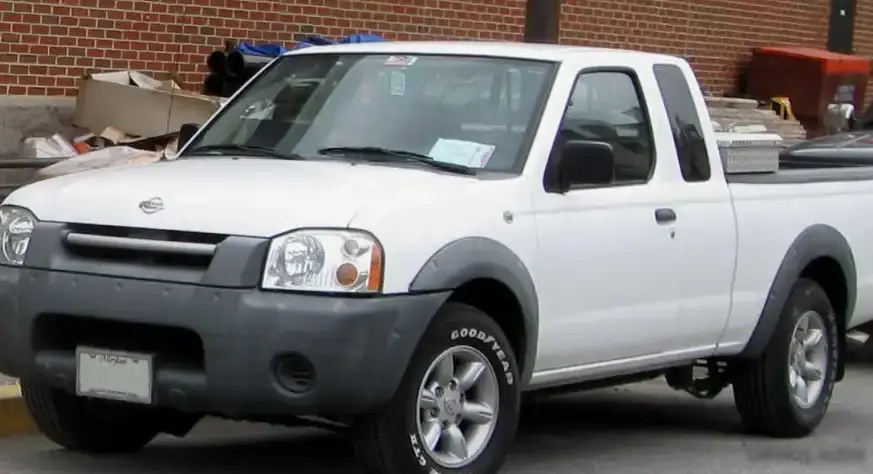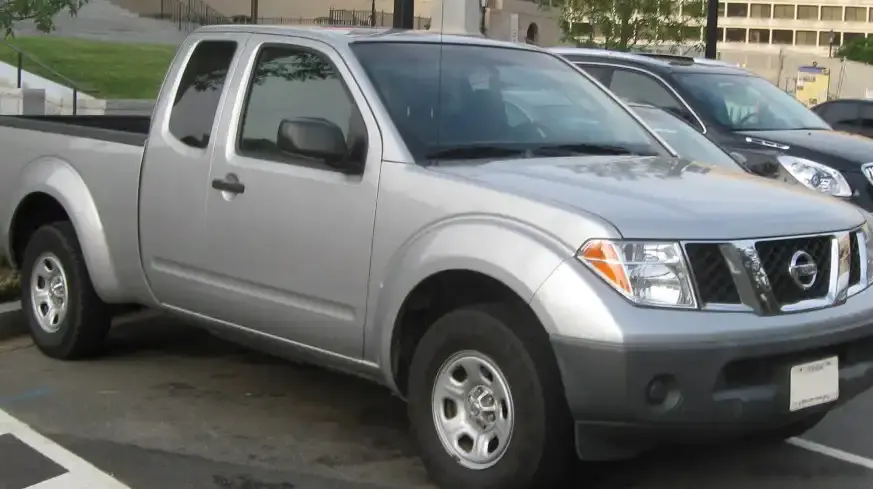
The Nissan Frontier II King Cab (D40), specifically the 4.0-liter V6 4×4 Automatic variant, represents a significant step in Nissan’s mid-size pickup truck offerings for the North American market. Produced from 2005 to 2009, this iteration of the Frontier aimed to blend robust capability with a degree of refinement not typically found in the segment. It was positioned as a versatile option for both work and recreational use, offering a comfortable cabin and a powerful engine in a practical package. The D40 chassis, while globally available earlier, was introduced to the US market in 2005, replacing the older D22 Frontier. This particular configuration – the 4.0L V6 paired with a five-speed automatic transmission and four-wheel drive – occupied a mid-to-upper trim level within the Frontier lineup, appealing to buyers who desired more power and convenience than the base 2.5-liter four-cylinder models.
Technical Specifications
| Brand | Nissan |
| Model | Frontier |
| Generation | Frontier II King Cab (D40) |
| Type (Engine) | 4.0 V6 (265 Hp) 4×4 Automatic |
| Start of production | 2005 |
| End of production | 2009 |
| Powertrain Architecture | Internal Combustion engine |
| Body type | Pick-up |
| Seats | 4 |
| Doors | 2 |
| Fuel consumption (urban) | 16.8 l/100 km (14 US mpg, 16.8 UK mpg) |
| Fuel consumption (extra urban) | 12.3 l/100 km (19.1 US mpg, 23 UK mpg) |
| Fuel Type | Petrol (Gasoline) |
| Power | 265 Hp @ 6500 rpm |
| Torque | 385 Nm @ 4000 rpm (283.96 lb.-ft. @ 4000 rpm) |
| Engine layout | Front, Longitudinal |
| Engine Model/Code | VQ40DE |
| Engine displacement | 3954 cm3 (241.29 cu. in.) |
| Number of cylinders | 6 |
| Engine configuration | V-engine |
| Cylinder Bore | 95.5 mm (3.76 in.) |
| Piston Stroke | 92 mm (3.62 in.) |
| Number of valves per cylinder | 4 |
| Fuel injection system | Multi-port manifold injection |
| Engine aspiration | Naturally aspirated engine |
| Valvetrain | DOHC |
| Engine oil capacity | 5.1 l (5.39 US qt | 4.49 UK qt) |
| Coolant capacity | 10.2 l (10.78 US qt | 8.97 UK qt) |
| Fuel tank capacity | 80 l (21.13 US gal | 17.6 UK gal) |
| Length | 5220 mm (205.51 in.) |
| Width | 1850 mm (72.83 in.) |
| Height | 1879 mm (73.98 in.) |
| Wheelbase | 3200 mm (125.98 in.) |
| Front track | 1225 mm (48.23 in.) |
| Rear track | 1570 mm (61.81 in.) |
| Drive wheel | All wheel drive (4×4) |
| Number of gears and type of gearbox | 5 gears, automatic transmission |
| Front suspension | Double wishbone |
| Rear suspension | Leaf spring |
| Front brakes | Ventilated discs |
| Rear brakes | Disc |
| Assisting systems | ABS (Anti-lock braking system) |
| Steering type | Steering rack and pinion |
| Tires size | 235/75 R15; 265/70 R16; 265/75 R16; 265/65 R17 |
| Wheel rims size | 7.0J x 15; 7.0J x 16; 7.5J x 17 |
Powertrain & Engine Architecture
The heart of this Frontier variant is the VQ40DE 4.0-liter V6 engine. This engine, a member of Nissan’s highly regarded VQ family, is a 60-degree V-engine featuring a cast iron block and aluminum cylinder heads. It utilizes a multi-port fuel injection system and a double overhead camshaft (DOHC) valvetrain with four valves per cylinder. The VQ40DE is known for its smooth operation and relatively high output for its displacement. The engine’s 265 horsepower and 385 Nm (284 lb-ft) of torque provided ample power for towing, hauling, and everyday driving. The five-speed automatic transmission, designated as the RE5R05A, was chosen for its durability and ability to handle the engine’s torque output. While not the most technologically advanced automatic of its time, it offered smooth shifts and a reliable driving experience. The transmission featured electronically controlled torque converter lock-up for improved fuel efficiency at highway speeds.
Driving Characteristics
The 4.0L V6 and automatic transmission combination delivered a noticeable step up in performance compared to the base 2.5L four-cylinder Frontier. Acceleration was brisk, and the engine provided plenty of power for merging onto highways and climbing hills, even when fully loaded. The automatic transmission, while generally smooth, could sometimes feel hesitant during quick downshifts. The gear ratios were tuned for a balance of acceleration and fuel economy, but the overall experience leaned towards prioritizing usability over outright sportiness. Compared to the available five-speed manual transmission, the automatic offered greater convenience, particularly in urban driving, but at the expense of some driver engagement and fuel efficiency. The 4×4 system, selectable via a rotary dial, provided confident traction in a variety of off-road conditions.
Equipment & Trim Levels
The 4.0L V6 Automatic Frontier typically came standard with features such as air conditioning, power windows and locks, a CD player, and an anti-lock braking system (ABS). King Cab models, like this one, offered extended rear seating, providing more passenger space than the standard cab configuration. Higher trim levels, such as the SE and LE, added features like alloy wheels, a premium sound system, leather upholstery, and a sunroof. Optional extras included a tow package, a navigation system, and a sliding rear window. The interior design was functional and durable, with a focus on practicality rather than luxury.
Chassis & Braking
The D40 Frontier utilized a fully boxed ladder frame chassis, providing a solid foundation for both on-road and off-road driving. The front suspension featured independent double wishbones, while the rear suspension employed leaf springs. This setup offered a good balance of ride comfort and load-carrying capacity. Braking duties were handled by ventilated discs at the front and solid discs at the rear. The ABS system helped to maintain steering control during hard braking. Steering was provided by a rack-and-pinion system, offering responsive handling.
Market Reception & Comparison
The Nissan Frontier II King Cab 4.0L V6 4×4 Automatic was generally well-received by automotive critics. It was praised for its powerful engine, comfortable ride, and versatile capabilities. However, some reviewers noted that the interior felt dated compared to some competitors, and the fuel economy was not particularly impressive. Compared to the Toyota Tacoma and Ford Ranger, the Frontier offered a more affordable price point and a more powerful engine, but lacked the same level of refinement and brand reputation. The 2.5L four-cylinder Frontier offered better fuel economy, but at the cost of significant performance. The V6 model struck a good balance between power, capability, and value.
Legacy
The VQ40DE engine, in general, has proven to be a durable and reliable powerplant. While not immune to age-related issues, it is known for its longevity when properly maintained. The RE5R05A automatic transmission is also generally reliable, but can be susceptible to wear and tear over time, particularly with heavy use. Today, the D40 Frontier remains a popular choice in the used truck market, particularly among buyers looking for a capable and affordable mid-size pickup. Its robust construction and readily available parts make it a relatively easy vehicle to maintain. The 4.0L V6 Automatic variant continues to be a desirable configuration, offering a good combination of power, convenience, and reliability.