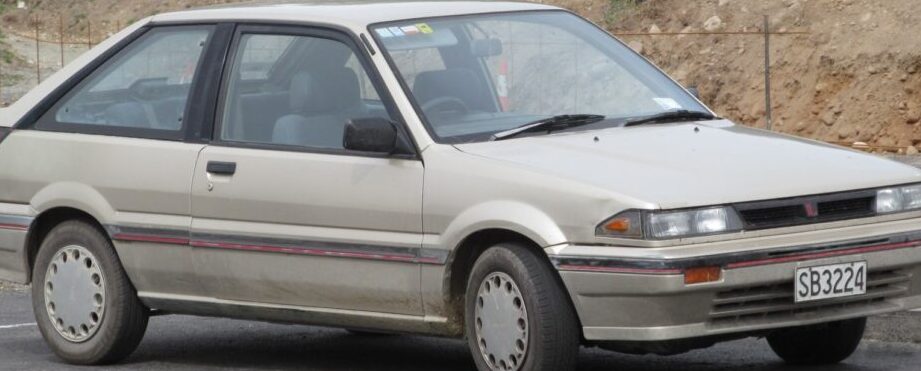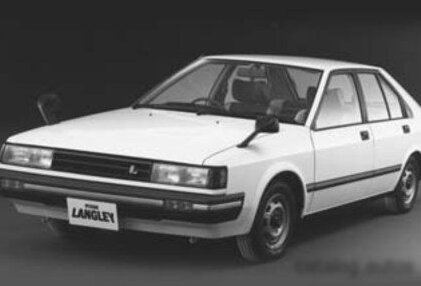
The Nissan Langley N12 1.5, produced between 1982 and 1986, represented a significant entry-level offering within Nissan’s lineup during that period. Part of the N12 series, the Langley was primarily marketed in Japan as a compact sedan, positioned below the larger Bluebird. This 1.5-liter, 95 horsepower variant served as the base model, offering economical transportation for a broad customer base. The N12 generation Langley aimed to provide a practical and reliable vehicle in a competitive segment, focusing on fuel efficiency and affordability. It was a key player in Nissan’s strategy to cater to the growing demand for smaller, more efficient vehicles in the early 1980s.
Technical Specifications
| Brand | Nissan |
| Model | Langley |
| Generation | Langley N12 |
| Type (Engine) | 1.5 (95 Hp) |
| Start of production | 1982 |
| End of production | 1986 |
| Powertrain Architecture | Internal Combustion engine |
| Body type | Sedan |
| Seats | 5 |
| Fuel Type | Petrol (Gasoline) |
| Weight-to-power ratio | 8.9 kg/Hp |
| Power | 95 Hp @ 6000 rpm |
| Power per litre | 63.9 Hp/l |
| Engine displacement | 1487 cm3 |
| Engine displacement (cu. in.) | 90.74 cu. in. |
| Engine aspiration | Naturally aspirated engine |
| Kerb Weight | 850 kg |
| Kerb Weight (lbs) | 1873.93 lbs |
| Length | 3975 mm |
| Length (in) | 156.5 in |
| Width | 1620 mm |
| Width (in) | 63.78 in |
| Height | 1390 mm |
| Height (in) | 54.72 in |
| Wheelbase | 2415 mm |
| Wheelbase (in) | 95.08 in |
Powertrain & Engine Architecture
The heart of the Langley N12 1.5 was the A15S engine, a 1.5-liter inline-four cylinder gasoline engine. This engine, while not particularly powerful, was known for its reliability and fuel efficiency. It featured a single overhead camshaft (SOHC) valvetrain, operating two valves per cylinder. Fuel delivery was managed by a carburetor, a common setup for vehicles of this era, rather than fuel injection. The A15S produced 95 horsepower at 6000 rpm and approximately 98 lb-ft of torque. The engine’s design prioritized durability and ease of maintenance over outright performance. The transmission paired with this engine was typically a three- or four-speed automatic, contributing to the Langley’s appeal as a comfortable and easy-to-drive vehicle. The automatic transmission was designed for smooth operation and was geared towards maximizing fuel economy rather than providing sporty acceleration.
Driving Characteristics
The 1.5-liter Langley N12 with the automatic transmission offered a decidedly unhurried driving experience. Acceleration was modest, with a 0-60 mph time estimated to be around 13-15 seconds. The automatic transmission, while providing convenience, did sap some of the engine’s limited power. Gear ratios were optimized for fuel economy, resulting in a relatively relaxed cruising speed. Compared to the available manual transmission, the automatic version felt noticeably slower. However, the Langley’s light weight (approximately 1874 lbs) helped to mitigate the power deficit to some extent. Handling was predictable and safe, but not particularly engaging. The suspension was tuned for comfort, absorbing bumps and imperfections in the road reasonably well. Overall, the driving experience was geared towards practicality and ease of use, making it a suitable vehicle for daily commuting and family transportation.
Equipment & Trim Levels
The base-model Langley N12 1.5 was typically equipped with fairly basic amenities. Standard features generally included cloth upholstery, a simple dashboard layout with analog gauges, and manual windows and door locks. Air conditioning was often an optional extra, as were features like a radio and upgraded interior trim. The interior design was functional and straightforward, prioritizing practicality over luxury. The exterior styling was conservative, reflecting the design trends of the early 1980s. Available colors typically included a range of solid and metallic shades. Higher trim levels, though less common with the 1.5-liter engine, could add features like power windows, central locking, and a more sophisticated audio system. The overall focus of the trim levels was to provide a balance between affordability and comfort.
Chassis & Braking
The Langley N12 utilized a relatively simple chassis design. It featured a front MacPherson strut suspension and a rear leaf spring suspension. This configuration provided a comfortable ride, but didn’t offer particularly sporty handling characteristics. The braking system consisted of front disc brakes and rear drum brakes, a common setup for vehicles in this class during the 1980s. The brakes were adequate for normal driving conditions, but lacked the stopping power of more modern braking systems. Steering was typically unassisted, requiring a bit more effort at low speeds. The overall chassis and braking setup were designed to provide safe and reliable operation without adding significant cost or complexity.
Market Reception & Comparison
The Nissan Langley N12 1.5 was generally well-received in the Japanese market as an affordable and reliable compact sedan. Critics praised its fuel efficiency and ease of driving, but noted its lack of performance. Compared to other vehicles in its class, such as the Toyota Corolla and Honda Civic, the Langley offered a competitive price point and a comfortable ride. However, it often lagged behind in terms of performance and features. The automatic transmission version, while popular with buyers seeking convenience, was often criticized for its sluggish acceleration. Fuel economy was a strong point, averaging around 30-35 mpg in real-world driving conditions. Reliability was also a key strength, with the A15S engine proving to be durable and long-lasting.
Legacy
The Nissan Langley N12 1.5, while not a particularly iconic vehicle, holds a place in automotive history as a representative of the compact, fuel-efficient cars that became popular in the 1980s. The A15S engine, in particular, gained a reputation for its reliability and longevity. Today, the Langley N12 is a relatively rare sight on the roads, but it remains a popular choice among classic car enthusiasts in Japan. The 1.5-liter automatic version is often considered a good entry point for those looking to experience a classic Japanese sedan. Parts availability can be a challenge, but the engine’s simplicity makes it relatively easy to maintain and repair. The Langley N12 1.5 serves as a reminder of a time when affordability, reliability, and fuel efficiency were the primary priorities for many car buyers.