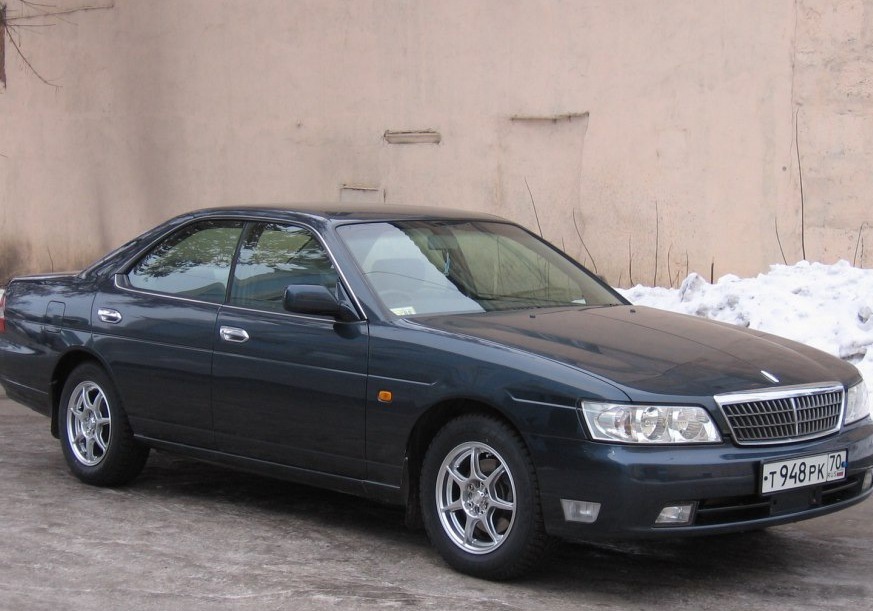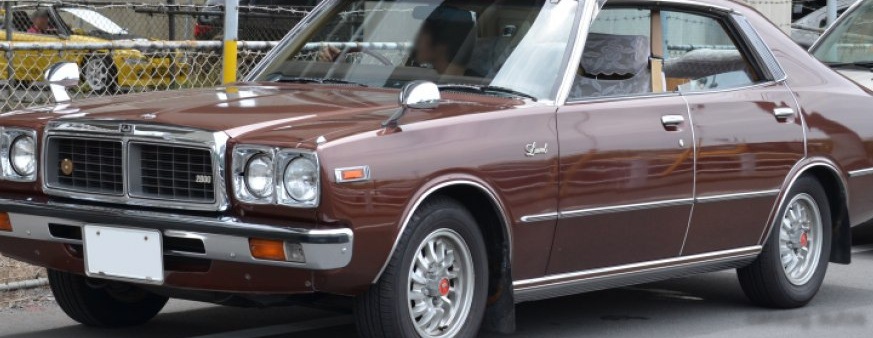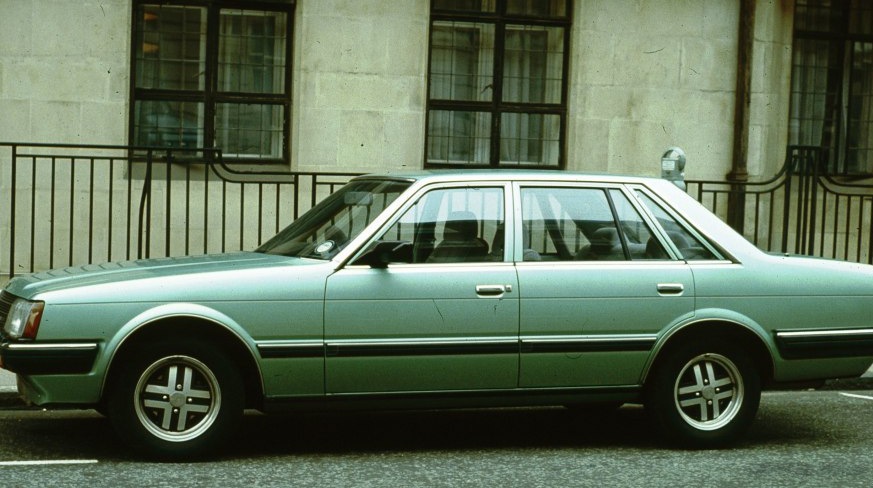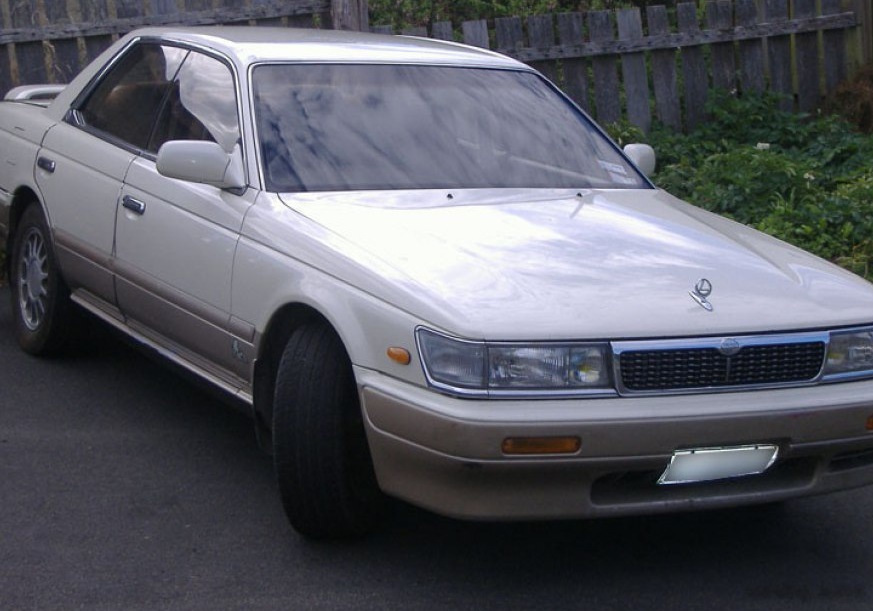
The Nissan Laurel E-HC33 2.0i (125 Hp) represents a significant iteration of Nissan’s long-running Laurel executive car, produced between 1990 and 1997. This generation, the ninth overall, was a popular choice in the Japanese domestic market (JDM) as a comfortable and stylish four-door sedan. The HC33 Laurel aimed to blend luxury with a sporty driving experience, appealing to a broad range of buyers. The 2.0i variant, equipped with a 125 horsepower engine and a four-speed automatic transmission, occupied a middle ground within the HC33 lineup, offering a balance between performance and affordability. It served as a stepping stone between the more basic models and the higher-performance, larger-displacement options.
Technical Specifications
| Brand | Nissan |
| Model | Laurel |
| Generation | Laurel (E-HC33) |
| Type (Engine) | 2.0 i (125 Hp) |
| Start of production | 1990 |
| End of production | 1997 |
| Powertrain Architecture | Internal Combustion engine |
| Body type | Sedan |
| Seats | 5 |
| Doors | 4 |
| Fuel consumption (combined) | 7.6 l/100 km (30.9 US mpg, 37.2 UK mpg, 13.2 km/l) |
| Fuel Type | Petrol (Gasoline) |
| Weight-to-power ratio | 10.6 kg/Hp, 94 Hp/tonne |
| Weight-to-torque ratio | 7.7 kg/Nm, 129.3 Nm/tonne |
| Power | 125 Hp @ 5600 rpm |
| Power per litre | 62.6 Hp/l |
| Torque | 172 Nm @ 4400 rpm (126.86 lb.-ft. @ 4400 rpm) |
| Engine layout | Front, Longitudinal |
| Engine displacement | 1998 cm3 (121.93 cu. in.) |
| Number of cylinders | 6 |
| Engine configuration | Inline |
| Cylinder Bore | 78 mm (3.07 in.) |
| Piston Stroke | 69.7 mm (2.74 in.) |
| Compression ratio | 9.5:1 |
| Number of valves per cylinder | 2 |
| Engine aspiration | Naturally aspirated engine |
| Valvetrain | OHC |
| Kerb Weight | 1330 kg (2932.15 lbs.) |
| Max. weight | 1605 kg (3538.42 lbs.) |
| Max load | 275 kg (606.27 lbs.) |
| Fuel tank capacity | 65 l (17.17 US gal | 14.3 UK gal) |
| Length | 4710 mm (185.43 in.) |
| Width | 1720 mm (67.72 in.) |
| Height | 1380 mm (54.33 in.) |
| Wheelbase | 2720 mm (107.09 in.) |
| Front track | 1460 mm (57.48 in.) |
| Rear (Back) track | 1470 mm (57.87 in.) |
| Drivetrain Architecture | The Internal combustion engine (ICE) drives the rear wheels of the vehicle. |
| Drive wheel | Rear wheel drive |
| Number of gears and type of gearbox | 4 gears, automatic transmission |
| Front suspension | Wishbone |
| Rear suspension | Coil spring |
| Front brakes | Ventilated discs |
| Rear brakes | Disc |
| Assisting systems | ABS (Anti-lock braking system) |
| Steering type | Steering rack and pinion |
| Power steering | Hydraulic Steering |
| Tires size | 185/70 R14 |
Powertrain & Engine Architecture
The heart of the Laurel 2.0i is Nissan’s inline-six cylinder engine, designated as the RB20E. This engine, a member of the renowned RB series, is a 1,998 cc (2.0-liter) naturally aspirated unit. The RB20E utilizes a single overhead camshaft (OHC) valvetrain operating two valves per cylinder. Fuel delivery is managed by a multi-point fuel injection system, contributing to improved efficiency and smoother operation compared to earlier carbureted designs. The engine’s 9.5:1 compression ratio strikes a balance between performance and fuel economy. The four-speed automatic transmission, a common choice for this trim level, was designed for comfortable cruising and ease of use. While not particularly sporty, it provided smooth shifts and adequate acceleration for everyday driving.
Driving Characteristics
The 2.0i automatic Laurel offered a comfortable and refined driving experience. With 125 horsepower and 172 Nm (126.86 lb-ft) of torque, acceleration was adequate but not brisk. The automatic transmission, while smooth, did detract from the overall responsiveness compared to the available five-speed manual option. The gear ratios were tuned for fuel efficiency and relaxed cruising, meaning the engine often felt strained during hard acceleration. Compared to the more powerful 2.4-liter and 3.0-liter variants, the 2.0i lacked the punch needed for spirited driving. However, it excelled in providing a smooth and quiet ride, making it well-suited for long commutes and highway journeys.
Equipment & Trim Levels
The 2.0i trim of the HC33 Laurel typically included features such as power windows, power steering, central locking, and an AM/FM radio. Higher trim levels offered upgrades like air conditioning, upgraded upholstery (often velour or cloth), and a more sophisticated sound system. The interior design was generally conservative and functional, prioritizing comfort and practicality. Optional extras included a sunroof, alloy wheels, and upgraded audio systems. The dashboard layout was straightforward, with clearly labeled controls and a focus on ease of use.
Chassis & Braking
The HC33 Laurel utilized a traditional rear-wheel-drive layout, contributing to its balanced handling characteristics. The front suspension employed a wishbone design, while the rear suspension featured coil springs. This setup provided a comfortable ride and predictable handling. The 2.0i variant typically came equipped with ventilated disc brakes at the front and solid disc brakes at the rear. Anti-lock braking system (ABS) was available, enhancing safety by preventing wheel lockup during hard braking. The steering system was a rack-and-pinion setup with hydraulic power assistance, providing light and precise steering feel.
Market Reception & Comparison
The Nissan Laurel E-HC33 2.0i was generally well-received in the Japanese market as a practical and comfortable family sedan. Critics praised its smooth ride, spacious interior, and reliable engine. However, some noted that the 2.0-liter engine lacked the performance of its larger-displacement siblings. Compared to the 2.4-liter (RB24E) and 3.0-liter (RB30E) models, the 2.0i offered better fuel economy but at the expense of outright power. The 1.8L models were considered entry-level, while the 2.0i offered a good balance of features and performance for the price. The Laurel competed with other Japanese sedans such as the Toyota Crown, Honda Inspire, and Mazda Sentia.
Legacy
The Nissan Laurel E-HC33 2.0i, while not the most sought-after variant, remains a popular choice among enthusiasts of classic Japanese cars. The RB20E engine is known for its durability and relatively simple maintenance requirements. Finding parts can be increasingly challenging, but a dedicated aftermarket and strong enthusiast community help to keep these cars on the road. Today, well-maintained examples of the HC33 Laurel 2.0i are appreciated for their classic styling, comfortable ride, and nostalgic appeal. The car represents a bygone era of Japanese automotive engineering, offering a unique blend of luxury, practicality, and reliability.