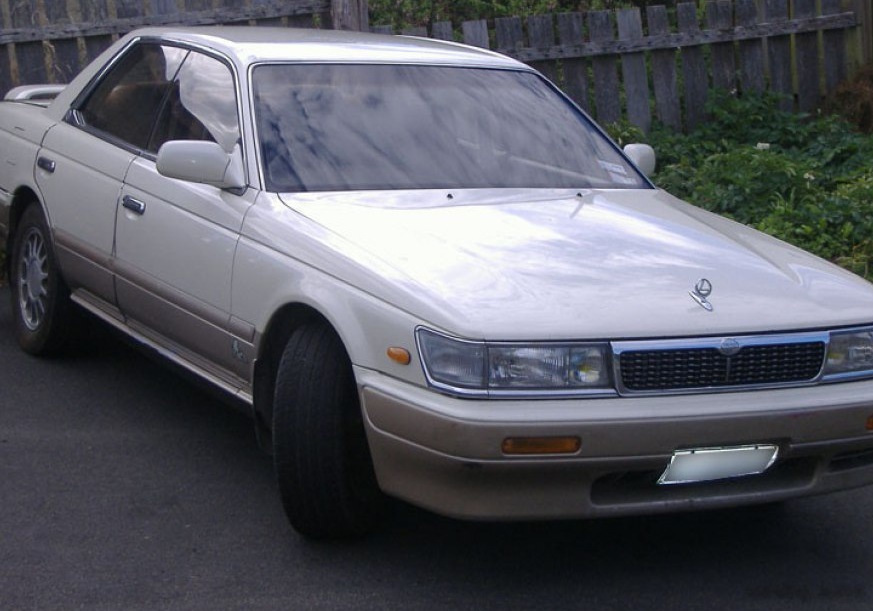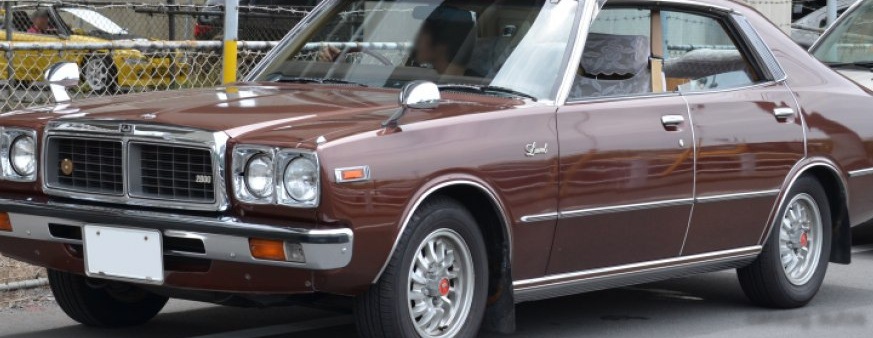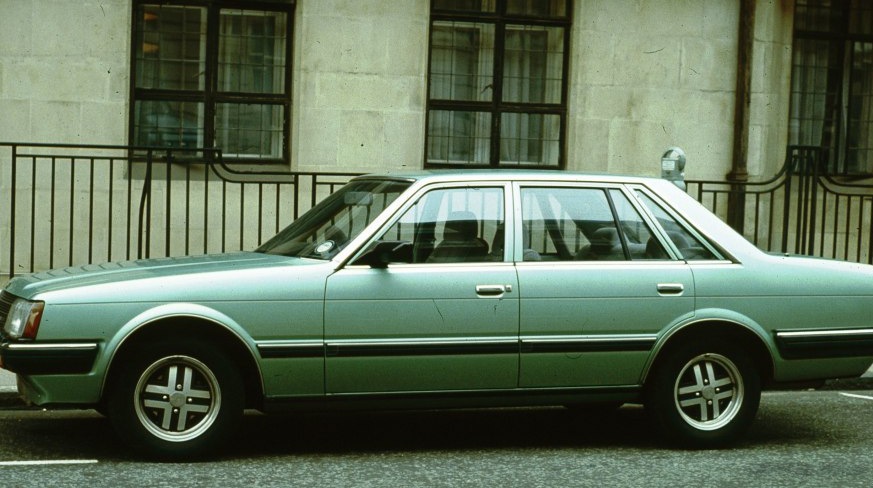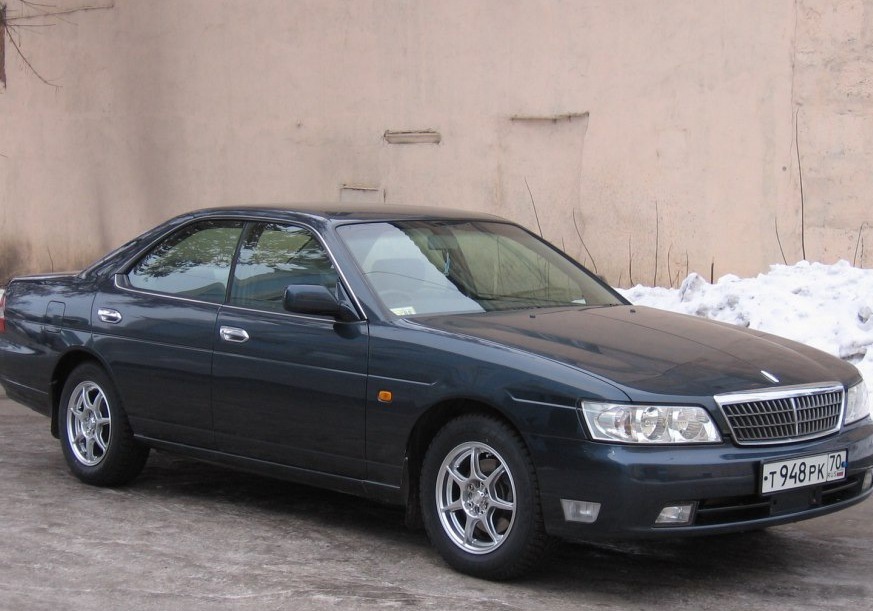
The Nissan Laurel, in its E-HC35/E-GC35 iteration produced between June 1997 and August 2002, represented a continuation of Nissan’s long-running executive car lineage. This generation, positioned as a comfortable and relatively affordable luxury sedan, primarily served the Japanese domestic market (JDM). While not officially exported to the United States, the Laurel found its way into other markets through grey import channels. The 2.0 24V (155 hp) variant, equipped with a four-speed automatic transmission, occupied a middle ground within the Laurel lineup, offering a balance between performance, fuel economy, and price. It was positioned below the more powerful 2.5-liter V6 models and above the smaller displacement engines.
Technical Specifications
| Brand | Nissan |
| Model | Laurel |
| Generation | Laurel (E-HC35/E-GC35) |
| Type (Engine) | 2.0 24V (155 Hp) |
| Start of production | June, 1997 |
| End of production | August, 2002 |
| Powertrain Architecture | Internal Combustion engine |
| Body type | Sedan |
| Seats | 5 |
| Doors | 4 |
| Fuel consumption (urban) | 13 l/100 km (18.1 US mpg, 21.7 UK mpg, 7.7 km/l) |
| Fuel consumption (extra urban) | 8 l/100 km (29.4 US mpg, 35.3 UK mpg, 12.5 km/l) |
| Fuel Type | Petrol (Gasoline) |
| Maximum speed | 190 km/h (118.06 mph) |
| Weight-to-power ratio | 9 kg/Hp, 111.5 Hp/tonne |
| Weight-to-torque ratio | 7.5 kg/Nm, 133.8 Nm/tonne |
| Power | 155 Hp @ 6400 rpm |
| Power per litre | 77.6 Hp/l |
| Torque | 186 Nm @ 4400 rpm (137.19 lb.-ft. @ 4400 rpm) |
| Engine layout | Front, Longitudinal |
| Engine displacement | 1998 cm3 (121.93 cu. in.) |
| Number of cylinders | 6 |
| Engine configuration | Inline |
| Cylinder Bore | 78 mm (3.07 in.) |
| Piston Stroke | 69.7 mm (2.74 in.) |
| Compression ratio | 9.5:1 |
| Number of valves per cylinder | 4 |
| Fuel injection system | Multi-port manifold injection |
| Engine aspiration | Naturally aspirated engine |
| Valvetrain | DOHC |
| Kerb Weight | 1390 kg (3064.43 lbs.) |
| Trunk (boot) space – minimum | 460 l (16.24 cu. ft.) |
| Fuel tank capacity | 65 l (17.17 US gal | 14.3 UK gal) |
| Length | 4765 mm (187.6 in.) |
| Width | 1730 mm (68.11 in.) |
| Height | 1400 mm (55.12 in.) |
| Wheelbase | 2720 mm (107.09 in.) |
| Front track | 1460 mm (57.48 in.) |
| Rear (Back) track | 1470 mm (57.87 in.) |
| Drivetrain Architecture | The Internal combustion engine (ICE) drives the rear wheels of the vehicle. |
| Drive wheel | Rear wheel drive |
| Number of gears and type of gearbox | 4 gears, automatic transmission |
| Front suspension | Spring Strut |
| Rear suspension | Coil spring |
| Front brakes | Ventilated discs |
| Rear brakes | Disc |
| Assisting systems | ABS (Anti-lock braking system) |
| Steering type | Steering rack and pinion |
| Power steering | Hydraulic Steering |
| Tires size | 195/65 R15 |
Powertrain & Engine Architecture
The heart of this Laurel variant is the Nissan KA24DE engine, a 2.0-liter inline-six cylinder powerplant. This engine, a member of the KA family, utilizes a double overhead camshaft (DOHC) valvetrain with four valves per cylinder, contributing to its relatively high specific output for a naturally aspirated engine of its era. Fuel delivery is managed by a multi-port fuel injection system, ensuring precise fuel metering for optimal combustion. The KA24DE is known for its durability and relatively simple design, making it a reasonably reliable engine. The four-speed automatic transmission, while not offering the most modern gear ratios, was chosen for its smoothness and ease of use, aligning with the Laurel’s comfort-oriented character. It’s a conventional hydraulic automatic, lacking the electronic controls found in later transmissions.
Driving Characteristics
The 155 hp and 137 lb-ft of torque produced by the KA24DE, when paired with the four-speed automatic, resulted in a driving experience focused on relaxed cruising rather than spirited performance. Acceleration was adequate for everyday driving, but noticeably slower than the V6-powered Laurel models. The automatic transmission’s gear ratios were spaced to prioritize fuel efficiency and smooth shifts, sometimes at the expense of responsiveness. While the rear-wheel-drive configuration provided a balanced feel, the relatively soft suspension tuning and power steering contributed to a somewhat detached driving experience. Compared to a manual transmission equipped Laurel, this variant felt less engaging and offered less control.
Equipment & Trim Levels
The 2.0 24V automatic Laurel typically came equipped with a respectable level of standard features for its time. These included power windows, power locks, air conditioning, and a basic audio system. Interior upholstery was generally cloth, although leather options were available as upgrades. The dashboard layout was functional and straightforward, prioritizing ease of use over flashy design. Optional extras could include a sunroof, upgraded audio systems, and alloy wheels. The trim level often dictated the availability of these features, with higher trims offering more luxurious appointments.
Chassis & Braking
The E-HC35/E-GC35 Laurel utilized a conventional chassis layout with a MacPherson strut front suspension and a coil spring rear suspension. The suspension was tuned for comfort, providing a smooth ride over most road surfaces. Braking duties were handled by ventilated discs at the front and solid discs at the rear. An Anti-lock Braking System (ABS) was standard, enhancing safety by preventing wheel lockup during hard braking. The steering system employed a hydraulic rack and pinion setup, offering light and easy steering feel.
Market Reception & Comparison
The 2.0 24V automatic Laurel was generally well-received in the Japanese market as a comfortable and reliable family sedan. Critics praised its smooth ride and spacious interior, but noted its lack of sporting pretensions. Compared to the more powerful 2.5-liter V6 models, the 2.0-liter offered lower running costs and better fuel economy, making it an attractive option for budget-conscious buyers. However, the V6 models provided significantly more performance and a more engaging driving experience. The 1.8-liter engine options offered even better fuel economy but at the cost of even less power. The automatic transmission, while convenient, was often criticized for its lack of responsiveness compared to the available manual transmission.
Legacy
The Nissan Laurel E-HC35/E-GC35, particularly the 2.0 24V automatic variant, has developed a modest following among enthusiasts, especially those interested in JDM cars. The KA24DE engine is known for its durability and relative simplicity, making it a relatively easy engine to maintain. However, finding parts can be challenging outside of Japan. Today, these Laurels are often sought after as affordable and comfortable classic cars, offering a unique glimpse into the Japanese automotive landscape of the late 1990s and early 2000s. While not a performance icon, the 2.0 24V automatic Laurel represents a well-rounded and reliable option for those seeking a comfortable and stylish sedan.