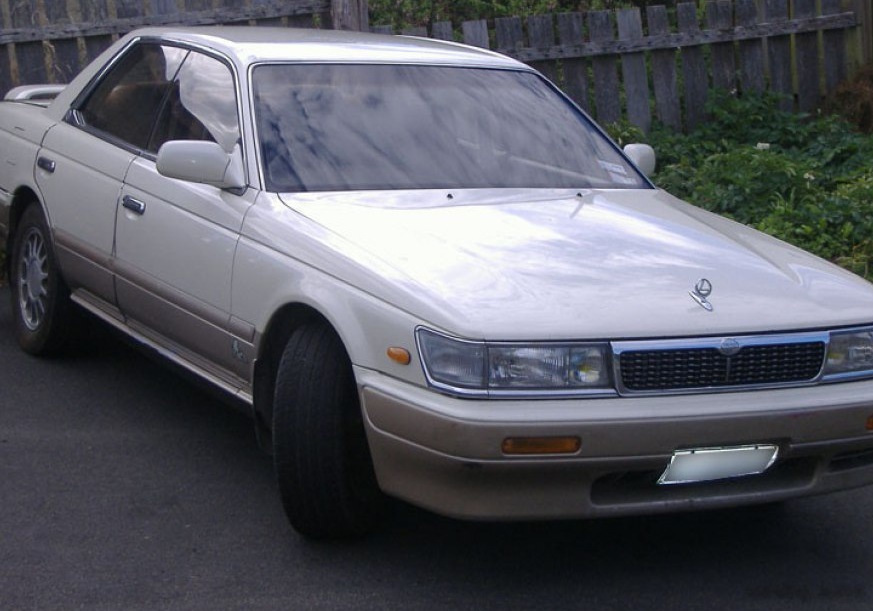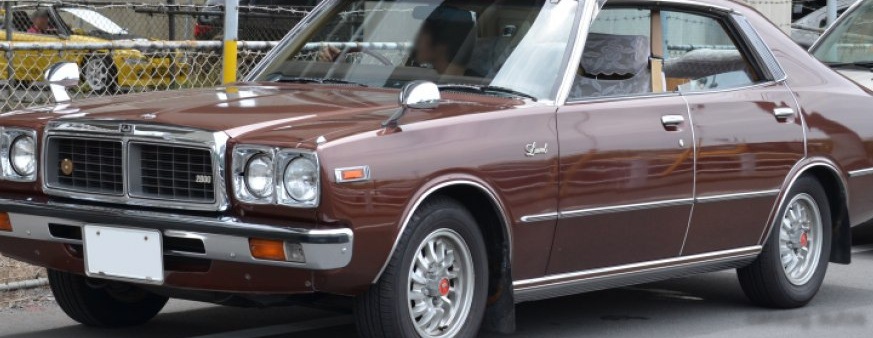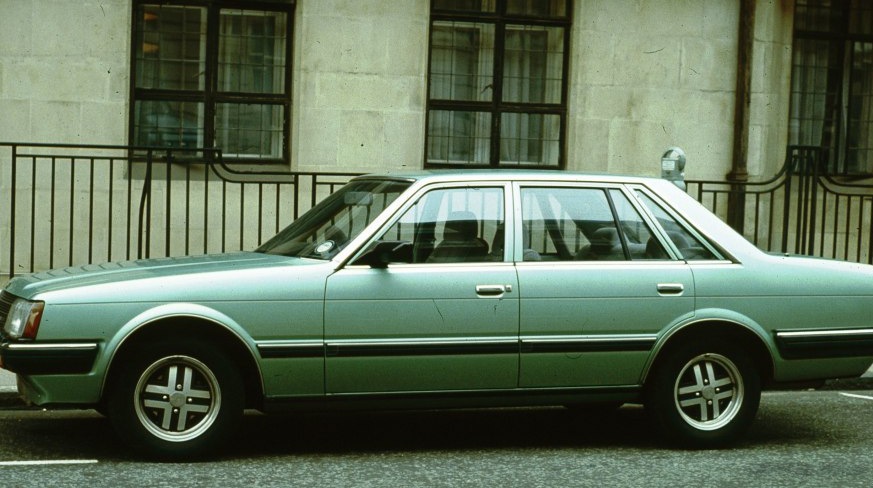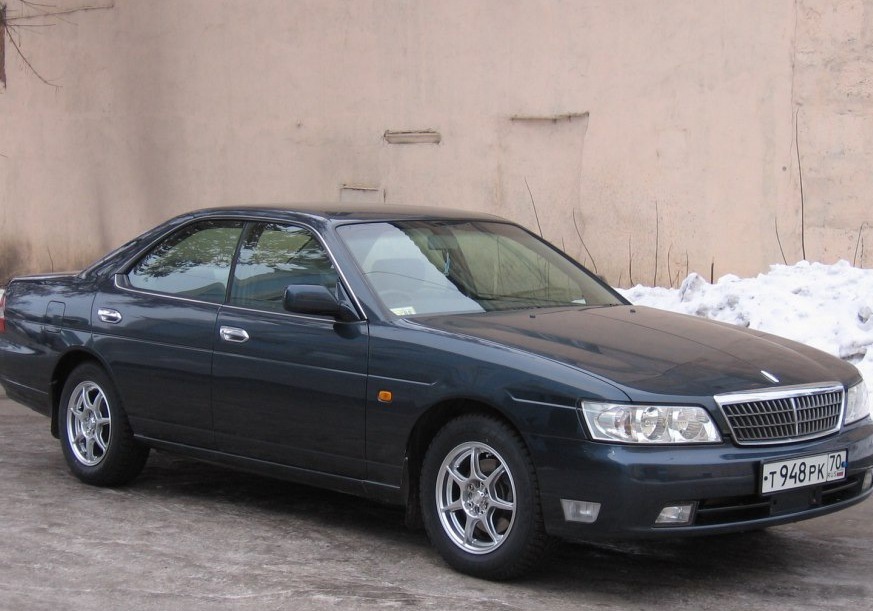
The Nissan Laurel, in its E-HC35/E-GC35 iteration, represents a significant chapter in Nissan’s history of comfortable, yet subtly sporty, sedans. Produced from June 1997 to August 2002, this generation of the Laurel aimed to blend traditional Japanese luxury with a more contemporary design aesthetic. The 2.5 24V variant, boasting 200 horsepower, occupied a middle ground within the Laurel lineup, offering a balance between performance and fuel efficiency. It was positioned above the base models, but below the more performance-oriented or luxuriously appointed trims. This model was primarily marketed within Japan, catering to a demographic seeking a refined driving experience and a prestigious image.
Technical Specifications
| Brand | Nissan |
| Model | Laurel |
| Generation | Laurel (E-HC35/E-GC35) |
| Type (Engine) | 2.5 24V (200 Hp) |
| Start of production | June, 1997 |
| End of production | August, 2002 |
| Powertrain Architecture | Internal Combustion engine |
| Body type | Sedan |
| Seats | 5 |
| Doors | 4 |
| Fuel consumption (urban) | 16 l/100 km (14.7 US mpg, 17.7 UK mpg, 6.3 km/l) |
| Fuel consumption (extra urban) | 9 l/100 km (26.1 US mpg, 31.4 UK mpg, 11.1 km/l) |
| Fuel Type | Petrol (Gasoline) |
| Maximum speed | 210 km/h (130.49 mph) |
| Weight-to-power ratio | 7.6 kg/Hp, 131.6 Hp/tonne |
| Weight-to-torque ratio | 6 kg/Nm, 167.8 Nm/tonne |
| Power | 200 Hp @ 6000 rpm |
| Power per litre | 80 Hp/l |
| Torque | 255 Nm @ 4000 rpm (188.08 lb.-ft. @ 4000 rpm) |
| Engine layout | Front, Longitudinal |
| Engine displacement | 2499 cm3 (152.5 cu. in.) |
| Number of cylinders | 6 |
| Engine configuration | Inline |
| Cylinder Bore | 86 mm (3.39 in.) |
| Piston Stroke | 71.7 mm (2.82 in.) |
| Compression ratio | 10:1 |
| Number of valves per cylinder | 4 |
| Fuel injection system | Multi-port manifold injection |
| Engine aspiration | Naturally aspirated engine |
| Valvetrain | DOHC |
| Kerb Weight | 1520 kg (3351.03 lbs.) |
| Trunk (boot) space – minimum | 460 l (16.24 cu. ft.) |
| Fuel tank capacity | 65 l (17.17 US gal | 14.3 UK gal) |
| Length | 4765 mm (187.6 in.) |
| Width | 1730 mm (68.11 in.) |
| Height | 1400 mm (55.12 in.) |
| Wheelbase | 2720 mm (107.09 in.) |
| Front track | 1460 mm (57.48 in.) |
| Rear (Back) track | 1470 mm (57.87 in.) |
| Drivetrain Architecture | The Internal combustion engine (ICE) drives the rear wheels of the vehicle. |
| Drive wheel | Rear wheel drive |
| Number of gears and type of gearbox | 4 gears, automatic transmission |
| Front suspension | Spring Strut |
| Rear suspension | Coil spring |
| Front brakes | Ventilated discs |
| Rear brakes | Disc |
| Assisting systems | ABS (Anti-lock braking system) |
| Steering type | Steering rack and pinion |
| Power steering | Hydraulic Steering |
| Tires size | 195/65 R15 |
Powertrain & Engine Architecture
The heart of the E-HC35/E-GC35 2.5 was the RB25DE engine, a 2.5-liter inline-six cylinder powerplant. This engine, a descendant of Nissan’s renowned RB series, featured a double overhead camshaft (DOHC) valvetrain and multi-port fuel injection. The RB25DE was known for its smooth power delivery and relative reliability. The 24 valves (four per cylinder) contributed to its respectable output for a naturally aspirated engine of its time. The automatic transmission paired with this engine was a four-speed unit, designed for comfortable cruising rather than aggressive performance. While not a particularly advanced transmission by modern standards, it was well-suited to the Laurel’s intended role as a refined and comfortable grand tourer. The engine’s longitudinal mounting and rear-wheel-drive configuration were hallmarks of traditional Japanese sports sedans.
Driving Characteristics
The 200 horsepower and 188 lb-ft of torque offered by the 2.5L engine provided adequate, though not exhilarating, performance. Acceleration was smooth and linear, with the automatic transmission prioritizing comfort over rapid shifts. Compared to the more powerful variants, or even the manual transmission options, this configuration felt less urgent. However, it excelled in providing a relaxed and refined driving experience, particularly on highways. The four-speed automatic’s gear ratios were geared towards fuel efficiency and comfortable cruising, rather than maximizing acceleration. The rear-wheel-drive layout contributed to balanced handling, but the relatively soft suspension tuning prioritized ride comfort over sporty handling.
Equipment & Trim Levels
The 2.5 24V Laurel typically came equipped with features considered standard for a mid-range Japanese sedan of the late 1990s and early 2000s. This included power windows, power locks, air conditioning, and a basic audio system. Higher trim levels offered upgrades such as leather upholstery, woodgrain interior trim, and more advanced audio systems. Optional extras could include a sunroof, navigation system (a relatively new technology at the time), and upgraded wheels. The interior design was generally conservative and focused on providing a comfortable and spacious environment for both driver and passengers.
Chassis & Braking
The E-HC35/E-GC35 Laurel utilized a traditional body-on-frame construction, contributing to its robust feel. The front suspension employed a MacPherson strut setup, while the rear featured a multi-link coil spring arrangement. Braking duties were handled by ventilated discs at the front and solid discs at the rear. Anti-lock braking system (ABS) was standard, enhancing safety. The suspension tuning was geared towards providing a comfortable ride, with a focus on absorbing bumps and minimizing body roll. Stabilizer bars were present at both the front and rear, helping to improve handling stability.
Market Reception & Comparison
The Nissan Laurel 2.5 24V was generally well-received in the Japanese market as a comfortable and reliable sedan. Critics praised its smooth engine, refined ride, and spacious interior. However, it was often seen as lacking the sporty character of some of its competitors, such as the Toyota Chaser or Mazda Lumina. Fuel economy was considered average for its class. Compared to other Laurel trims, the 2.5L automatic offered a more accessible price point, making it appealing to a wider range of buyers. The more powerful variants, while offering superior performance, came at a significant premium.
Legacy
The RB25DE engine, while not without its potential maintenance needs (particularly regarding timing belt replacement), has proven to be a relatively durable and long-lasting powerplant. Today, the E-HC35/E-GC35 Laurel is gaining a following among enthusiasts who appreciate its classic Japanese styling and rear-wheel-drive configuration. The 2.5 24V variant, while not the most sought-after trim, remains a viable option for those seeking a comfortable and reliable classic sedan. Parts availability can be a challenge outside of Japan, but a dedicated community of owners and enthusiasts helps to keep these cars on the road.